5 Steps to Secure a Credit Card Despite a Challenged Credit History
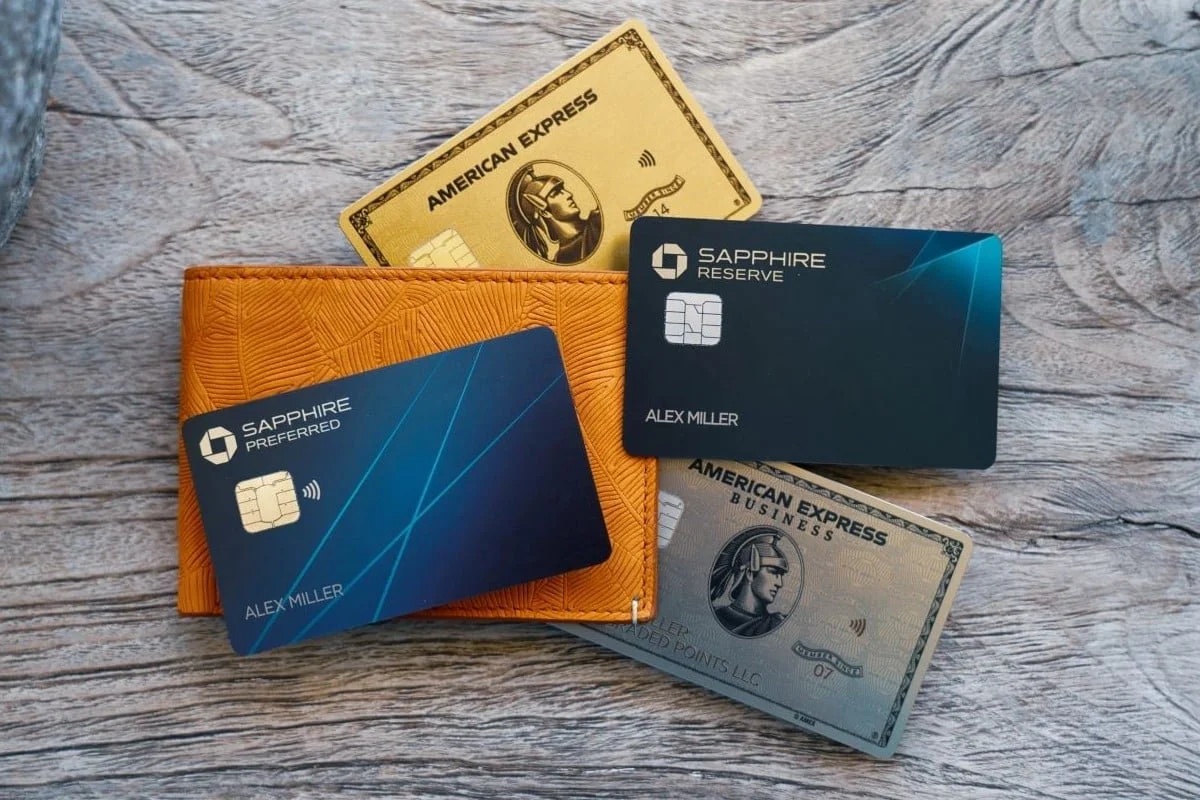
If you have bad credit and are looking to obtain a credit card, the process can seem overwhelming. You might feel uncertain about how to navigate your current financial situation. However, there are five actionable steps you can take to secure a credit card that not only minimizes fees and interest rates but also helps you establish yourself as a responsible borrower.
In this article, we will explore the importance of understanding your credit score, the benefits of secured and pre-paid cards, opportunities for credit building, the significance of checking for fees and rates, and the essentials of managing your credit responsibly.
Understand Your Credit Score
The first step in obtaining a credit card with bad credit is to understand your credit score. Knowing your score can help you assess whether it’s feasible to apply for a card and which type might suit your needs best.
It’s crucial to remember that you don’t need a stellar credit score to qualify for a card. Many individuals with poor credit have successfully obtained cards by being informed about their options and taking the right steps. Additionally, checking your credit report for inaccuracies and correcting them before applying can significantly enhance your chances of approval.
Consider Secured Cards Or Pre-Paid Cards
For those with bad credit, secured cards and pre-paid cards are viable options. A secured card operates like a traditional credit card but requires an upfront deposit that serves as collateral against your debt. This type of card can help you build your credit score while allowing you to make purchases just like any other credit card.
On the other hand, pre-paid cards do not require an upfront deposit and do not impact your credit score. They function similarly to debit cards, allowing you to spend only what you have loaded onto the card. Both secured and pre-paid cards can be effective tools for improving your credit over time when used responsibly.
Check For Fees And Rates
When exploring credit card options for individuals with bad credit, it’s essential to scrutinize any associated fees and interest rates. Many cards designed for those with poor credit come with higher costs than traditional cards.
Make sure to read the fine print of any offers carefully to understand the charges you may incur. This will enable you to compare different cards effectively. Additionally, many major issuers provide online calculators to help you estimate how much interest your balance will accumulate over time.
Manage Your Credit Responsibly
Managing your credit responsibly is crucial when trying to secure a credit card with bad credit. Timely bill payments, avoiding overspending, and regularly monitoring your credit are essential practices for maintaining a healthy credit score.
Establishing a positive payment history by making small purchases and paying them off in full and on time is vital for maintaining good standing with creditors. By following these steps, you can work towards financial stability and improve your chances of obtaining a credit card, even with bad credit.
If you have bad credit and are looking to obtain a credit card, the process can seem overwhelming. You might feel uncertain about how to navigate your current financial situation. However, there are five actionable steps you can take to secure a credit card that not only minimizes fees and interest rates but also helps you establish yourself as a responsible borrower.
In this article, we will explore the importance of understanding your credit score, the benefits of secured and pre-paid cards, opportunities for credit building, the significance of checking for fees and rates, and the essentials of managing your credit responsibly.
Understand Your Credit Score
The first step in obtaining a credit card with bad credit is to understand your credit score. Knowing your score can help you assess whether it’s feasible to apply for a card and which type might suit your needs best.
It’s crucial to remember that you don’t need a stellar credit score to qualify for a card. Many individuals with poor credit have successfully obtained cards by being informed about their options and taking the right steps. Additionally, checking your credit report for inaccuracies and correcting them before applying can significantly enhance your chances of approval.
Consider Secured Cards Or Pre-Paid Cards
For those with bad credit, secured cards and pre-paid cards are viable options. A secured card operates like a traditional credit card but requires an upfront deposit that serves as collateral against your debt. This type of card can help you build your credit score while allowing you to make purchases just like any other credit card.
On the other hand, pre-paid cards do not require an upfront deposit and do not impact your credit score. They function similarly to debit cards, allowing you to spend only what you have loaded onto the card. Both secured and pre-paid cards can be effective tools for improving your credit over time when used responsibly.
Check For Fees And Rates
When exploring credit card options for individuals with bad credit, it’s essential to scrutinize any associated fees and interest rates. Many cards designed for those with poor credit come with higher costs than traditional cards.
Make sure to read the fine print of any offers carefully to understand the charges you may incur. This will enable you to compare different cards effectively. Additionally, many major issuers provide online calculators to help you estimate how much interest your balance will accumulate over time.
Manage Your Credit Responsibly
Managing your credit responsibly is crucial when trying to secure a credit card with bad credit. Timely bill payments, avoiding overspending, and regularly monitoring your credit are essential practices for maintaining a healthy credit score.
Establishing a positive payment history by making small purchases and paying them off in full and on time is vital for maintaining good standing with creditors. By following these steps, you can work towards financial stability and improve your chances of obtaining a credit card, even with bad credit.