Judge in Nursing Home Bankruptcy Case Gives Families Fresh Hope of Compensation for Injuries, Deaths
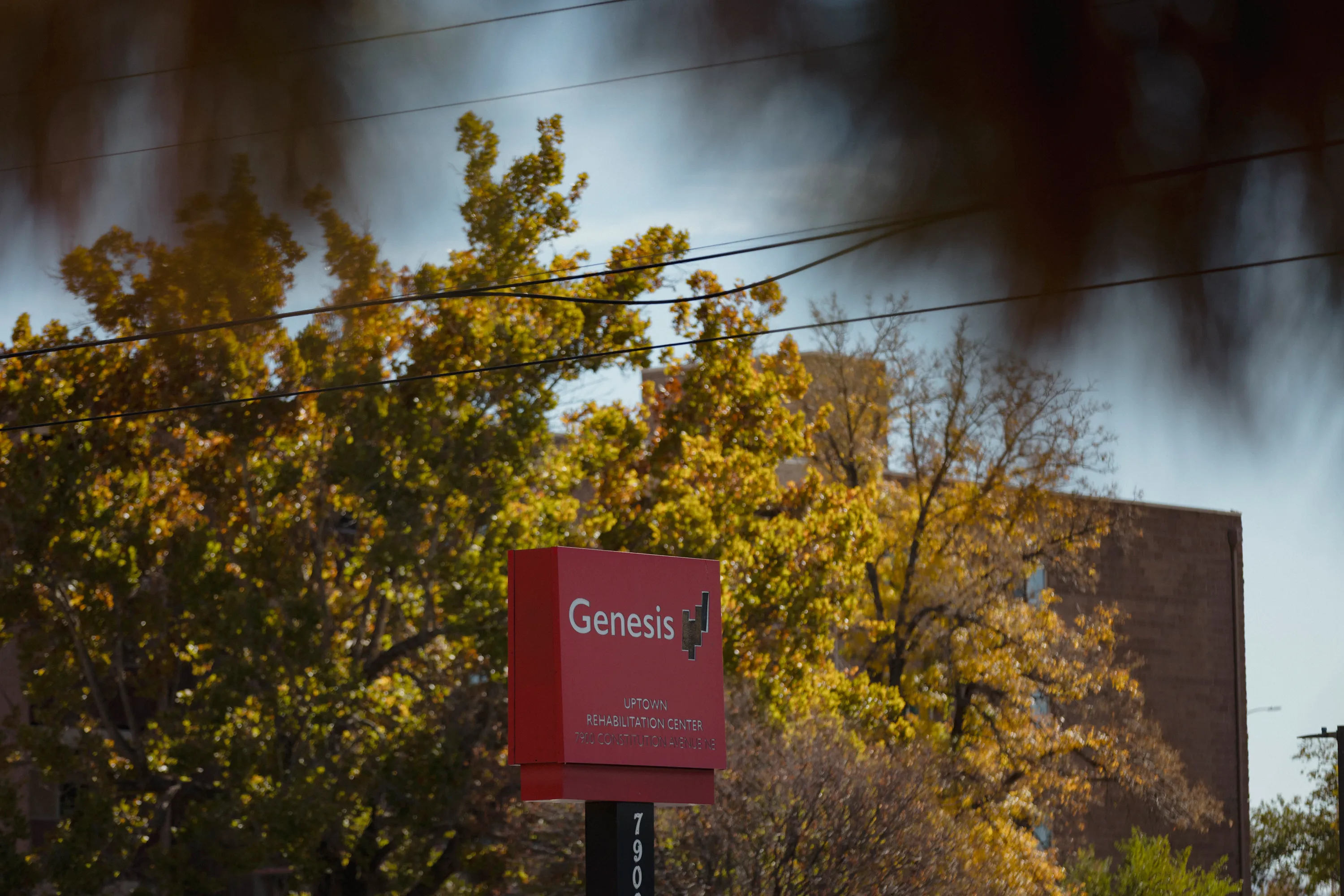
A bankruptcy judge has recently blocked an attempt by the primary investor of a nursing home chain to shield himself from settlement payments and liability in lawsuits alleging numerous patient injuries and deaths. This ruling has encouraged those pursuing millions in damages against the company.
Genesis HealthCare, once the largest nursing home chain in the United States, filed for Chapter 11 reorganization bankruptcy in July. The company proposed a plan that would protect its controlling investor, Joel Landau, from legal liability. In its court filings, Genesis estimated that resolving nearly a thousand settled and pending cases would cost approximately $259 million.
KFF Health News reported this month that prior to filing for bankruptcy, Genesis had settled at least 155 lawsuits related to patient injuries and deaths. These settlements included provisions that allowed the company to delay payments, sometimes for over a year. Consequently, when Genesis filed for bankruptcy, it still owed $41 million out of the $58 million promised in those settlements, according to bankruptcy and case records reviewed by KFF Health News.
During hearings in U.S. Bankruptcy Court in Dallas, Judge Stacey G.C. Jernigan stated that she would not approve a sale of the company’s assets that included legal releases from liability for Landau and his private equity associate, David Gefner. Notably, Landau did not attend the bankruptcy hearings or respond to a subpoena, as indicated by lawyers in court.
“I’m very encouraged that someone is watching and paying attention to this,” said Erin Pearson, whose father, James Sanderson, died in 2018 after spending less than a month in a Genesis facility in Albuquerque. “The guy who owns the most shares not only didn’t show up but doesn’t just get to move things around and rebuy” the nursing homes.
According to Pearson’s lawsuit, filed in 2019, Sanderson developed a bowel obstruction and sepsis while at the facility but was not sent to the hospital for over a week. Genesis did not pay Pearson the $500,000 it had agreed to in a settlement, as stated in her claim filed in bankruptcy court. “I don’t know if I’ll ever see that settlement, but I would like to be hopeful,” Pearson remarked in a recent interview.
Genesis, Landau, Gefner, and their attorneys did not respond to requests for comment. However, in a public statement last week, David Harrington, the executive chairman of Genesis’ board of directors, praised Landau’s investment, claiming it helped the company avoid bankruptcy in 2021. This “lifeline,” he asserted, allowed Genesis to transform into a “nimble, market-based model dedicated to prioritizing resident and patient care.”
Ian Norris, representing 19 clients with lawsuits against Genesis—including four who have not received their settlements—described the judge’s ruling as “a huge win for all those who were confronting the possibility that they would not be able to recover the settlements promised to them by Genesis prior to the bankruptcy.”
Genesis’ bankruptcy filings indicate that the company owes over $1.6 billion in unpaid claims, which include not only claims from former residents and their families but also from a pension fund, contractors providing health services, and various state taxes. Daniel Simon, a lawyer for Genesis’ owners, stated in court that $155 million would be available from the sale proceeds for these creditors under a bid from a new company controlled by Landau and Gefner.
Last month, Genesis held an auction for its assets, announcing that Landau’s bid was the best. However, the U.S. Trustee’s Office and creditors objected, claiming Genesis had unfairly excluded certain bidders and downplayed the value of another bid that would have provided more funds to creditors. Judge Jernigan noted that there were too many irregularities in the auction to approve it and ordered a redo under the supervision of the U.S. Trustee’s Office.
“I am aware that there is huge concern about Mr. Landau, and he is not here,” Jernigan stated. “There is no way I can approve these releases without him on the witness stand and me being convinced of his good faith.”
Senator Elizabeth Warren (D-Mass.), along with two Senate colleagues, filed an amicus brief questioning the auction’s fairness. In a media statement, she remarked, “A private equity company tried to abuse the bankruptcy system to slither out of paying what they owe to neglected seniors in its nursing homes. This is a textbook case of why we need to get private equity out of health care altogether, and this decision is a good step forward in the fight to deliver relief for the victims of Genesis.”
During the Dec. 17 hearing, representatives of the company controlled by Landau and Gefner indicated they would bid again for the remains of Genesis without the promise of liability releases. The auction is expected to take place in January. Simon, the lawyer for Genesis, commented that the judge’s ruling “has humbled us.”
Lawyers representing former and current Genesis residents expressed their intent to sue Landau and other parties responsible for the company’s bankruptcy. John Anthony, a Tampa attorney representing 341 claimants, stated, “The victims believe that Mr. Landau richly deserves his day in court, so he can explain to a jury of his peers how he has apparently gotten so rich running all these supposedly insolvent facilities into the ground.”
A bankruptcy judge has recently blocked an attempt by the primary investor of a nursing home chain to shield himself from settlement payments and liability in lawsuits alleging numerous patient injuries and deaths. This ruling has encouraged those pursuing millions in damages against the company.
Genesis HealthCare, once the largest nursing home chain in the United States, filed for Chapter 11 reorganization bankruptcy in July. The company proposed a plan that would protect its controlling investor, Joel Landau, from legal liability. In its court filings, Genesis estimated that resolving nearly a thousand settled and pending cases would cost approximately $259 million.
KFF Health News reported this month that prior to filing for bankruptcy, Genesis had settled at least 155 lawsuits related to patient injuries and deaths. These settlements included provisions that allowed the company to delay payments, sometimes for over a year. Consequently, when Genesis filed for bankruptcy, it still owed $41 million out of the $58 million promised in those settlements, according to bankruptcy and case records reviewed by KFF Health News.
During hearings in U.S. Bankruptcy Court in Dallas, Judge Stacey G.C. Jernigan stated that she would not approve a sale of the company’s assets that included legal releases from liability for Landau and his private equity associate, David Gefner. Notably, Landau did not attend the bankruptcy hearings or respond to a subpoena, as indicated by lawyers in court.
“I’m very encouraged that someone is watching and paying attention to this,” said Erin Pearson, whose father, James Sanderson, died in 2018 after spending less than a month in a Genesis facility in Albuquerque. “The guy who owns the most shares not only didn’t show up but doesn’t just get to move things around and rebuy” the nursing homes.
According to Pearson’s lawsuit, filed in 2019, Sanderson developed a bowel obstruction and sepsis while at the facility but was not sent to the hospital for over a week. Genesis did not pay Pearson the $500,000 it had agreed to in a settlement, as stated in her claim filed in bankruptcy court. “I don’t know if I’ll ever see that settlement, but I would like to be hopeful,” Pearson remarked in a recent interview.
Genesis, Landau, Gefner, and their attorneys did not respond to requests for comment. However, in a public statement last week, David Harrington, the executive chairman of Genesis’ board of directors, praised Landau’s investment, claiming it helped the company avoid bankruptcy in 2021. This “lifeline,” he asserted, allowed Genesis to transform into a “nimble, market-based model dedicated to prioritizing resident and patient care.”
Ian Norris, representing 19 clients with lawsuits against Genesis—including four who have not received their settlements—described the judge’s ruling as “a huge win for all those who were confronting the possibility that they would not be able to recover the settlements promised to them by Genesis prior to the bankruptcy.”
Genesis’ bankruptcy filings indicate that the company owes over $1.6 billion in unpaid claims, which include not only claims from former residents and their families but also from a pension fund, contractors providing health services, and various state taxes. Daniel Simon, a lawyer for Genesis’ owners, stated in court that $155 million would be available from the sale proceeds for these creditors under a bid from a new company controlled by Landau and Gefner.
Last month, Genesis held an auction for its assets, announcing that Landau’s bid was the best. However, the U.S. Trustee’s Office and creditors objected, claiming Genesis had unfairly excluded certain bidders and downplayed the value of another bid that would have provided more funds to creditors. Judge Jernigan noted that there were too many irregularities in the auction to approve it and ordered a redo under the supervision of the U.S. Trustee’s Office.
“I am aware that there is huge concern about Mr. Landau, and he is not here,” Jernigan stated. “There is no way I can approve these releases without him on the witness stand and me being convinced of his good faith.”
Senator Elizabeth Warren (D-Mass.), along with two Senate colleagues, filed an amicus brief questioning the auction’s fairness. In a media statement, she remarked, “A private equity company tried to abuse the bankruptcy system to slither out of paying what they owe to neglected seniors in its nursing homes. This is a textbook case of why we need to get private equity out of health care altogether, and this decision is a good step forward in the fight to deliver relief for the victims of Genesis.”
During the Dec. 17 hearing, representatives of the company controlled by Landau and Gefner indicated they would bid again for the remains of Genesis without the promise of liability releases. The auction is expected to take place in January. Simon, the lawyer for Genesis, commented that the judge’s ruling “has humbled us.”
Lawyers representing former and current Genesis residents expressed their intent to sue Landau and other parties responsible for the company’s bankruptcy. John Anthony, a Tampa attorney representing 341 claimants, stated, “The victims believe that Mr. Landau richly deserves his day in court, so he can explain to a jury of his peers how he has apparently gotten so rich running all these supposedly insolvent facilities into the ground.”