AccuWeather Reports Blizzard Inflicted Up to $38 Billion in Damage and Economic Loss

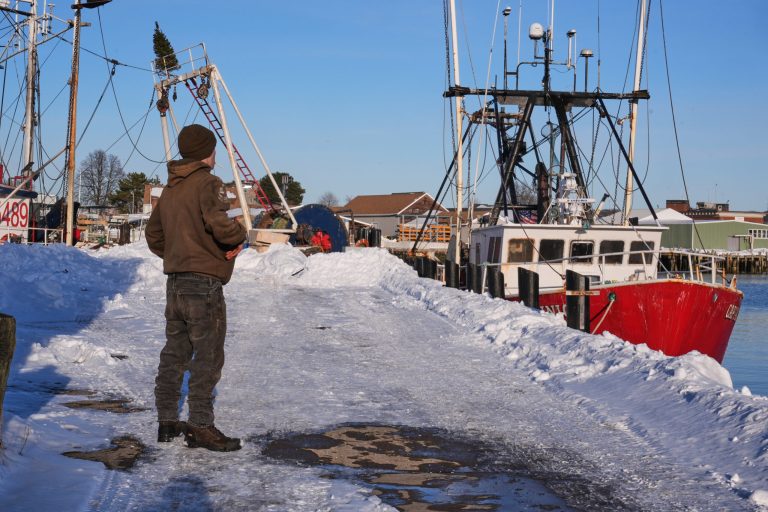
This week, a powerful winter storm wreaked havoc across the Northeast, delivering several feet of snow and blizzard conditions. Preliminary estimates from AccuWeather indicate that the storm has resulted in total damages and economic losses ranging from $34 billion to $38 billion.
Parts of New York, Massachusetts, New Jersey, and Rhode Island were particularly hard hit, with over two feet of heavy snow accumulating in some areas. Additionally, hurricane-force wind gusts exceeding 74 mph were reported in parts of Massachusetts and Rhode Island, further exacerbating the storm’s impact.
According to AccuWeather, at least 18 cities in the Northeast experienced official blizzard conditions. These conditions are defined by sustained winds or wind gusts of 35 mph or greater, combined with visibility reduced to one-quarter of a mile or less for three consecutive hours.
The storm also caused significant disruptions to daily life, with more than 600,000 homes and businesses losing electricity during the nor’easter. In addition, over 2,000 flights were canceled, and 600 were delayed as of 6:00 a.m. ET on Tuesday, according to FlightAware data.
AccuWeather Chief Meteorologist Jonathan Porter remarked, “This winter has been remarkably costly and disruptive for people across the eastern half of the country. This blockbuster blizzard is the third major storm so far this winter to cause billions of dollars in damage and losses.”
It’s important to note that some areas have yet to report complete information regarding damage, injuries, and other impacts. AccuWeather’s preliminary estimate encompasses both insured and uninsured damages, accounting for a wide range of factors. This includes damage to homes and businesses, disruptions to commerce and supply chain logistics, tourism losses, impacts on shipping operations at major hubs, financial losses from extended power outages, and significant travel delays, as well as damage to infrastructure.
Topics
Trends
Profit Loss
Was this article valuable?
Here are more articles you may enjoy.
Interested in Profit Loss?
Get automatic alerts for this topic.
This week, a powerful winter storm wreaked havoc across the Northeast, delivering several feet of snow and blizzard conditions. Preliminary estimates from AccuWeather indicate that the storm has resulted in total damages and economic losses ranging from $34 billion to $38 billion.
Parts of New York, Massachusetts, New Jersey, and Rhode Island were particularly hard hit, with over two feet of heavy snow accumulating in some areas. Additionally, hurricane-force wind gusts exceeding 74 mph were reported in parts of Massachusetts and Rhode Island, further exacerbating the storm’s impact.
According to AccuWeather, at least 18 cities in the Northeast experienced official blizzard conditions. These conditions are defined by sustained winds or wind gusts of 35 mph or greater, combined with visibility reduced to one-quarter of a mile or less for three consecutive hours.
The storm also caused significant disruptions to daily life, with more than 600,000 homes and businesses losing electricity during the nor’easter. In addition, over 2,000 flights were canceled, and 600 were delayed as of 6:00 a.m. ET on Tuesday, according to FlightAware data.
AccuWeather Chief Meteorologist Jonathan Porter remarked, “This winter has been remarkably costly and disruptive for people across the eastern half of the country. This blockbuster blizzard is the third major storm so far this winter to cause billions of dollars in damage and losses.”
It’s important to note that some areas have yet to report complete information regarding damage, injuries, and other impacts. AccuWeather’s preliminary estimate encompasses both insured and uninsured damages, accounting for a wide range of factors. This includes damage to homes and businesses, disruptions to commerce and supply chain logistics, tourism losses, impacts on shipping operations at major hubs, financial losses from extended power outages, and significant travel delays, as well as damage to infrastructure.
Topics
Trends
Profit Loss
Was this article valuable?
Here are more articles you may enjoy.
Interested in Profit Loss?
Get automatic alerts for this topic.