Allianz Executive Urges EU to Address US Market Volatility
European policymakers are contemplating strategies to create market turbulence as a means to pressure US President Donald Trump regarding his controversial claim over Greenland. This perspective comes from Michael Krautzberger, the chief investment officer for public markets at Allianz Global Investors, which manages a substantial €580 billion ($680 billion) in assets.
“If I were an adviser to some European governments, I would suggest generating a bit of market volatility,” Krautzberger stated. He emphasized that Trump is particularly sensitive to market fluctuations, perhaps more so than other politicians. This volatility could potentially lead Trump to consider a “face-saving compromise” regarding his Greenland claim, he added during a discussion at Allianz’s London office.
As the situation unfolds, European leaders are actively debating their response to Trump’s assertion that he wishes to acquire Greenland from Denmark, citing national security concerns. Trump mentioned that he plans to engage with “various parties” regarding this claim during the upcoming World Economic Forum in Davos.
Krautzberger proposed that Europe should at least consider threatening access for US companies to European markets as a countermeasure. This suggestion relates to the European Union’s anti-coercion instrument, which, if enacted, could impose restrictions on US investments, goods, and services within the EU.
It’s important to note that AllianzGI operates independently from Allianz SE’s California-based asset management unit, PIMCO. Krautzberger pointed out that if European leaders maintain this stance for a while, the market is likely to react. He highlighted the upcoming US midterm elections as a factor that could influence Trump’s tolerance for significant financial market volatility.
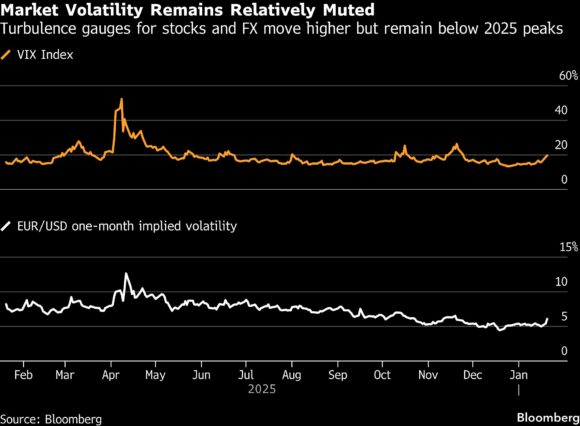
While Krautzberger’s suggestion is intriguing, it raises concerns about potential short-term impacts on European investors. Already, US and European stock markets are experiencing declines due to rising tensions, particularly as Trump has threatened tariffs against eight European nations for opposing his Greenland ambitions.
One extreme measure under consideration is the possibility of European policymakers urging funds that hold US assets to divest. US Treasury Secretary Scott Bessent expressed strong disagreement with this idea, labeling it as illogical.
In a related development, US Treasuries saw a dip after Danish pension fund AkademikerPension announced plans to exit its US Treasuries holdings by the end of the month. However, this move had a limited impact, as the fund holds only about $100 million in such securities, a mere fraction of the $30 trillion market.
Krautzberger believes that coordinating a unified EU policy to implement such actions would be challenging, given the diverse array of investors involved, many of whom are private funds outside governmental control. “I think it’s a hard to coordinate instrument,” he remarked. “The theoretical threat is there, but there are many non-government players.”
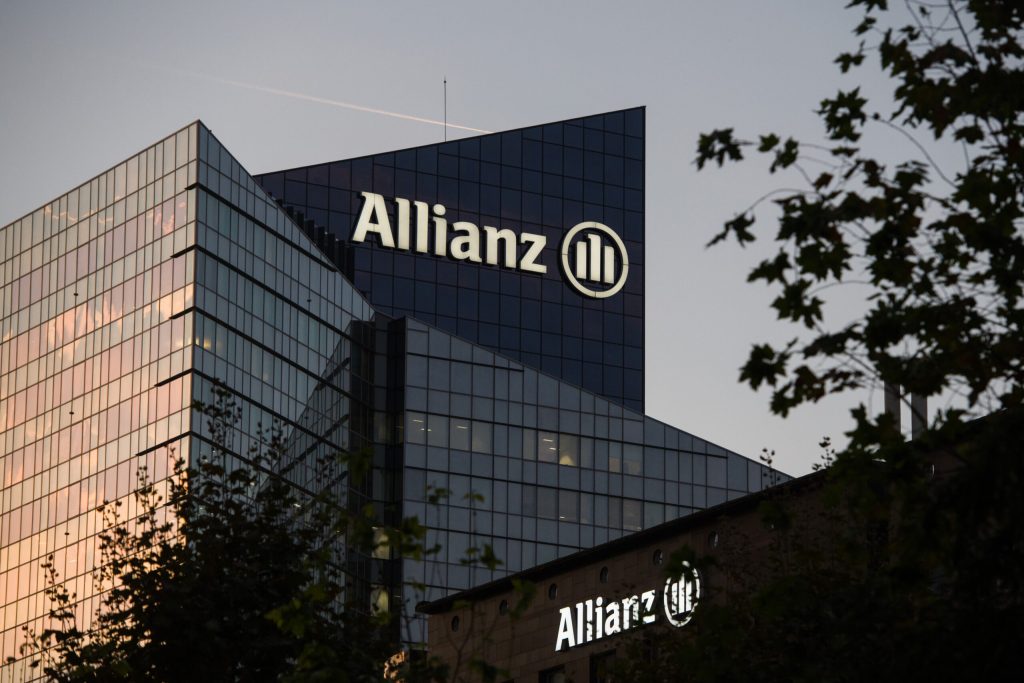
Photograph: The offices of Allianz in the La Defense financial district of Paris; photo credit: Nathan Laine/Bloomberg
Copyright 2026 Bloomberg.
The most important insurance news, in your inbox every business day.
Get the insurance industry’s trusted newsletter
European policymakers are contemplating strategies to create market turbulence as a means to pressure US President Donald Trump regarding his controversial claim over Greenland. This perspective comes from Michael Krautzberger, the chief investment officer for public markets at Allianz Global Investors, which manages a substantial €580 billion ($680 billion) in assets.
“If I were an adviser to some European governments, I would suggest generating a bit of market volatility,” Krautzberger stated. He emphasized that Trump is particularly sensitive to market fluctuations, perhaps more so than other politicians. This volatility could potentially lead Trump to consider a “face-saving compromise” regarding his Greenland claim, he added during a discussion at Allianz’s London office.
As the situation unfolds, European leaders are actively debating their response to Trump’s assertion that he wishes to acquire Greenland from Denmark, citing national security concerns. Trump mentioned that he plans to engage with “various parties” regarding this claim during the upcoming World Economic Forum in Davos.
Krautzberger proposed that Europe should at least consider threatening access for US companies to European markets as a countermeasure. This suggestion relates to the European Union’s anti-coercion instrument, which, if enacted, could impose restrictions on US investments, goods, and services within the EU.
It’s important to note that AllianzGI operates independently from Allianz SE’s California-based asset management unit, PIMCO. Krautzberger pointed out that if European leaders maintain this stance for a while, the market is likely to react. He highlighted the upcoming US midterm elections as a factor that could influence Trump’s tolerance for significant financial market volatility.
While Krautzberger’s suggestion is intriguing, it raises concerns about potential short-term impacts on European investors. Already, US and European stock markets are experiencing declines due to rising tensions, particularly as Trump has threatened tariffs against eight European nations for opposing his Greenland ambitions.
One extreme measure under consideration is the possibility of European policymakers urging funds that hold US assets to divest. US Treasury Secretary Scott Bessent expressed strong disagreement with this idea, labeling it as illogical.
In a related development, US Treasuries saw a dip after Danish pension fund AkademikerPension announced plans to exit its US Treasuries holdings by the end of the month. However, this move had a limited impact, as the fund holds only about $100 million in such securities, a mere fraction of the $30 trillion market.
Krautzberger believes that coordinating a unified EU policy to implement such actions would be challenging, given the diverse array of investors involved, many of whom are private funds outside governmental control. “I think it’s a hard to coordinate instrument,” he remarked. “The theoretical threat is there, but there are many non-government players.”
Photograph: The offices of Allianz in the La Defense financial district of Paris; photo credit: Nathan Laine/Bloomberg
Copyright 2026 Bloomberg.
The most important insurance news, in your inbox every business day.
Get the insurance industry’s trusted newsletter