Amazon Shifts Strategy: Closing Amazon Go and Fresh Stores to Prioritize Whole Foods
Exclusive senior advisor to First Lady Melania Trump, Marc Beckman, discusses Amazon’s new documentary and the momentum behind the first lady’s growing public profile on ‘Mornings with Maria.’
In a significant shift, Amazon has announced the closure of all its Amazon Go and Amazon Fresh locations, opting to concentrate its efforts on Whole Foods Market. This decision was revealed on Tuesday, marking a pivotal change in the company’s retail strategy.
According to reports from The Associated Press, Amazon plans to convert some of the existing locations into Whole Foods Market stores. Currently, the company operates 57 Amazon Fresh stores and 15 Amazon Go locations. The last operational day for these stores is set for February 1.
In a blog post, Amazon stated, “While we’ve seen encouraging signals in our Amazon-branded physical grocery stores, we haven’t yet created a truly distinctive customer experience with the right economic model needed for large-scale expansion.”
For those looking for a quicker shopping experience, Amazon is also exploring innovative solutions. WANT A FASTER GROCERY TRIP? THESE AI SMART CARTS CAN HELP
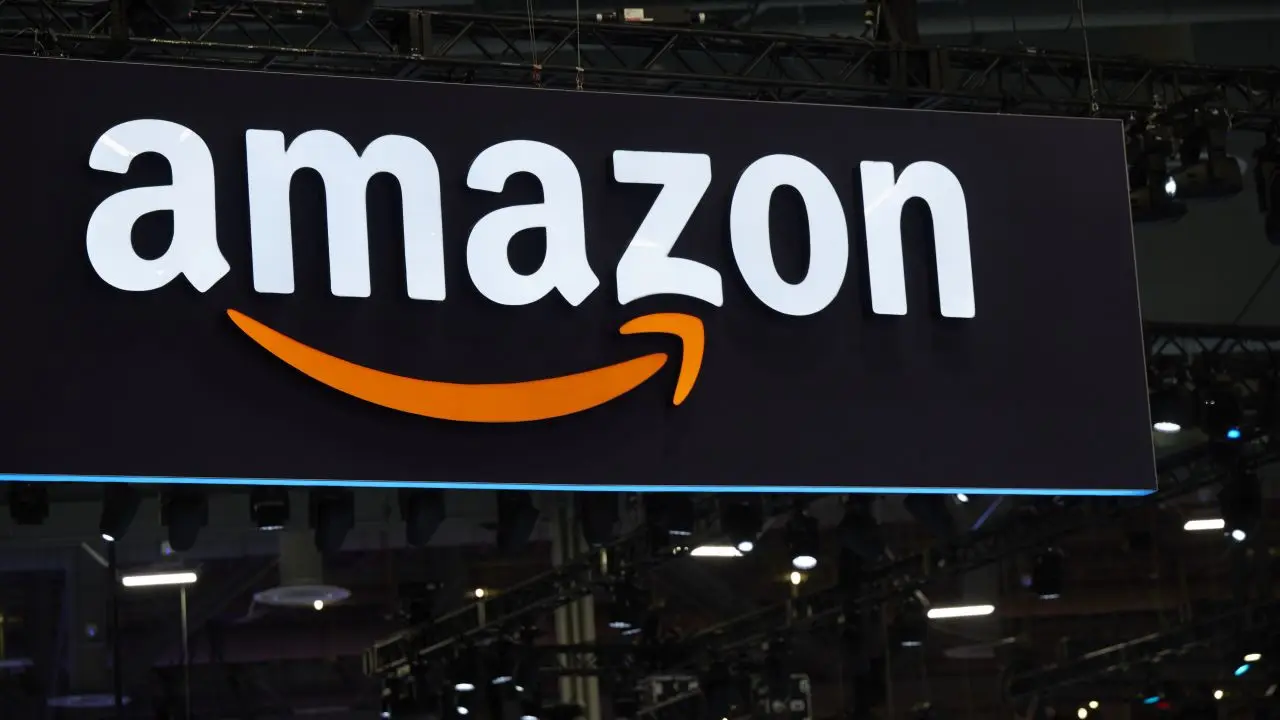
Amazon signage during the 2024 CES event in Las Vegas, Nevada, US, on Wednesday, Jan. 10, 2024. (Photographer: Bridget Bennett/Bloomberg via Getty Images / Getty Images)
Amazon’s focus on Whole Foods Market is not without merit. The company has reported over 40% sales growth since acquiring Whole Foods in 2017, with expansion to more than 550 locations. “Customers are increasingly choosing Whole Foods Market for both everyday shopping and special occasions,” the company noted, highlighting record-breaking customer traffic and year-over-year growth that surpasses the broader industry.
To further capitalize on this momentum, Amazon plans to invest in opening more than 100 new Whole Foods Market stores in the coming years. This strategic move reflects the company’s commitment to enhancing its grocery offerings.
In addition to expanding Whole Foods, Amazon is also looking to introduce new store concepts, including a “supercenter physical retail concept” that will feature fresh groceries, household essentials, and general merchandise.
This shift in strategy comes on the heels of reports indicating that Amazon plans to cut thousands of jobs as part of a broader initiative to streamline its corporate workforce by nearly 10%. Following an initial round of layoffs affecting around 14,000 employees in October, Amazon is expected to initiate a second wave, potentially impacting a similar number of workers.
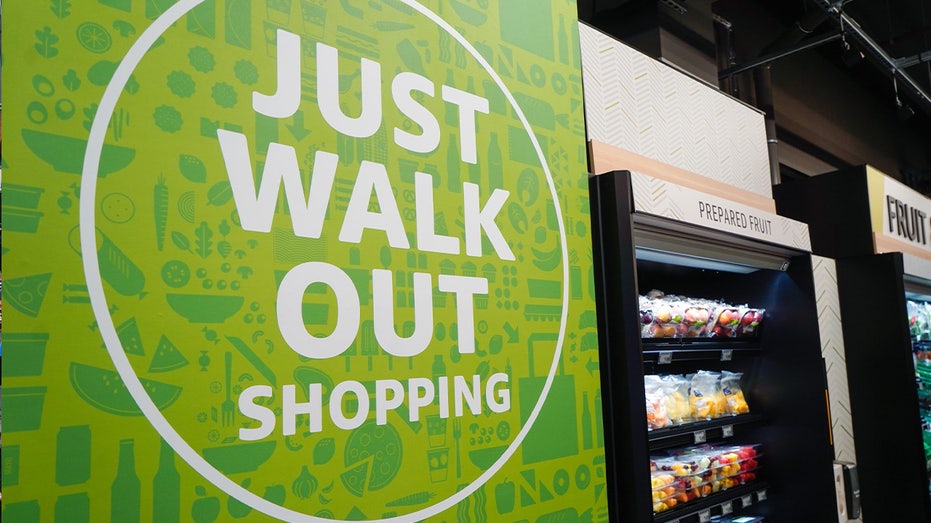
A sign reading “Just walk Out Shopping” is pictured next to a display of fresh fruit and vegetables inside an Amazon Fresh store. (NIKLAS HALLE’N/AFP via Getty Images / Getty Images)
If fully realized, these layoffs would represent the largest in Amazon’s history, surpassing the approximately 27,000 jobs cut in 2022. Amazon CEO Andy Jassy has indicated that the retailer’s corporate workforce is expected to shrink due to efficiencies gained through AI.
Exclusive senior advisor to First Lady Melania Trump, Marc Beckman, discusses Amazon’s new documentary and the momentum behind the first lady’s growing public profile on ‘Mornings with Maria.’
In a significant shift, Amazon has announced the closure of all its Amazon Go and Amazon Fresh locations, opting to concentrate its efforts on Whole Foods Market. This decision was revealed on Tuesday, marking a pivotal change in the company’s retail strategy.
According to reports from The Associated Press, Amazon plans to convert some of the existing locations into Whole Foods Market stores. Currently, the company operates 57 Amazon Fresh stores and 15 Amazon Go locations. The last operational day for these stores is set for February 1.
In a blog post, Amazon stated, “While we’ve seen encouraging signals in our Amazon-branded physical grocery stores, we haven’t yet created a truly distinctive customer experience with the right economic model needed for large-scale expansion.”
For those looking for a quicker shopping experience, Amazon is also exploring innovative solutions. WANT A FASTER GROCERY TRIP? THESE AI SMART CARTS CAN HELP
Amazon signage during the 2024 CES event in Las Vegas, Nevada, US, on Wednesday, Jan. 10, 2024. (Photographer: Bridget Bennett/Bloomberg via Getty Images / Getty Images)
Amazon’s focus on Whole Foods Market is not without merit. The company has reported over 40% sales growth since acquiring Whole Foods in 2017, with expansion to more than 550 locations. “Customers are increasingly choosing Whole Foods Market for both everyday shopping and special occasions,” the company noted, highlighting record-breaking customer traffic and year-over-year growth that surpasses the broader industry.
To further capitalize on this momentum, Amazon plans to invest in opening more than 100 new Whole Foods Market stores in the coming years. This strategic move reflects the company’s commitment to enhancing its grocery offerings.
In addition to expanding Whole Foods, Amazon is also looking to introduce new store concepts, including a “supercenter physical retail concept” that will feature fresh groceries, household essentials, and general merchandise.
This shift in strategy comes on the heels of reports indicating that Amazon plans to cut thousands of jobs as part of a broader initiative to streamline its corporate workforce by nearly 10%. Following an initial round of layoffs affecting around 14,000 employees in October, Amazon is expected to initiate a second wave, potentially impacting a similar number of workers.
A sign reading “Just walk Out Shopping” is pictured next to a display of fresh fruit and vegetables inside an Amazon Fresh store. (NIKLAS HALLE’N/AFP via Getty Images / Getty Images)
If fully realized, these layoffs would represent the largest in Amazon’s history, surpassing the approximately 27,000 jobs cut in 2022. Amazon CEO Andy Jassy has indicated that the retailer’s corporate workforce is expected to shrink due to efficiencies gained through AI.