An Insider’s Guide to 6 of Vienna’s Splendid Public Pools
Vienna is often celebrated as one of the world’s most livable cities, and for good reason. The Austrian capital boasts excellent public housing, abundant green spaces, and a vibrant cultural scene that captivates both residents and visitors alike.
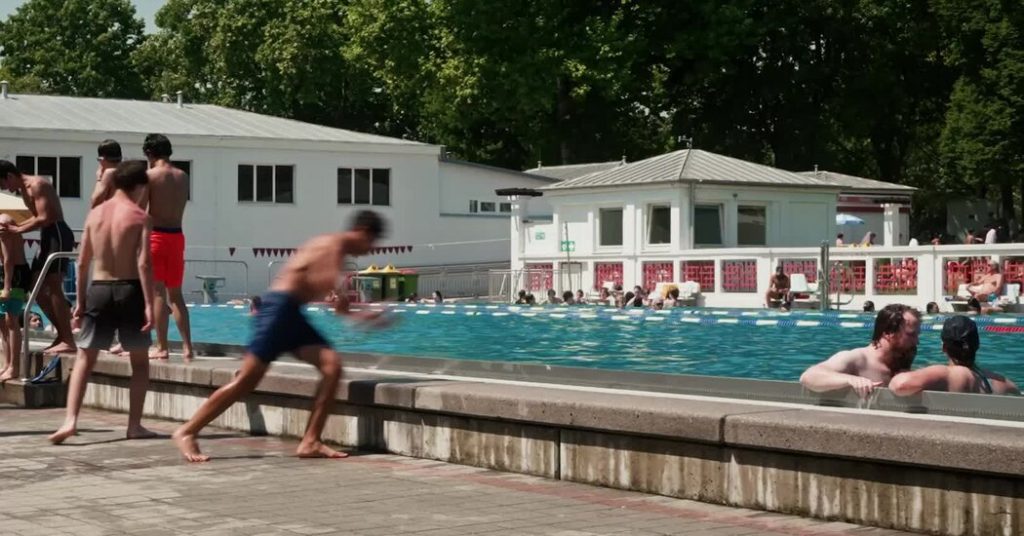
As an expat in Vienna, my personal favorite aspect of the city is its numerous outdoor pools. Many of these century-old establishments serve as more than just swimming venues; they are seasonal retreats where locals sunbathe, read under the shade of towering lindens, or sip on a refreshing radler—a delightful mix of beer and lemonade—at the on-site cafes.
The outdoor pool season typically runs from early May to mid-September, with daily entry fees for adults around 8 euros, and reduced rates for seniors and children. Here are six pools worth visiting.
Just steps away from the Sandleitenhof, a significant municipal housing project, lies the Kongressbad. Opened in 1928, this pool was once a state-of-the-art oasis featuring a 100-meter pool and a 10-meter diving platform. It became a popular spot for fitness enthusiasts and even hosted the Austrian Olympic swimming trials for the 1928 Games in Amsterdam.
In the 1980s, the Kongressbad was transformed into a 50-meter sports pool for serious swimmers, alongside a separate leisure pool for those looking to relax. The diving platform was replaced with a fun water slide. Beyond the pools, a grassy area dotted with sun loungers slopes up to the cafe, where you can indulge in lángos, a savory, deep-fried dough snack with Hungarian roots, whose garlicky aroma fills the air during summer.
If the Kongressbad is the jewel of the working class, the Krapfenwaldl is favored by the haute bourgeoisie. Nestled on a hilltop in the Vienna Woods, it offers breathtaking views of the city skyline and surrounding vineyards. Visitors range from leathery old-timers to young families and glamorous individuals, all enjoying a leisurely day reminiscent of Romy Schneider and Alain Delon in “La Piscine.”
Despite its trendy atmosphere, the Krapfenwaldl retains historical charm. Opened in 1923, its beautiful wood-paneled changing cabins were once part of a restaurant designed by the renowned Viennese architect Josef Pürzl. Today, visitors can enjoy coffee on the veranda or find a shady spot beneath the pines to relax.
A popular Viennese ballad by Rainhard Fendrich tells of a disastrous trip to Italy where his girlfriend leaves him for a suave local. The song concludes with the line: “I prefer the Gänsehäufel, to hell with Italy.” For many Viennese, this island in the Old Danube serves as a substitute for a Mediterranean getaway. Known as the “Lido der Hiergebliebenen” (the “lido for those who stayed put”), the Gänsehäufel features pebbly beaches, a bakery, an ice-cream parlor, a tobacco shop, and bocce courts. Who needs the Adriatic?
For those who prefer urban lakes, the Gänsehäufel also offers an aerial adventure park and a wave pool. For the uninhibited, there’s a designated nudist section complete with its own beach and restaurant.
The Schafbergbad proudly features the city’s longest water slide. Similar to Krapfenwaldl, it is situated atop a hill in the northwestern part of the city, surrounded by a sprawling grassy area. The facility includes several pools, snack bars, trampolines, beach volleyball courts, and even a mini golf course.
The highlight of the Schafbergbad is undoubtedly its 335-foot water slide. A brief climb up the blue spiral staircase rewards you with stunning views of the city below—though you won’t have much time to appreciate them before plunging down into the exhilarating jet stream.
The chestnut tree-lined Prater Hauptallee is a favorite spot for cyclists and runners. After a refreshing outing on the promenade, a visit to the adjacent Stadionbad is a must. Named for its proximity to Austria’s largest soccer stadium, both venues opened in 1931 to host events for the Workers’ Olympiad, an alternative to the Olympic Games.
Today, the Stadionbad lives up to its athletic legacy, featuring two 50-meter pools that are a dream for lap swimmers. A separate diving pool includes a 10-meter platform, although only the one- and three-meter boards are open to the public.
Thermalbad Vöslau
Located about half an hour south of Vienna by train, the spa town of Bad Vöslau is home to thermal springs that have been in use since the Roman Empire. Today, visitors to the Thermalbad Vöslau can immerse themselves in these ancient waters while enjoying stunning views.
While the site features several pools, the crown jewel is a man-made swimming hole fed entirely by spring water. After a refreshing dip in the cool waters, you can warm up on the grassy island that juts into the pool. Occasionally, the Thermalbad transforms into a venue for readings and musical performances, harkening back to its literary legacy, as it once captivated playwrights like Hugo von Hofmannsthal and Arthur Schnitzler.
Vienna is often celebrated as one of the world’s most livable cities, and for good reason. The Austrian capital boasts excellent public housing, abundant green spaces, and a vibrant cultural scene that captivates both residents and visitors alike.
As an expat in Vienna, my personal favorite aspect of the city is its numerous outdoor pools. Many of these century-old establishments serve as more than just swimming venues; they are seasonal retreats where locals sunbathe, read under the shade of towering lindens, or sip on a refreshing radler—a delightful mix of beer and lemonade—at the on-site cafes.
The outdoor pool season typically runs from early May to mid-September, with daily entry fees for adults around 8 euros, and reduced rates for seniors and children. Here are six pools worth visiting.
Just steps away from the Sandleitenhof, a significant municipal housing project, lies the Kongressbad. Opened in 1928, this pool was once a state-of-the-art oasis featuring a 100-meter pool and a 10-meter diving platform. It became a popular spot for fitness enthusiasts and even hosted the Austrian Olympic swimming trials for the 1928 Games in Amsterdam.
In the 1980s, the Kongressbad was transformed into a 50-meter sports pool for serious swimmers, alongside a separate leisure pool for those looking to relax. The diving platform was replaced with a fun water slide. Beyond the pools, a grassy area dotted with sun loungers slopes up to the cafe, where you can indulge in lángos, a savory, deep-fried dough snack with Hungarian roots, whose garlicky aroma fills the air during summer.
If the Kongressbad is the jewel of the working class, the Krapfenwaldl is favored by the haute bourgeoisie. Nestled on a hilltop in the Vienna Woods, it offers breathtaking views of the city skyline and surrounding vineyards. Visitors range from leathery old-timers to young families and glamorous individuals, all enjoying a leisurely day reminiscent of Romy Schneider and Alain Delon in “La Piscine.”
Despite its trendy atmosphere, the Krapfenwaldl retains historical charm. Opened in 1923, its beautiful wood-paneled changing cabins were once part of a restaurant designed by the renowned Viennese architect Josef Pürzl. Today, visitors can enjoy coffee on the veranda or find a shady spot beneath the pines to relax.
A popular Viennese ballad by Rainhard Fendrich tells of a disastrous trip to Italy where his girlfriend leaves him for a suave local. The song concludes with the line: “I prefer the Gänsehäufel, to hell with Italy.” For many Viennese, this island in the Old Danube serves as a substitute for a Mediterranean getaway. Known as the “Lido der Hiergebliebenen” (the “lido for those who stayed put”), the Gänsehäufel features pebbly beaches, a bakery, an ice-cream parlor, a tobacco shop, and bocce courts. Who needs the Adriatic?
For those who prefer urban lakes, the Gänsehäufel also offers an aerial adventure park and a wave pool. For the uninhibited, there’s a designated nudist section complete with its own beach and restaurant.
The Schafbergbad proudly features the city’s longest water slide. Similar to Krapfenwaldl, it is situated atop a hill in the northwestern part of the city, surrounded by a sprawling grassy area. The facility includes several pools, snack bars, trampolines, beach volleyball courts, and even a mini golf course.
The highlight of the Schafbergbad is undoubtedly its 335-foot water slide. A brief climb up the blue spiral staircase rewards you with stunning views of the city below—though you won’t have much time to appreciate them before plunging down into the exhilarating jet stream.
The chestnut tree-lined Prater Hauptallee is a favorite spot for cyclists and runners. After a refreshing outing on the promenade, a visit to the adjacent Stadionbad is a must. Named for its proximity to Austria’s largest soccer stadium, both venues opened in 1931 to host events for the Workers’ Olympiad, an alternative to the Olympic Games.
Today, the Stadionbad lives up to its athletic legacy, featuring two 50-meter pools that are a dream for lap swimmers. A separate diving pool includes a 10-meter platform, although only the one- and three-meter boards are open to the public.
Thermalbad Vöslau
Located about half an hour south of Vienna by train, the spa town of Bad Vöslau is home to thermal springs that have been in use since the Roman Empire. Today, visitors to the Thermalbad Vöslau can immerse themselves in these ancient waters while enjoying stunning views.
While the site features several pools, the crown jewel is a man-made swimming hole fed entirely by spring water. After a refreshing dip in the cool waters, you can warm up on the grassy island that juts into the pool. Occasionally, the Thermalbad transforms into a venue for readings and musical performances, harkening back to its literary legacy, as it once captivated playwrights like Hugo von Hofmannsthal and Arthur Schnitzler.