Analyst Predicts Significant Increase in US Defense Spending Following Maduro’s Arrest
The Bottom Line panelists Daniel Di Martino and Carine Hajjar discuss worldwide reaction to the capture of the dictator.
The recent arrest of Venezuelan leader Nicolás Maduro by the Trump administration marks a significant shift in U.S. foreign policy, potentially leading to increased defense spending as the U.S. takes a more proactive stance in regional security. This insight comes from a research note by Bernstein, which highlights the implications of Maduro’s capture.
Maduro was apprehended during a special operations raid over the weekend and is now facing serious charges related to drug and weapon trafficking in federal court in New York City. Following his removal, President Donald Trump asserted that the U.S. is “in charge” of Venezuela, while Secretary of State Marco Rubio emphasized that the U.S. is pursuing policy changes aimed at supporting the administration’s objectives and benefiting the Venezuelan populace.
Douglas Harned, managing director and senior analyst for aerospace and defense at Bernstein, expressed uncertainty regarding how U.S. control of Venezuela will unfold. He noted that the Trump administration has yet to outline its strategy for overseeing the transition of power in the country.
MADURO’S REMOVAL COULD REVERSE DECADES OF ECONOMIC STRUGGLES FOR VENEZUELANS
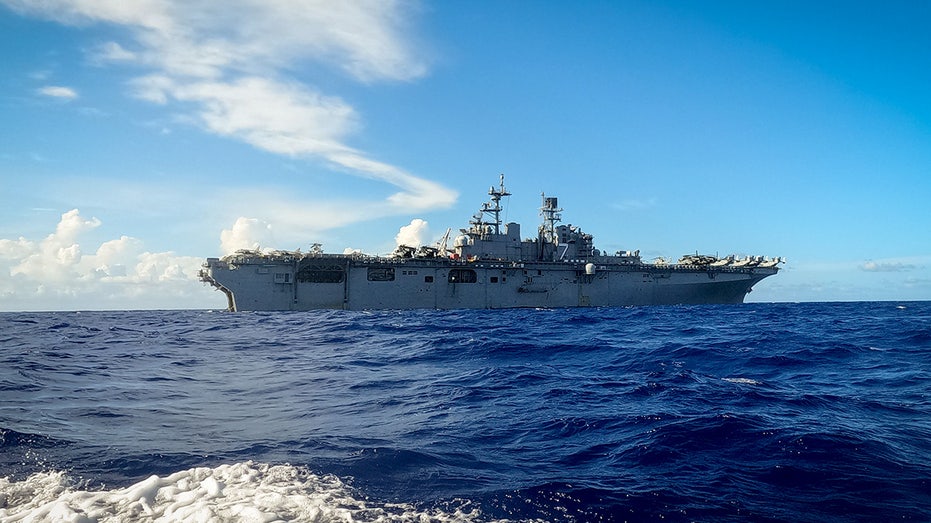
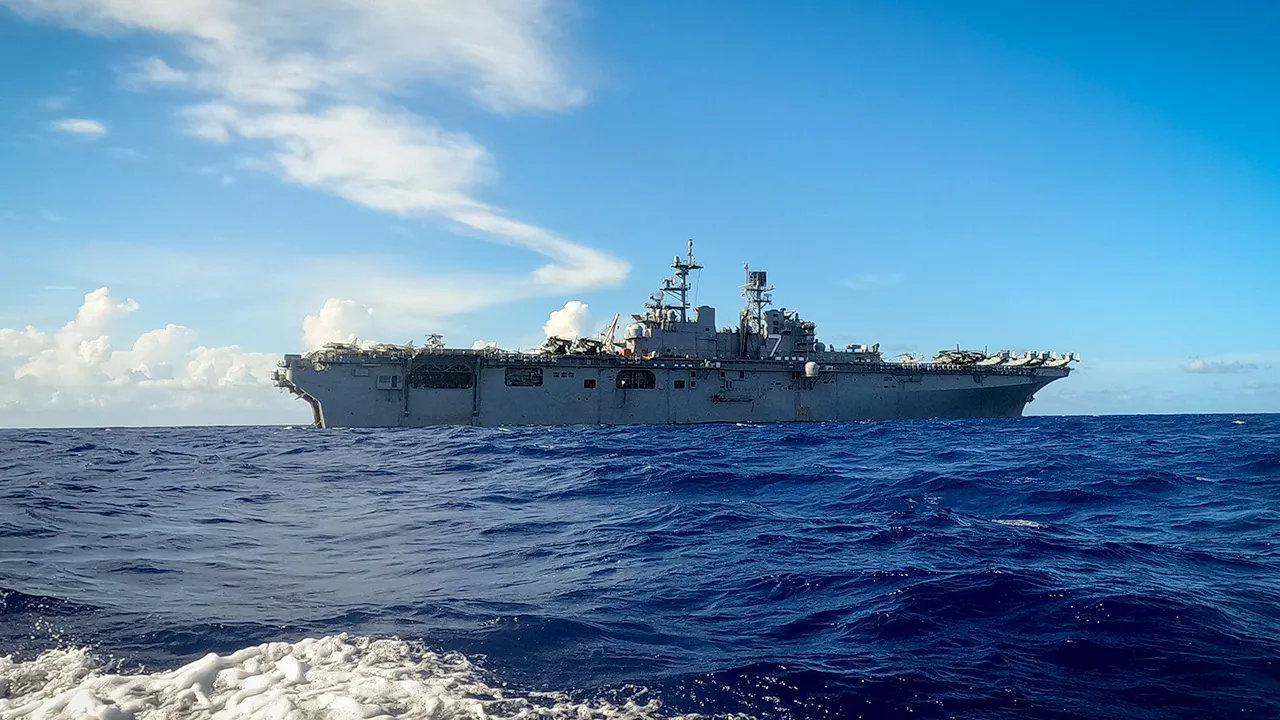
Special forces operating with the USS Iwo Jima amphibious response group participated in the raid that apprehended Maduro. (U.S. Marine Corps / Sgt. Nathan Mitchell / DVIDS / Fox News)
Harned further elaborated that the “path to success looks narrow, risky and must navigate regime infrastructure, opposition involvement and U.S. goals.” He drew parallels to previous regime changes, such as in Iraq, where the U.S. anticipated a smooth transition with minimal military presence, only to face escalating costs and troop deployments.
MADURO’S CAPTURE PUTS CUBA’S VENEZUELAN OIL-DEPENDENT ECONOMY AT RISK
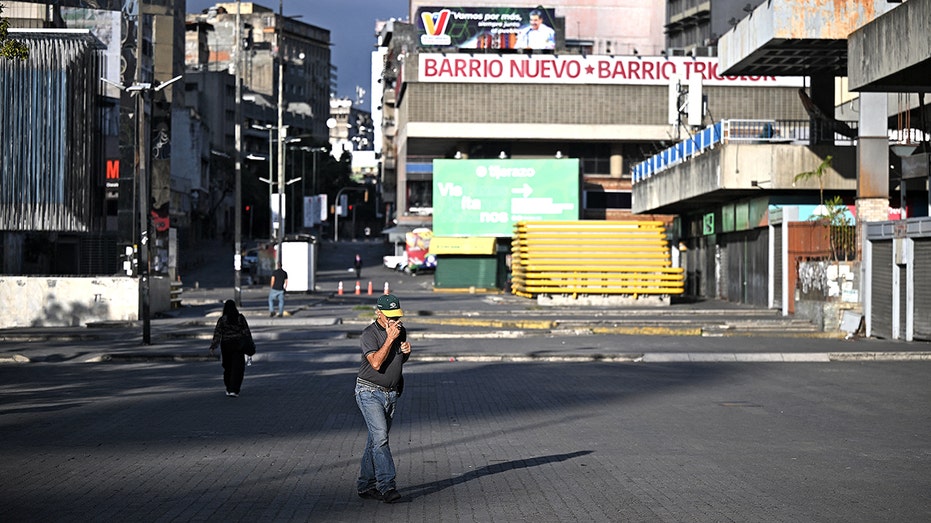
Maduro’s ouster creates a leadership void in Venezuela, with the U.S. considering options for a transition of power. (Federico Parra / AFP via Getty Images)
Harned noted that U.S. defense and engineering consulting firms are actively developing proposals concerning Venezuela’s future. However, the decision-making process remains unclear, especially following the closure of USAID last year and its merger with the State Department.
AFTER MADURO, VENEZUELA FACES HARD CHOICES TO REBUILD ITS SHATTERED ECONOMY
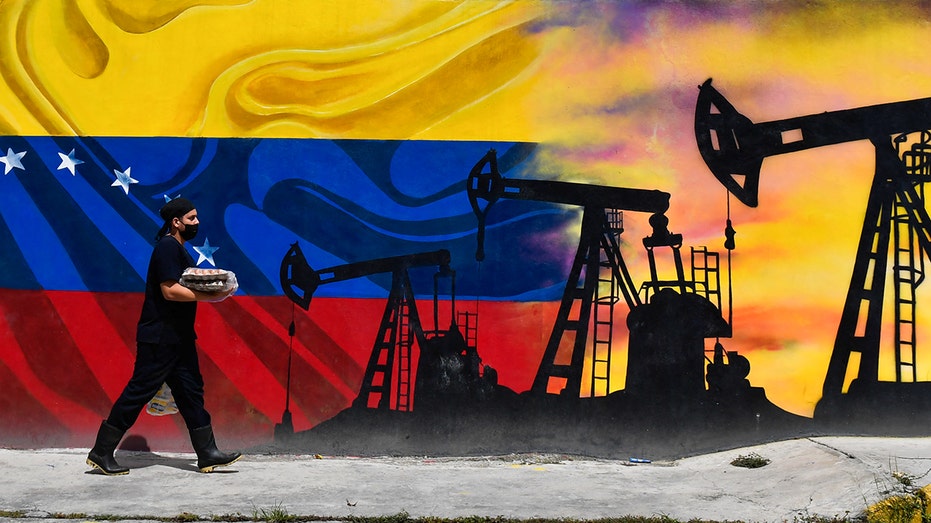
Venezuela’s oil-dependent economy has struggled under the weight of socialist policies. (Federico Parra/AFP via Getty Images)
Harned also pointed out that the Trump administration has issued threats towards Colombia and Cuba, while cautioning Iran’s regime against harming protesters. He noted, “Almost always, when threats of military action increase, defense budgets move higher, leading to positive trends for defense stocks.” This could create momentum for the Trump administration’s budget reconciliation strategy, potentially resulting in increased defense spending.
GET FOX BUSINESS ON THE GO BY CLICKING HERE
Harned concluded that this strategy, while unconventional, could lead to budget increases for 2027. He anticipates that if funds are required for Venezuela or other active combat situations, they will be additive. He sees little likelihood that the administration would retreat from its key priorities, which include initiatives in areas like space, shipbuilding, and ramping up munitions production.
The Bottom Line panelists Daniel Di Martino and Carine Hajjar discuss worldwide reaction to the capture of the dictator.
The recent arrest of Venezuelan leader Nicolás Maduro by the Trump administration marks a significant shift in U.S. foreign policy, potentially leading to increased defense spending as the U.S. takes a more proactive stance in regional security. This insight comes from a research note by Bernstein, which highlights the implications of Maduro’s capture.
Maduro was apprehended during a special operations raid over the weekend and is now facing serious charges related to drug and weapon trafficking in federal court in New York City. Following his removal, President Donald Trump asserted that the U.S. is “in charge” of Venezuela, while Secretary of State Marco Rubio emphasized that the U.S. is pursuing policy changes aimed at supporting the administration’s objectives and benefiting the Venezuelan populace.
Douglas Harned, managing director and senior analyst for aerospace and defense at Bernstein, expressed uncertainty regarding how U.S. control of Venezuela will unfold. He noted that the Trump administration has yet to outline its strategy for overseeing the transition of power in the country.
MADURO’S REMOVAL COULD REVERSE DECADES OF ECONOMIC STRUGGLES FOR VENEZUELANS
Special forces operating with the USS Iwo Jima amphibious response group participated in the raid that apprehended Maduro. (U.S. Marine Corps / Sgt. Nathan Mitchell / DVIDS / Fox News)
Harned further elaborated that the “path to success looks narrow, risky and must navigate regime infrastructure, opposition involvement and U.S. goals.” He drew parallels to previous regime changes, such as in Iraq, where the U.S. anticipated a smooth transition with minimal military presence, only to face escalating costs and troop deployments.
MADURO’S CAPTURE PUTS CUBA’S VENEZUELAN OIL-DEPENDENT ECONOMY AT RISK
Maduro’s ouster creates a leadership void in Venezuela, with the U.S. considering options for a transition of power. (Federico Parra / AFP via Getty Images)
Harned noted that U.S. defense and engineering consulting firms are actively developing proposals concerning Venezuela’s future. However, the decision-making process remains unclear, especially following the closure of USAID last year and its merger with the State Department.
AFTER MADURO, VENEZUELA FACES HARD CHOICES TO REBUILD ITS SHATTERED ECONOMY
Venezuela’s oil-dependent economy has struggled under the weight of socialist policies. (Federico Parra/AFP via Getty Images)
Harned also pointed out that the Trump administration has issued threats towards Colombia and Cuba, while cautioning Iran’s regime against harming protesters. He noted, “Almost always, when threats of military action increase, defense budgets move higher, leading to positive trends for defense stocks.” This could create momentum for the Trump administration’s budget reconciliation strategy, potentially resulting in increased defense spending.
GET FOX BUSINESS ON THE GO BY CLICKING HERE
Harned concluded that this strategy, while unconventional, could lead to budget increases for 2027. He anticipates that if funds are required for Venezuela or other active combat situations, they will be additive. He sees little likelihood that the administration would retreat from its key priorities, which include initiatives in areas like space, shipbuilding, and ramping up munitions production.