Arizona Jury Awards $8.5 Million in Damages for Uber Sexual Assault Case
Uber Technologies Inc. has been ordered to pay $8.5 million in damages following a trial concerning a 19-year-old woman’s claim that she was raped by her driver in Arizona. This verdict raises the stakes for the rideshare giant, which now faces the potential for costly settlements to resolve nearly 3,000 similar cases across the country.
The jury’s decision, reached in Phoenix, marks the first instance where Uber has been found liable for failing to prevent an alleged sexual assault of a passenger. In contrast, the company successfully defended itself in a similar case last year in California state court.
In response to the verdict, Uber announced plans to appeal while also acknowledging some of the jury’s findings.
Related: Dutch Court Rules Uber Drivers Can Be Treated as Self-Employed
Sarah London, the attorney representing the plaintiff, Jaylynn Dean, stated that the verdict “validates the thousands of survivors who have come forward at great personal risk to demand accountability against Uber for its focus on profit over passenger safety.”
For over a decade, Uber has contended with sexual assault claims, arguing that it cannot be held responsible for the actions of drivers classified as independent contractors. The company has faced ongoing criticism regarding its safety measures.
Bloomberg Intelligence estimates that if Uber continues to lose early trials, it may ultimately face over $500 million in settlements for the pending cases.
“Decisions in the first cases will be pivotal in shaping any broad settlement,” noted BI litigation analysts Matthew Schettenhelm and Holly Froum in a research note dated February 2.
Related: Doordash, Uber Fail to Stop NYC Law Requiring 10% Tip Prompt
On Wednesday, Uber released disappointing earnings guidance for the first quarter, indicating that its investments in new ride options and delivery services will impact profit margins.
In her lawsuit, Dean alleged that her driver raped her in November 2023 during a late-night ride from a bar in Tempe, Arizona. She claimed that the driver ended the ride prematurely and took advantage of her while she was lying down in the back seat, affected by anxiety medication and alcohol.
The driver testified that the encounter was consensual.
Dean’s legal team requested $24 million in compensation for her mental health damages and around $120 million in punitive damages to penalize Uber for its inadequate safety standards.
The jury found Uber liable, stating that the driver acted as an apparent agent of the company. However, they concluded that Uber did not act negligently or design a defective product, ultimately deciding against awarding punitive damages.
Uber emphasized the claims the jury rejected in its statement, noting that the damages awarded were “far below what was sought.” The company asserted, “This verdict affirms that Uber acted responsibly and has invested meaningfully in rider safety.”
Uber also plans to appeal the finding that the driver was acting as an agent of the company, arguing that the judge erred in the jury instructions.
London, Dean’s attorney, remarked that “the jury heard extensive evidence about Uber’s practices and recognized that Uber is responsible for the conduct of its drivers.”
This verdict starkly contrasts with the outcome of the California case, where a jury found Uber negligent for not implementing adequate safety measures but did not hold the company legally responsible for the incident involving a female college student in 2016.
Dean’s lawsuit, like many others filed nationwide, claimed that Uber was aware of the frequency of sexual assaults on its platform yet failed to implement safety measures such as dashboard-mounted cameras and matching female riders with female drivers.
Internal documents revealed that Uber was aware of the risks but prioritized ridership growth over safety, according to Dean’s lawyers.
During closing arguments, Alex Walsh, one of Dean’s attorneys, questioned, “What did Uber know internally? That it’s not safe to put your drunk girlfriend in an Uber late at night.”
Dean reported the incident to the police shortly after returning to her hotel and subsequently notified Uber, which suspended the driver.
Throughout the trial, Uber maintained that it has industry-leading safety standards and has recently introduced an option for women to request female drivers. The company conducts thorough background checks on drivers, including criminal history and driving violations. The driver in question had passed all 12 background checks over a seven-year period and received five-star ratings on more than half of his 10,000 rides prior to the incident.
“There was no way to predict or foresee what happened in this particular trip,” Uber’s attorney Kim Bueno argued during closing statements.
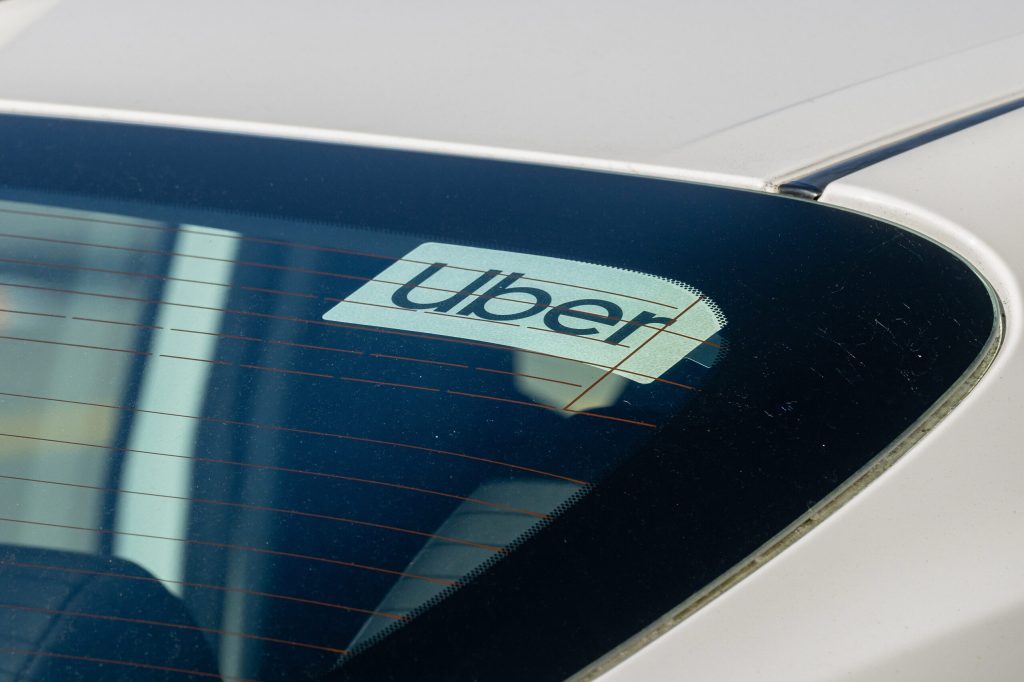
Top photo: Uber signage on a vehicle at San Francisco International Airport (SFO) in San Francisco, California, on Monday, Feb. 2, 2026. Photographer: David Paul Morris/Bloomberg.
Topics
Sharing Economy
Ridesharing
Uber Technologies Inc. has been ordered to pay $8.5 million in damages following a trial concerning a 19-year-old woman’s claim that she was raped by her driver in Arizona. This verdict raises the stakes for the rideshare giant, which now faces the potential for costly settlements to resolve nearly 3,000 similar cases across the country.
The jury’s decision, reached in Phoenix, marks the first instance where Uber has been found liable for failing to prevent an alleged sexual assault of a passenger. In contrast, the company successfully defended itself in a similar case last year in California state court.
In response to the verdict, Uber announced plans to appeal while also acknowledging some of the jury’s findings.
Related: Dutch Court Rules Uber Drivers Can Be Treated as Self-Employed
Sarah London, the attorney representing the plaintiff, Jaylynn Dean, stated that the verdict “validates the thousands of survivors who have come forward at great personal risk to demand accountability against Uber for its focus on profit over passenger safety.”
For over a decade, Uber has contended with sexual assault claims, arguing that it cannot be held responsible for the actions of drivers classified as independent contractors. The company has faced ongoing criticism regarding its safety measures.
Bloomberg Intelligence estimates that if Uber continues to lose early trials, it may ultimately face over $500 million in settlements for the pending cases.
“Decisions in the first cases will be pivotal in shaping any broad settlement,” noted BI litigation analysts Matthew Schettenhelm and Holly Froum in a research note dated February 2.
Related: Doordash, Uber Fail to Stop NYC Law Requiring 10% Tip Prompt
On Wednesday, Uber released disappointing earnings guidance for the first quarter, indicating that its investments in new ride options and delivery services will impact profit margins.
In her lawsuit, Dean alleged that her driver raped her in November 2023 during a late-night ride from a bar in Tempe, Arizona. She claimed that the driver ended the ride prematurely and took advantage of her while she was lying down in the back seat, affected by anxiety medication and alcohol.
The driver testified that the encounter was consensual.
Dean’s legal team requested $24 million in compensation for her mental health damages and around $120 million in punitive damages to penalize Uber for its inadequate safety standards.
The jury found Uber liable, stating that the driver acted as an apparent agent of the company. However, they concluded that Uber did not act negligently or design a defective product, ultimately deciding against awarding punitive damages.
Uber emphasized the claims the jury rejected in its statement, noting that the damages awarded were “far below what was sought.” The company asserted, “This verdict affirms that Uber acted responsibly and has invested meaningfully in rider safety.”
Uber also plans to appeal the finding that the driver was acting as an agent of the company, arguing that the judge erred in the jury instructions.
London, Dean’s attorney, remarked that “the jury heard extensive evidence about Uber’s practices and recognized that Uber is responsible for the conduct of its drivers.”
This verdict starkly contrasts with the outcome of the California case, where a jury found Uber negligent for not implementing adequate safety measures but did not hold the company legally responsible for the incident involving a female college student in 2016.
Dean’s lawsuit, like many others filed nationwide, claimed that Uber was aware of the frequency of sexual assaults on its platform yet failed to implement safety measures such as dashboard-mounted cameras and matching female riders with female drivers.
Internal documents revealed that Uber was aware of the risks but prioritized ridership growth over safety, according to Dean’s lawyers.
During closing arguments, Alex Walsh, one of Dean’s attorneys, questioned, “What did Uber know internally? That it’s not safe to put your drunk girlfriend in an Uber late at night.”
Dean reported the incident to the police shortly after returning to her hotel and subsequently notified Uber, which suspended the driver.
Throughout the trial, Uber maintained that it has industry-leading safety standards and has recently introduced an option for women to request female drivers. The company conducts thorough background checks on drivers, including criminal history and driving violations. The driver in question had passed all 12 background checks over a seven-year period and received five-star ratings on more than half of his 10,000 rides prior to the incident.
“There was no way to predict or foresee what happened in this particular trip,” Uber’s attorney Kim Bueno argued during closing statements.
Top photo: Uber signage on a vehicle at San Francisco International Airport (SFO) in San Francisco, California, on Monday, Feb. 2, 2026. Photographer: David Paul Morris/Bloomberg.
Topics
Sharing Economy
Ridesharing