Australia Achieves Landmark Renewable Energy Milestone Surpassing 50%
Australia has achieved a significant clean energy milestone during the December quarter, as reported by the Australian Energy Market Operator (AEMO) on Thursday. This achievement comes despite a rise in power demand of over 2.2% compared to the previous year.
Notably, gas-fired generation has plummeted to its lowest level since 2000. Total electricity generation across the National Electricity Market (NEM) increased by 3.1% from a year earlier, reaching just over 25,000 megawatts. The contribution of renewable energy sources has also seen a remarkable rise, climbing by 5 percentage points from the previous year to surpass 50% of the total generation mix.
It’s important to note that the NEM does not encompass Western Australia or the Northern Territory. However, Western Australia has also reported an uptick in renewable energy usage alongside a decline in fossil fuel consumption. This shift occurs even as the state has decided to extend the operational life of a coal plant, driven by concerns over long-term energy security. In a related development, Origin Energy ORG.AX announced the same week that it would extend the life of a coal plant.
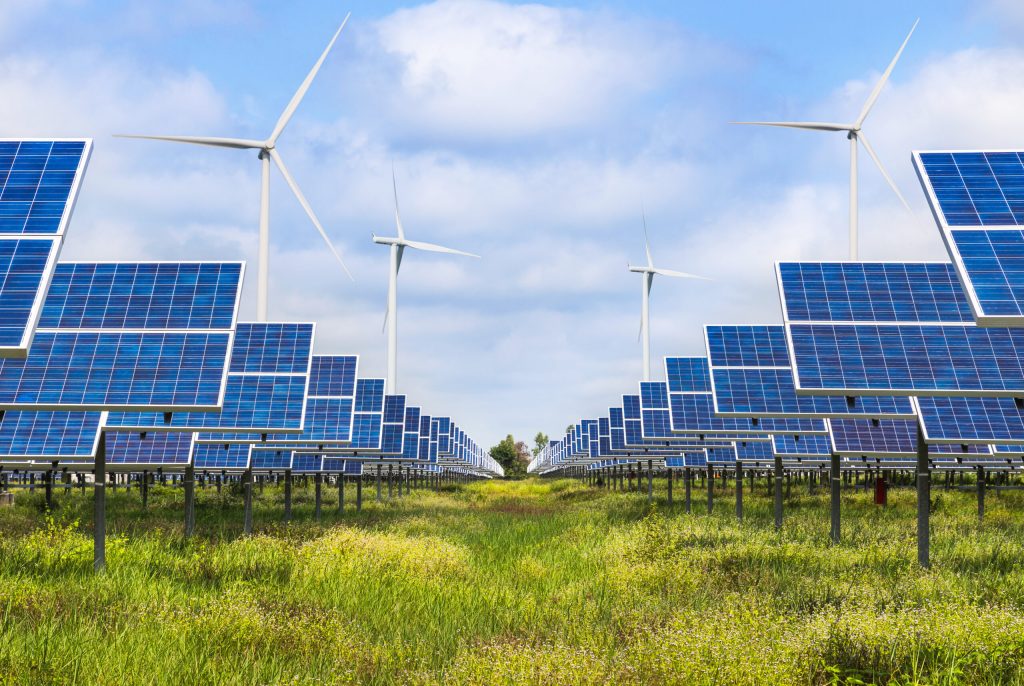
According to AEMO, the output from rooftop solar, wind, and grid-scale solar has all surged by double digits. This increase reflects not only the new capacity coming online but also improved wind conditions. Additionally, battery discharge has nearly tripled compared to a year ago, now reaching 286 megawatts.
As a result of these changes, coal and gas generation have collectively fallen below 50% of the overall generation mix. This shift has driven grid emissions to a record quarterly low of 23.4 million tons of CO2-equivalent, marking a significant environmental achievement.
This milestone coincides with Australia tightening its regulations for east-coast LNG exporters, following AEMO’s forecasts predicting gas shortages later this decade. The country is aiming for a 46% reduction in emissions by 2030 from 2005 levels and is striving to source 82% of its electricity from renewable sources by that time.
(Reporting by Helen Clark; editing by Thomas Derpinghaus)
Related:
Australia has achieved a significant clean energy milestone during the December quarter, as reported by the Australian Energy Market Operator (AEMO) on Thursday. This achievement comes despite a rise in power demand of over 2.2% compared to the previous year.
Notably, gas-fired generation has plummeted to its lowest level since 2000. Total electricity generation across the National Electricity Market (NEM) increased by 3.1% from a year earlier, reaching just over 25,000 megawatts. The contribution of renewable energy sources has also seen a remarkable rise, climbing by 5 percentage points from the previous year to surpass 50% of the total generation mix.
It’s important to note that the NEM does not encompass Western Australia or the Northern Territory. However, Western Australia has also reported an uptick in renewable energy usage alongside a decline in fossil fuel consumption. This shift occurs even as the state has decided to extend the operational life of a coal plant, driven by concerns over long-term energy security. In a related development, Origin Energy ORG.AX announced the same week that it would extend the life of a coal plant.
According to AEMO, the output from rooftop solar, wind, and grid-scale solar has all surged by double digits. This increase reflects not only the new capacity coming online but also improved wind conditions. Additionally, battery discharge has nearly tripled compared to a year ago, now reaching 286 megawatts.
As a result of these changes, coal and gas generation have collectively fallen below 50% of the overall generation mix. This shift has driven grid emissions to a record quarterly low of 23.4 million tons of CO2-equivalent, marking a significant environmental achievement.
This milestone coincides with Australia tightening its regulations for east-coast LNG exporters, following AEMO’s forecasts predicting gas shortages later this decade. The country is aiming for a 46% reduction in emissions by 2030 from 2005 levels and is striving to source 82% of its electricity from renewable sources by that time.
(Reporting by Helen Clark; editing by Thomas Derpinghaus)
Related: