Avalanche Strikes Ski Trip Organized by Global Mountain Adventure Company
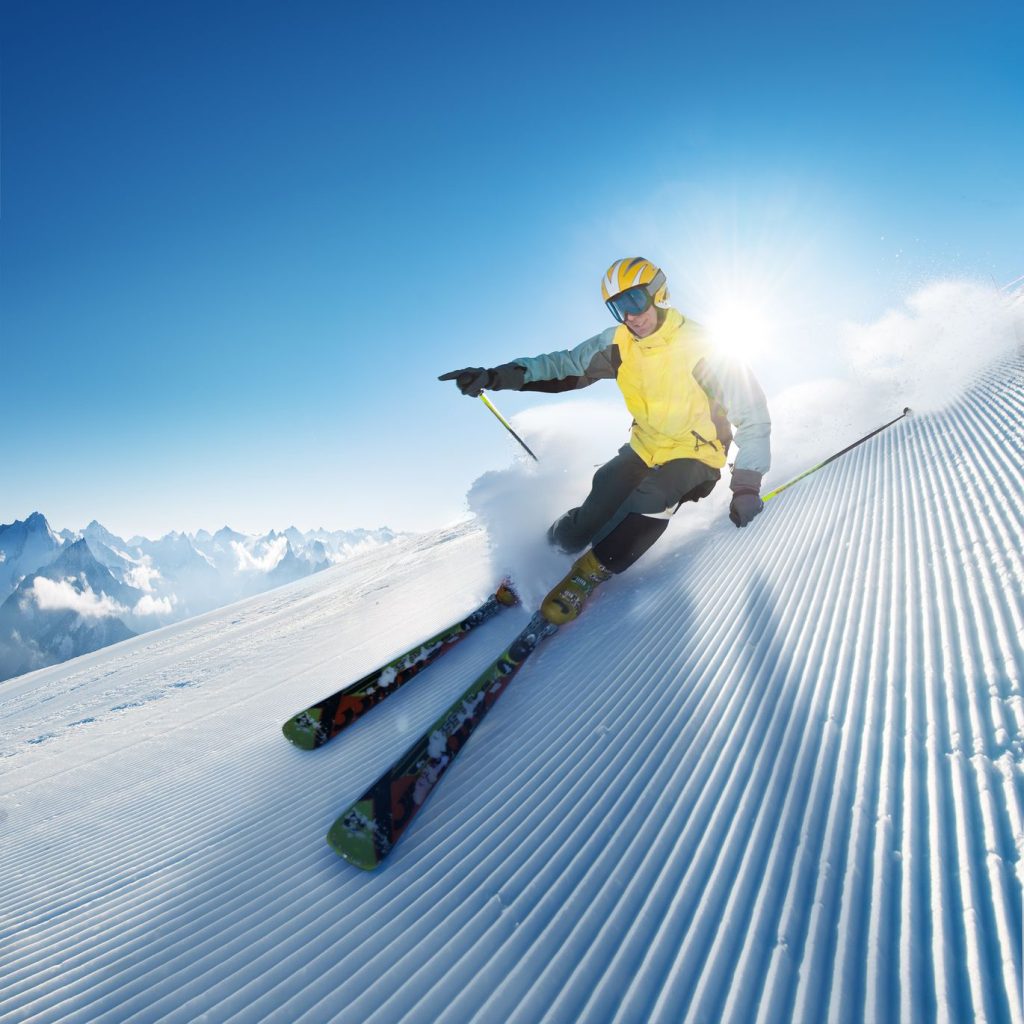
A group of 15 backcountry skiers embarked on a three-day adventure organized by Blackbird Mountain Guides, venturing into the untouched wilderness near Frog Lake in California’s Sierra Nevada. This expedition took place as a powerful winter storm was moving into the state, setting the stage for a tragic turn of events.
On Sunday, the skiers journeyed to remote huts located at an elevation of 7,600 feet (3,415 meters) in Tahoe National Forest, carrying their own food and supplies. Early that morning, at 6:49 a.m., the Sierra Avalanche Center issued an avalanche watch for the area, warning that large slides were likely within the next 24 to 48 hours.
By 5 a.m. on Tuesday, the day the group was scheduled to return to the trailhead, the watch was escalated to a warning. Just hours later, an avalanche struck near Castle Peak, trapping the skiers. Authorities reported that eight individuals lost their lives, while one person remained missing. Six skiers were rescued after enduring hours of sheltering in place as search teams battled blizzard conditions.
Nevada County Sheriff Shannan Moon stated that investigators were scrutinizing the decision to proceed with the trip despite the storm forecasts. It remains unclear whether the guides were aware of the avalanche warning as they made their way back to the trailhead.
“We’re still in conversation with them regarding the decision factors they considered,” Moon said during a Wednesday news conference announcing the fatalities.
Prior to the incident, Blackbird Mountain Guides had emphasized the expertise of its guides in handling extreme conditions and highlighted their avalanche education offerings. “If you’ve booked the Frog Lake Huts in Truckee, trust our guides to elevate your trip to the next level,” the company stated on its website. “We’ll navigate in and out of the huts, manage the risks, and find the best terrain and snow quality for you and your group!”
In a statement released on Tuesday, Blackbird Mountain Guides confirmed that it was cooperating with authorities and noted that three of its guides were among those who perished.
The company operates in California and Washington state, offering mountaineering and backcountry ski trips across the U.S. West Coast, as well as in Europe and Japan. They also provide safety courses, including wilderness skills and first aid.
The rugged terrain had been closed to the public for a century before the Truckee Donner Land Trust acquired it and opened the huts, which offer basic amenities such as sleeping pads, gas stoves, and flush toilets.
The tour, priced at $1,165.00 per person, was designed for intermediate-to-expert skiers with at least 20 days of backcountry experience, capable of climbing up to 2,500 vertical feet (760 meters) in a day. Guides carry first aid kits, while participants are required to bring their own ski equipment and avalanche gear, including a beacon, shovel, and probe.
“Generally, our guides are able to find excellent backcountry snow conditions, but often we need to travel through difficult conditions,” the website description noted, adding that participants must “be adept with their backcountry touring skills and have a solid foundation of touring before the trip.”
Experienced backcountry skiers can still navigate areas with significant snowfall, provided they are familiar with the topography and terrain. Brandon Mathis, a backcountry skier from Durango, Colorado, trained in avalanche safety, emphasized the importance of avoiding large groups in such conditions.
Mathis explained that there is no definitive rule regarding when avalanche risk makes a mountain too dangerous to traverse, but there are clear signs skiers should be vigilant about. “Things get serious, needless to say, out there. So knowledge is one of your best tools for safety,” he remarked.
The Sierra Avalanche Center indicated that rapidly accumulating snow on fragile snowpack layers, combined with strong winds, contributed to the perilous conditions that week. The town of Soda Springs, near the avalanche site, recorded at least 30 inches (76 centimeters) of snow within a 24-hour period, according to the Soda Springs Mountain Resort.
Anthony Pavlantos, owner of Utah-based Prival USA, which manufactures avalanche safety equipment and runs mountain safety programs, noted that heavy snowfall in a short time frame is a significant warning sign. He advised that the safest option is often to leave rather than hunker down. “High intensity snowfall in short amounts of time can increase the avalanche hazard rapidly,” he cautioned. “That new snow can slide on the old snow surface.”
Associated Press writers Julie Watson in San Diego, Safiyah Riddle in Montgomery, Alabama, and Corey Williams in Detroit contributed to this report.
Copyright 2026 Associated Press. All rights reserved. This material may not be published, broadcast, rewritten, or redistributed.
A group of 15 backcountry skiers embarked on a three-day adventure organized by Blackbird Mountain Guides, venturing into the untouched wilderness near Frog Lake in California’s Sierra Nevada. This expedition took place as a powerful winter storm was moving into the state, setting the stage for a tragic turn of events.
On Sunday, the skiers journeyed to remote huts located at an elevation of 7,600 feet (3,415 meters) in Tahoe National Forest, carrying their own food and supplies. Early that morning, at 6:49 a.m., the Sierra Avalanche Center issued an avalanche watch for the area, warning that large slides were likely within the next 24 to 48 hours.
By 5 a.m. on Tuesday, the day the group was scheduled to return to the trailhead, the watch was escalated to a warning. Just hours later, an avalanche struck near Castle Peak, trapping the skiers. Authorities reported that eight individuals lost their lives, while one person remained missing. Six skiers were rescued after enduring hours of sheltering in place as search teams battled blizzard conditions.
Nevada County Sheriff Shannan Moon stated that investigators were scrutinizing the decision to proceed with the trip despite the storm forecasts. It remains unclear whether the guides were aware of the avalanche warning as they made their way back to the trailhead.
“We’re still in conversation with them regarding the decision factors they considered,” Moon said during a Wednesday news conference announcing the fatalities.
Prior to the incident, Blackbird Mountain Guides had emphasized the expertise of its guides in handling extreme conditions and highlighted their avalanche education offerings. “If you’ve booked the Frog Lake Huts in Truckee, trust our guides to elevate your trip to the next level,” the company stated on its website. “We’ll navigate in and out of the huts, manage the risks, and find the best terrain and snow quality for you and your group!”
In a statement released on Tuesday, Blackbird Mountain Guides confirmed that it was cooperating with authorities and noted that three of its guides were among those who perished.
The company operates in California and Washington state, offering mountaineering and backcountry ski trips across the U.S. West Coast, as well as in Europe and Japan. They also provide safety courses, including wilderness skills and first aid.
The rugged terrain had been closed to the public for a century before the Truckee Donner Land Trust acquired it and opened the huts, which offer basic amenities such as sleeping pads, gas stoves, and flush toilets.
The tour, priced at $1,165.00 per person, was designed for intermediate-to-expert skiers with at least 20 days of backcountry experience, capable of climbing up to 2,500 vertical feet (760 meters) in a day. Guides carry first aid kits, while participants are required to bring their own ski equipment and avalanche gear, including a beacon, shovel, and probe.
“Generally, our guides are able to find excellent backcountry snow conditions, but often we need to travel through difficult conditions,” the website description noted, adding that participants must “be adept with their backcountry touring skills and have a solid foundation of touring before the trip.”
Experienced backcountry skiers can still navigate areas with significant snowfall, provided they are familiar with the topography and terrain. Brandon Mathis, a backcountry skier from Durango, Colorado, trained in avalanche safety, emphasized the importance of avoiding large groups in such conditions.
Mathis explained that there is no definitive rule regarding when avalanche risk makes a mountain too dangerous to traverse, but there are clear signs skiers should be vigilant about. “Things get serious, needless to say, out there. So knowledge is one of your best tools for safety,” he remarked.
The Sierra Avalanche Center indicated that rapidly accumulating snow on fragile snowpack layers, combined with strong winds, contributed to the perilous conditions that week. The town of Soda Springs, near the avalanche site, recorded at least 30 inches (76 centimeters) of snow within a 24-hour period, according to the Soda Springs Mountain Resort.
Anthony Pavlantos, owner of Utah-based Prival USA, which manufactures avalanche safety equipment and runs mountain safety programs, noted that heavy snowfall in a short time frame is a significant warning sign. He advised that the safest option is often to leave rather than hunker down. “High intensity snowfall in short amounts of time can increase the avalanche hazard rapidly,” he cautioned. “That new snow can slide on the old snow surface.”
Associated Press writers Julie Watson in San Diego, Safiyah Riddle in Montgomery, Alabama, and Corey Williams in Detroit contributed to this report.
Copyright 2026 Associated Press. All rights reserved. This material may not be published, broadcast, rewritten, or redistributed.