Average Home Construction Duration Reaches 13.7 Months in the US Due to Labor Shortages
Realtor.com senior economist Ralph McLaughlin emphasizes that homebuyers and sellers have “more time” than they think to secure favorable deals.
The average time to build a home in the U.S. can extend to nearly 14 months in certain regions, influenced by stringent regulations, labor shortages, and other construction constraints, according to data from the National Association of Home Builders (NAHB).
The Middle Atlantic region experiences the longest waiting period, with an average of 13.7 months from project approval to completion, based on 2024 data from the U.S. Census Bureau’s Survey of Construction (SOC).
New England closely follows, averaging just over 13 months. The Pacific region sees a completion time of about 10.8 months, while the Mountain region and East North Central region average 10 months and 9.4 months, respectively. Notably, these regions surpass the national average of 9.1 months.
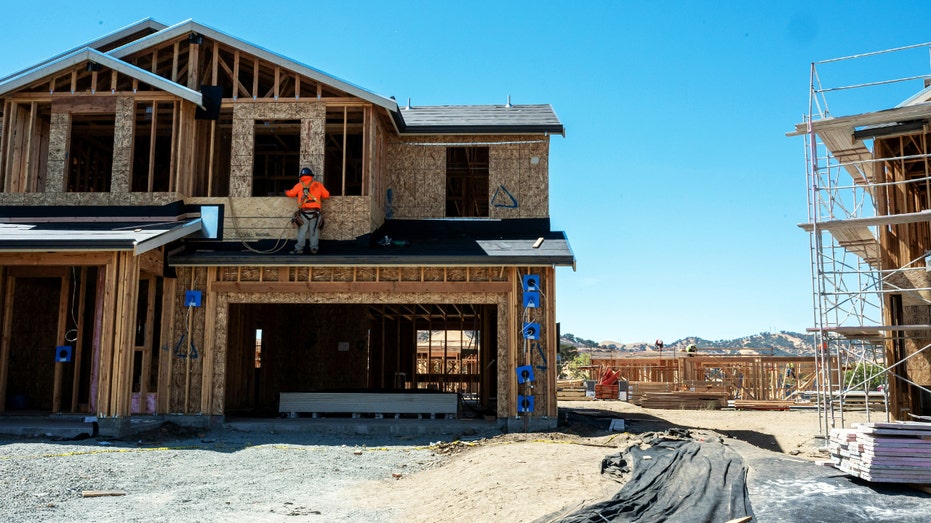
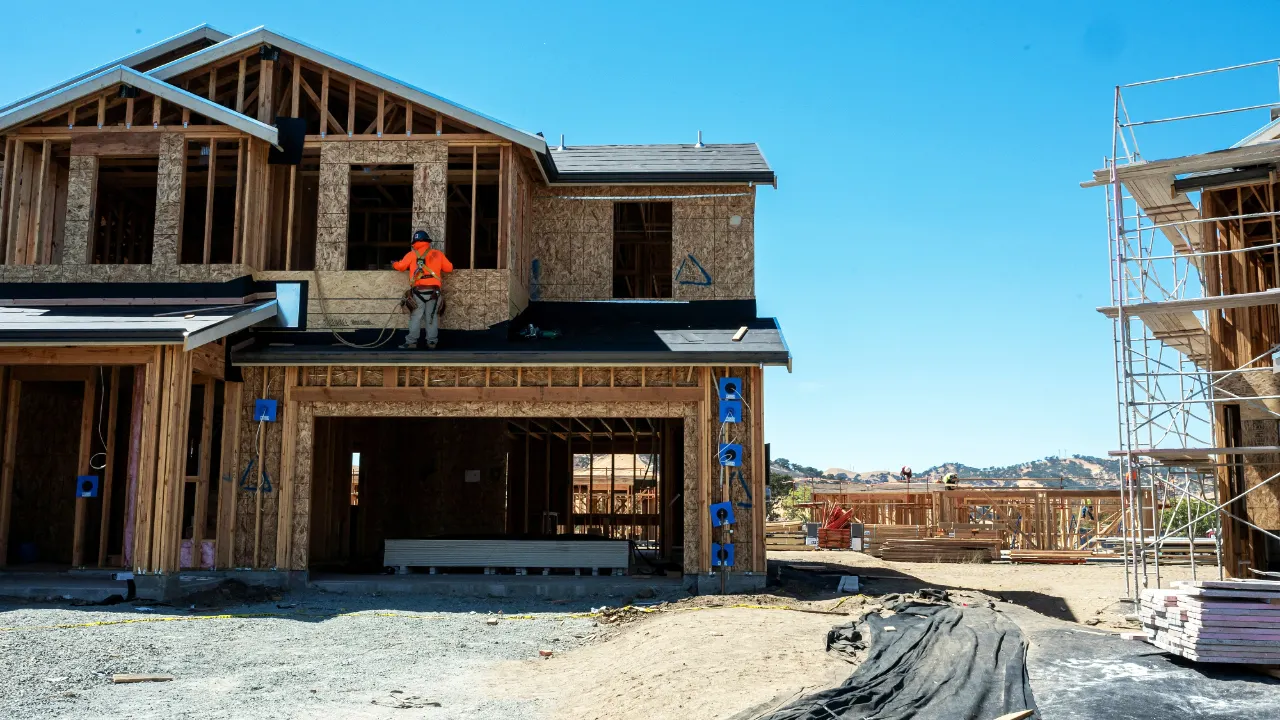
New homes under construction in Vacaville, California, on Sept. 3, 2025. (David Paul Morris/Bloomberg via Getty Images)
This data release comes as the housing market strives to enhance supply and alleviate affordability challenges faced by both sellers and potential homebuyers.
CALIFORNIA RESIDENTS FACE BRUTAL CHOICE ONE YEAR AFTER LOS ANGELES FIRES DESTROYED THEIR LIVES
The South Atlantic region boasts the shortest construction period, averaging just 7.8 months to complete a home. The waiting period from permit approval to construction start also varies significantly, with the East North Central region taking only 0.9 months, while the Pacific region averages 2.1 months.
Realtor.com senior economist Joel Berner shared with FOX Business that the “regulatory environment is the big story here.” The process of obtaining permits in areas like the Northeast, Mid-Atlantic, and Pacific is considerably longer compared to the more permissive middle of the country.
THESE 10 MARKETS MAY SEE THE BIGGEST HOMEBUYING SURGE AS MORTGAGE RATES FALL
“This is largely due to zoning and environmental regulations,” Berner explained. California serves as a prime example, while the Northeast faces complicated zoning that makes it challenging for builders to initiate projects.
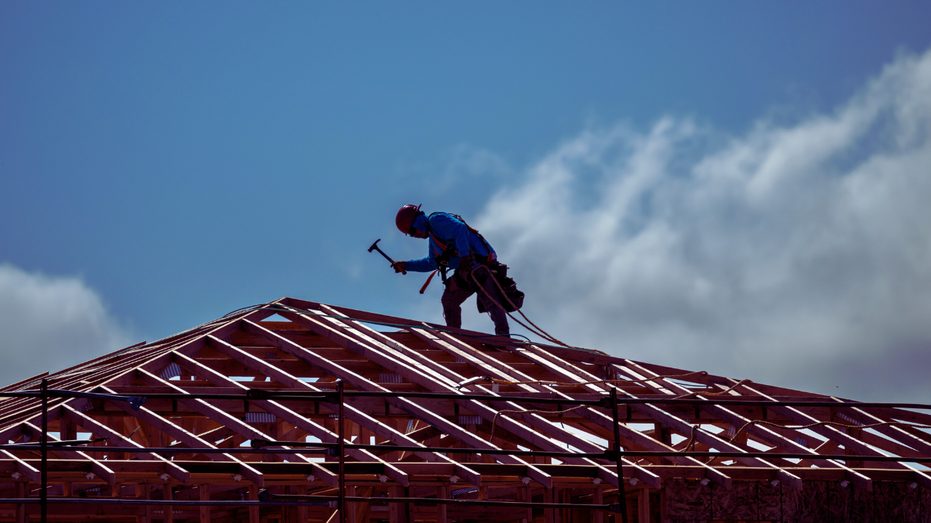
The shortest construction period is in the South Atlantic region, where it takes an average of 7.8 months to complete a home. (David Paul Morris/Bloomberg/Getty Images)
Berner attributes the lengthy process to the “number of pages of legislation about what can be built where,” along with overlapping jurisdictions among counties and municipalities. For instance, Houston is often cited as a model for minimal zoning regulations.
HOUSING AFFORDABILITY CRISIS HAMMERING RURAL AMERICA
In essence, there are “more hoops to jump through” in regions like the Northeast compared to areas such as the West South Central. The complex zoning requirements deter developers, exacerbating challenges in a market already facing tight supply. This limited supply is a key factor in driving up prices and rents.
The Northeast, known for its intricate regulatory environment, also grapples with significant housing shortages.
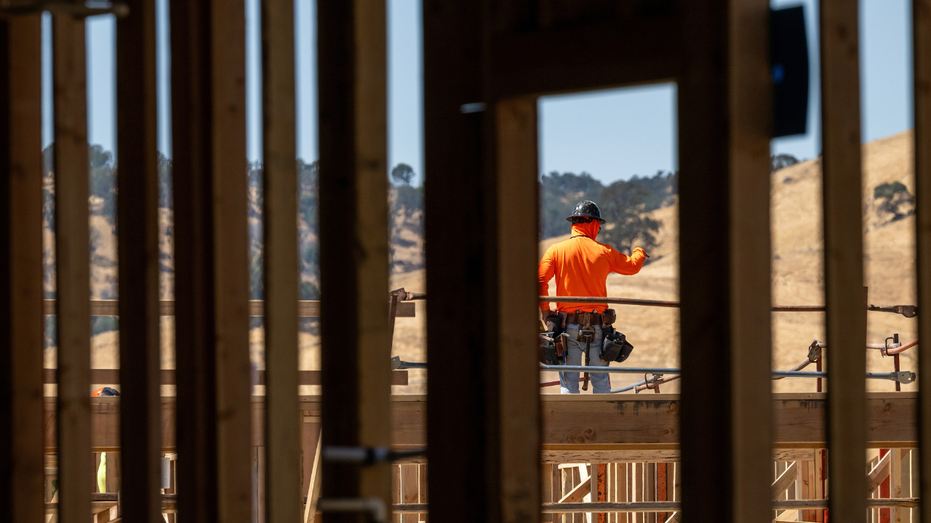
The Northeast is one of the areas with the largest housing shortages. (David Paul Morris/Bloomberg/Getty Images)
If local governments removed these artificial barriers, Berner believes builders would be more inclined to construct homes in the Northeast, as it would be more profitable for them.
GET FOX BUSINESS ON THE GO BY CLICKING HERE
In addition to regulatory restrictions, Berner noted that regions like the Northeast and Pacific often favor custom construction over standardized, large-scale homebuilding. “This type of inventory takes longer to build than constructing multiple similar homes in a suburban setting,” he added.
Realtor.com senior economist Ralph McLaughlin emphasizes that homebuyers and sellers have “more time” than they think to secure favorable deals.
The average time to build a home in the U.S. can extend to nearly 14 months in certain regions, influenced by stringent regulations, labor shortages, and other construction constraints, according to data from the National Association of Home Builders (NAHB).
The Middle Atlantic region experiences the longest waiting period, with an average of 13.7 months from project approval to completion, based on 2024 data from the U.S. Census Bureau’s Survey of Construction (SOC).
New England closely follows, averaging just over 13 months. The Pacific region sees a completion time of about 10.8 months, while the Mountain region and East North Central region average 10 months and 9.4 months, respectively. Notably, these regions surpass the national average of 9.1 months.
New homes under construction in Vacaville, California, on Sept. 3, 2025. (David Paul Morris/Bloomberg via Getty Images)
This data release comes as the housing market strives to enhance supply and alleviate affordability challenges faced by both sellers and potential homebuyers.
CALIFORNIA RESIDENTS FACE BRUTAL CHOICE ONE YEAR AFTER LOS ANGELES FIRES DESTROYED THEIR LIVES
The South Atlantic region boasts the shortest construction period, averaging just 7.8 months to complete a home. The waiting period from permit approval to construction start also varies significantly, with the East North Central region taking only 0.9 months, while the Pacific region averages 2.1 months.
Realtor.com senior economist Joel Berner shared with FOX Business that the “regulatory environment is the big story here.” The process of obtaining permits in areas like the Northeast, Mid-Atlantic, and Pacific is considerably longer compared to the more permissive middle of the country.
THESE 10 MARKETS MAY SEE THE BIGGEST HOMEBUYING SURGE AS MORTGAGE RATES FALL
“This is largely due to zoning and environmental regulations,” Berner explained. California serves as a prime example, while the Northeast faces complicated zoning that makes it challenging for builders to initiate projects.
The shortest construction period is in the South Atlantic region, where it takes an average of 7.8 months to complete a home. (David Paul Morris/Bloomberg/Getty Images)
Berner attributes the lengthy process to the “number of pages of legislation about what can be built where,” along with overlapping jurisdictions among counties and municipalities. For instance, Houston is often cited as a model for minimal zoning regulations.
HOUSING AFFORDABILITY CRISIS HAMMERING RURAL AMERICA
In essence, there are “more hoops to jump through” in regions like the Northeast compared to areas such as the West South Central. The complex zoning requirements deter developers, exacerbating challenges in a market already facing tight supply. This limited supply is a key factor in driving up prices and rents.
The Northeast, known for its intricate regulatory environment, also grapples with significant housing shortages.
The Northeast is one of the areas with the largest housing shortages. (David Paul Morris/Bloomberg/Getty Images)
If local governments removed these artificial barriers, Berner believes builders would be more inclined to construct homes in the Northeast, as it would be more profitable for them.
GET FOX BUSINESS ON THE GO BY CLICKING HERE
In addition to regulatory restrictions, Berner noted that regions like the Northeast and Pacific often favor custom construction over standardized, large-scale homebuilding. “This type of inventory takes longer to build than constructing multiple similar homes in a suburban setting,” he added.