Bayer Plans $10.5 Billion Investment to Resolve Roundup Litigation
Bayer AG is preparing to announce a significant $10.5 billion settlement initiative aimed at resolving ongoing and future cancer lawsuits related to its widely used Roundup weedkiller, according to sources familiar with the situation.
The German multinational is expected to propose a $7.5 billion class-action settlement concerning cases filed in Missouri state court. This settlement is designed to address both existing Roundup lawsuits and potential claims that may arise over the next two decades. The sources, who requested anonymity due to the sensitive nature of the discussions, indicated that this plan is a critical step for Bayer.
In addition to the class-action settlement, Bayer is also likely to announce $3 billion in settlements for current U.S. cases where former Roundup users allege that the herbicide has caused their non-Hodgkin lymphoma. This dual approach underscores Bayer’s commitment to resolving the litigation that has plagued the company since its acquisition of Monsanto for $66 billion, which brought with it a host of legal challenges.
Since then, Bayer has already paid over $10 billion in verdicts and settlements related to Roundup and its active ingredient, glyphosate. The ongoing litigation has left a shadow over Bayer’s financial performance, with approximately 67,000 claims still pending from plaintiffs who assert that long-term exposure to glyphosate has led to their cancer diagnoses. Despite these claims, Bayer maintains that Roundup is safe, citing findings from the U.S. Food and Drug Administration that classify the herbicide as non-carcinogenic.
Recently, Bayer’s legal strategy took a turn when the U.S. Supreme Court agreed to hear its appeal regarding a $1.25 million jury verdict from Missouri against its Monsanto unit. The appeal argues that some claims in the 2023 case were preempted by federal law, which could significantly impact the ongoing litigation landscape.
The weight of these legal challenges has prompted Bayer’s CEO, Bill Anderson, to consider whether the company should cease production of glyphosate altogether. This potential shift reflects the serious implications of the Roundup lawsuits on Bayer’s reputation and financial stability.
Bayer officials in the U.S. did not respond immediately to inquiries regarding the settlement efforts as of Tuesday.
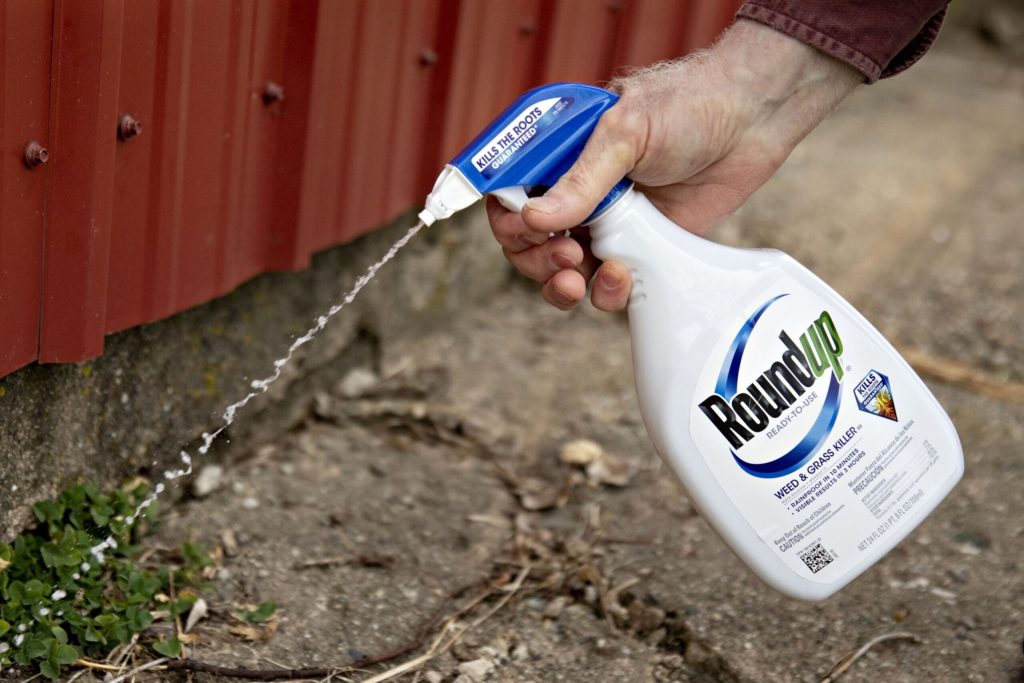
Photo: Weeds are sprayed with a bottle of Roundup brand weedkiller. Photo credit: Daniel Acker/Bloomberg
Copyright 2026 Bloomberg.
Was this article valuable?
Here are more articles you may enjoy.
The most important insurance news, in your inbox every business day.
Get the insurance industry’s trusted newsletter
Bayer AG is preparing to announce a significant $10.5 billion settlement initiative aimed at resolving ongoing and future cancer lawsuits related to its widely used Roundup weedkiller, according to sources familiar with the situation.
The German multinational is expected to propose a $7.5 billion class-action settlement concerning cases filed in Missouri state court. This settlement is designed to address both existing Roundup lawsuits and potential claims that may arise over the next two decades. The sources, who requested anonymity due to the sensitive nature of the discussions, indicated that this plan is a critical step for Bayer.
In addition to the class-action settlement, Bayer is also likely to announce $3 billion in settlements for current U.S. cases where former Roundup users allege that the herbicide has caused their non-Hodgkin lymphoma. This dual approach underscores Bayer’s commitment to resolving the litigation that has plagued the company since its acquisition of Monsanto for $66 billion, which brought with it a host of legal challenges.
Since then, Bayer has already paid over $10 billion in verdicts and settlements related to Roundup and its active ingredient, glyphosate. The ongoing litigation has left a shadow over Bayer’s financial performance, with approximately 67,000 claims still pending from plaintiffs who assert that long-term exposure to glyphosate has led to their cancer diagnoses. Despite these claims, Bayer maintains that Roundup is safe, citing findings from the U.S. Food and Drug Administration that classify the herbicide as non-carcinogenic.
Recently, Bayer’s legal strategy took a turn when the U.S. Supreme Court agreed to hear its appeal regarding a $1.25 million jury verdict from Missouri against its Monsanto unit. The appeal argues that some claims in the 2023 case were preempted by federal law, which could significantly impact the ongoing litigation landscape.
The weight of these legal challenges has prompted Bayer’s CEO, Bill Anderson, to consider whether the company should cease production of glyphosate altogether. This potential shift reflects the serious implications of the Roundup lawsuits on Bayer’s reputation and financial stability.
Bayer officials in the U.S. did not respond immediately to inquiries regarding the settlement efforts as of Tuesday.
Photo: Weeds are sprayed with a bottle of Roundup brand weedkiller. Photo credit: Daniel Acker/Bloomberg
Copyright 2026 Bloomberg.
Was this article valuable?
Here are more articles you may enjoy.
The most important insurance news, in your inbox every business day.
Get the insurance industry’s trusted newsletter