Buyers Turn Away from ‘McMansions’: The Shift Away from Excessive Scale in Today’s Housing Market
PMG Affordable principal Dan Coakley speaks to Fox News Digital about what it may take to make housing affordable again across the country.
The “McMansion” is officially transitioning from a status symbol to a liability.
Two decades after the 2006 housing boom, new data from Zillow indicates a significant shift in the American Dream: Buyers are moving away from “wasted scale” and extravagant designs in favor of high-efficiency “sanctuaries.”
As insurance premiums and property taxes continue to rise, real estate experts caution that the oversized estates from the mid-2000s are becoming financial burdens for homeowners who do not adapt. “The appetite for space hasn’t disappeared, but the definition of value has evolved,” said Catena Homes principal Harrison Polsky. “Buyers still want room for family, entertaining, and flexibility. What they don’t want is excess without purpose.”
HOUSING MARKET COOLS AS PRICE GROWTH HITS SLOWEST PACE SINCE GREAT RECESSION RECOVERY
Polsky elaborated, “With rising insurance costs in Texas and higher property taxes, a 5,000-plus-square-foot home that isn’t energy efficient or thoughtfully designed can absolutely feel like a liability. However, a well-built, high-performance home of that size with strong insulation, efficient systems, and a functional layout still represents the American Dream.” He emphasized that the shift is not away from scale entirely; rather, it is a move away from unnecessary scale.
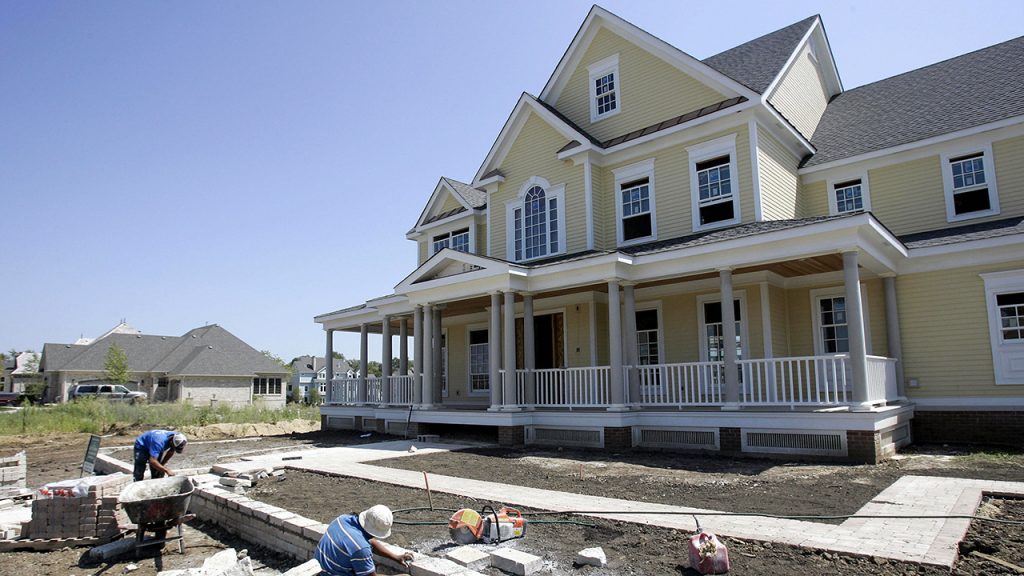
Construction workers build a new home in August 2006 in a new subdivision in Sugar Grove, Illinois, a suburb outside of Chicago. (Getty Images)
In Palm Beach County, the appeal of scale remains strong, especially in waterfront and estate communities. However, soaring insurance costs in Florida have altered buyer behavior. RWB Construction Management founder Robert Burrage noted, “A 6,000 or 7,000-square-foot home built in 2006 without impact glass, elevated construction, modern roofing, and generator systems can absolutely feel like financial exposure.” He added that buyers are willing to pay for size, but only if it’s engineered for resilience.
Reflecting on the past, luxury in 2006 was defined by granite and mahogany. Fast forward to 2026, and Zillow reports a rise in demand for pickleball courts and golf simulators (up 25%), whole-home batteries (up 40%), and zero-energy-ready homes (up 70%).
“Resilience and lifestyle go hand in hand,” Burrage stated. “Whole-home generators, battery storage, hurricane-rated systems, smart-home integration, and expansive outdoor living are now expected.”
These large 2006 California homes look identical in size, make, and color. | Getty Images
“A large home without those features narrows the buyer pool significantly,” Burrage explained. “Conversely, a slightly smaller but technologically advanced home designed for indoor-outdoor living often performs better in terms of demand and pricing.”
Polsky agreed, stating, “Today’s buyers are far more educated about operating costs and long-term durability. In this market, lifestyle infrastructure and sustainability are no longer bonuses; they are baseline expectations.”
Resale advice has shifted dramatically. Previously, the mantra was to “keep it beige.” Now, Zillow finds that buyers are willing to pay more for olive green and charcoal gray, with mentions of “color drenching” up 149%. The once-popular “beige box” of the mid-2000s is now a harder sell.
Serhant. founder & CEO Ryan Serhant shares his perspective on the housing market on ‘The Claman Countdown.’
Polsky noted, “The sterile beige spec home from the mid-2000s definitely feels dated. Buyers today respond to depth and personality, but it has to be curated. We’re encouraging sellers to modernize with warmer neutrals, layered textures, and intentional color moments. ‘Safe’ used to mean blank; now safe means thoughtfully designed. Homes lacking character tend to photograph poorly and sit on the market longer.”
Burrage added, “Buyers want lighter, organic palettes with architectural texture and contrast. We’re advising our clients who are building with us to keep interiors fresh and light strategically. A thoughtful design can materially impact buyer perception and final sales price.”
As millennials and Gen X become the primary buying force, they are rejecting the norms of what once was. Both experts affirmed that the market is witnessing a permanent cultural shift in the definition of “luxury.”
GET FOX BUSINESS ON THE GO BY CLICKING HERE
‘The Big Money Show’ discusses why millions of American homeowners are not selling.
Burrage advised, “Boomers selling older estates should strongly consider modernizing systems and aesthetics. Buyers are comparing them to newly built coastal homes engineered for climate durability and lower operating risk.” Polsky echoed this sentiment, stating, “Boomers selling 2006-era estates need to understand that today’s buyers compare everything to new construction with modern infrastructure. Updating mechanical systems, improving energy performance, and refreshing interiors before listing can dramatically improve positioning.” He concluded, “The American Dream hasn’t gone away; it’s simply become more intentional. Buyers want homes that support how they live, not just how they’re seen.”
PMG Affordable principal Dan Coakley speaks to Fox News Digital about what it may take to make housing affordable again across the country.
The “McMansion” is officially transitioning from a status symbol to a liability.
Two decades after the 2006 housing boom, new data from Zillow indicates a significant shift in the American Dream: Buyers are moving away from “wasted scale” and extravagant designs in favor of high-efficiency “sanctuaries.”
As insurance premiums and property taxes continue to rise, real estate experts caution that the oversized estates from the mid-2000s are becoming financial burdens for homeowners who do not adapt. “The appetite for space hasn’t disappeared, but the definition of value has evolved,” said Catena Homes principal Harrison Polsky. “Buyers still want room for family, entertaining, and flexibility. What they don’t want is excess without purpose.”
HOUSING MARKET COOLS AS PRICE GROWTH HITS SLOWEST PACE SINCE GREAT RECESSION RECOVERY
Polsky elaborated, “With rising insurance costs in Texas and higher property taxes, a 5,000-plus-square-foot home that isn’t energy efficient or thoughtfully designed can absolutely feel like a liability. However, a well-built, high-performance home of that size with strong insulation, efficient systems, and a functional layout still represents the American Dream.” He emphasized that the shift is not away from scale entirely; rather, it is a move away from unnecessary scale.
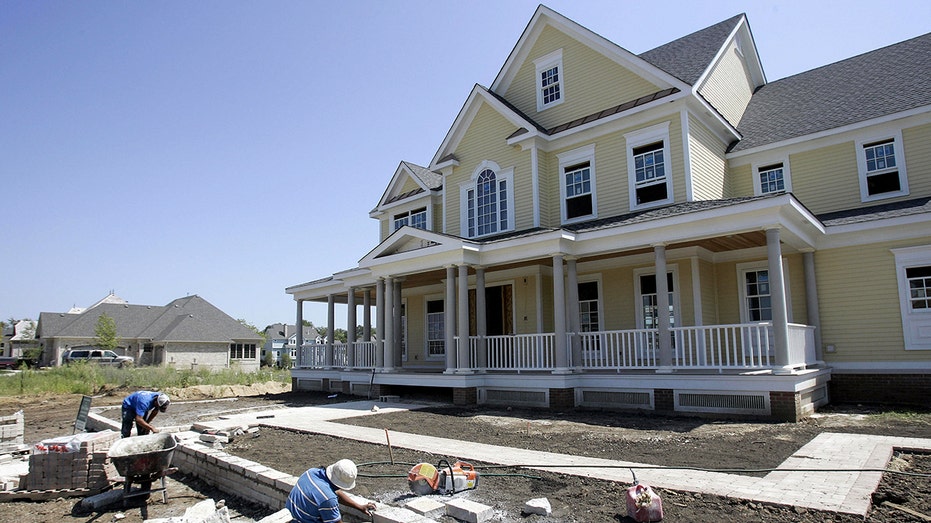
Construction workers build a new home in August 2006 in a new subdivision in Sugar Grove, Illinois, a suburb outside of Chicago. (Getty Images)
In Palm Beach County, the appeal of scale remains strong, especially in waterfront and estate communities. However, soaring insurance costs in Florida have altered buyer behavior. RWB Construction Management founder Robert Burrage noted, “A 6,000 or 7,000-square-foot home built in 2006 without impact glass, elevated construction, modern roofing, and generator systems can absolutely feel like financial exposure.” He added that buyers are willing to pay for size, but only if it’s engineered for resilience.
Reflecting on the past, luxury in 2006 was defined by granite and mahogany. Fast forward to 2026, and Zillow reports a rise in demand for pickleball courts and golf simulators (up 25%), whole-home batteries (up 40%), and zero-energy-ready homes (up 70%).
“Resilience and lifestyle go hand in hand,” Burrage stated. “Whole-home generators, battery storage, hurricane-rated systems, smart-home integration, and expansive outdoor living are now expected.”
These large 2006 California homes look identical in size, make, and color. | Getty Images
“A large home without those features narrows the buyer pool significantly,” Burrage explained. “Conversely, a slightly smaller but technologically advanced home designed for indoor-outdoor living often performs better in terms of demand and pricing.”
Polsky agreed, stating, “Today’s buyers are far more educated about operating costs and long-term durability. In this market, lifestyle infrastructure and sustainability are no longer bonuses; they are baseline expectations.”
Resale advice has shifted dramatically. Previously, the mantra was to “keep it beige.” Now, Zillow finds that buyers are willing to pay more for olive green and charcoal gray, with mentions of “color drenching” up 149%. The once-popular “beige box” of the mid-2000s is now a harder sell.
Serhant. founder & CEO Ryan Serhant shares his perspective on the housing market on ‘The Claman Countdown.’
Polsky noted, “The sterile beige spec home from the mid-2000s definitely feels dated. Buyers today respond to depth and personality, but it has to be curated. We’re encouraging sellers to modernize with warmer neutrals, layered textures, and intentional color moments. ‘Safe’ used to mean blank; now safe means thoughtfully designed. Homes lacking character tend to photograph poorly and sit on the market longer.”
Burrage added, “Buyers want lighter, organic palettes with architectural texture and contrast. We’re advising our clients who are building with us to keep interiors fresh and light strategically. A thoughtful design can materially impact buyer perception and final sales price.”
As millennials and Gen X become the primary buying force, they are rejecting the norms of what once was. Both experts affirmed that the market is witnessing a permanent cultural shift in the definition of “luxury.”
GET FOX BUSINESS ON THE GO BY CLICKING HERE
‘The Big Money Show’ discusses why millions of American homeowners are not selling.
Burrage advised, “Boomers selling older estates should strongly consider modernizing systems and aesthetics. Buyers are comparing them to newly built coastal homes engineered for climate durability and lower operating risk.” Polsky echoed this sentiment, stating, “Boomers selling 2006-era estates need to understand that today’s buyers compare everything to new construction with modern infrastructure. Updating mechanical systems, improving energy performance, and refreshing interiors before listing can dramatically improve positioning.” He concluded, “The American Dream hasn’t gone away; it’s simply become more intentional. Buyers want homes that support how they live, not just how they’re seen.”