China Directs Local Firms to Cease Use of US Cybersecurity Software: Report
FOX Business’ Madison Alworth joins ‘Mornings with Maria’ to report on the intensifying global AI arms race as China works to close the gap with the United States.
In a significant move, Chinese authorities have reportedly instructed domestic companies to cease the use of cybersecurity software from over a dozen U.S. and Israeli firms, citing national security concerns. This directive reflects Beijing’s growing apprehension regarding the potential for sensitive data collection and transmission overseas, as reported by Reuters.
The list of targeted companies includes notable American firms such as VMware, Palo Alto Networks, and Fortinet, alongside Israeli companies like Check Point Software Technologies. According to sources familiar with the matter, this ban aims to mitigate risks associated with foreign software.
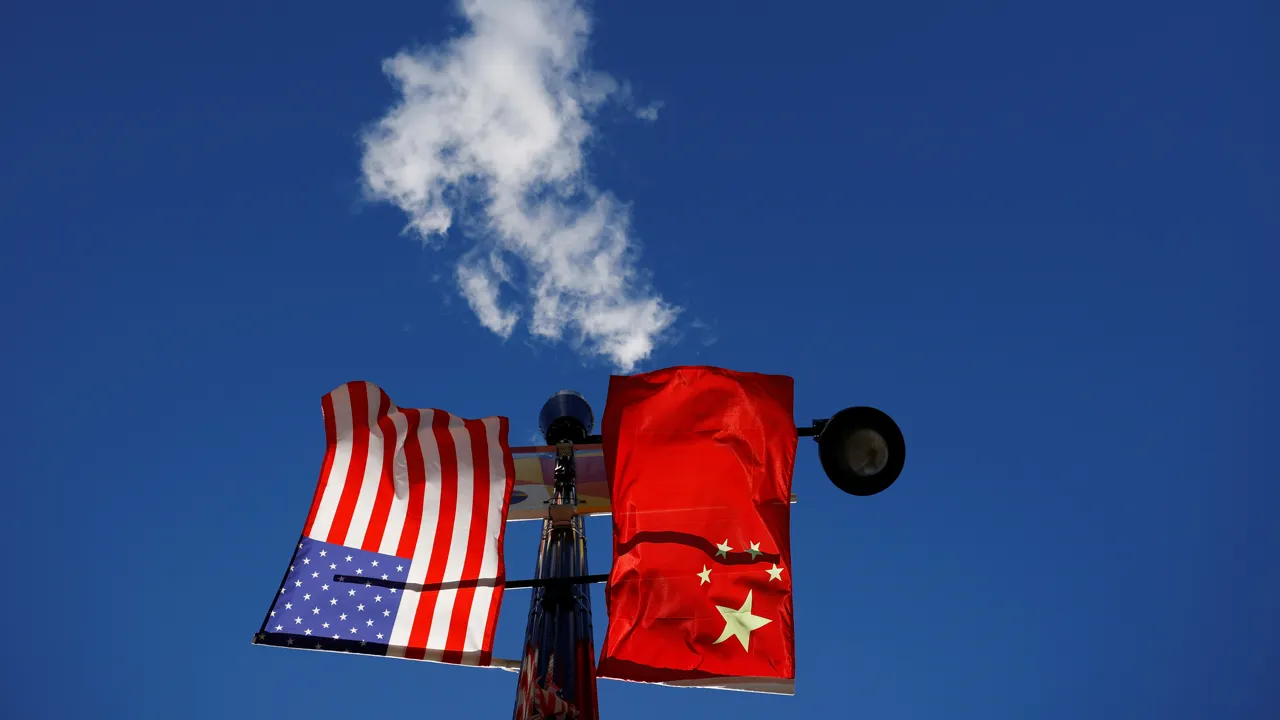
The flags of the U.S. and China fly from a lamppost in the Chinatown neighborhood of Boston Nov. 1, 2021. (Brian Snyder/File photo/Reuters)
PIRRO ANNOUNCES SCAM CENTER STRIKE FORCE TO TARGET CHINESE ORGANIZED CRIME
Additionally, the software of Mandiant and Wiz, owned by Alphabet, has also been banned, along with U.S. companies such as CrowdStrike, SentinelOne, Recorded Future, McAfee, Claroty, and Rapid7, according to Reuters. Israeli cybersecurity firm CyberArk, along with Orca Security and Cato Networks, has also been included in this list. Imperva, owned by French defense company Thales, is another notable mention.

In this photo illustration, an Alphabet logo is displayed on the screen of a smartphone. (Sheldon Cooper/SOPA Images/LightRocket via Getty Images)
As tensions rise between China and the West over Beijing’s ambitions to expand its chip and AI industries, China is actively seeking to replace Western-made technology with its own alternatives. This strategic shift is part of a broader effort to enhance national security and technological independence.
In a related development, the U.S. and China are preparing for a visit by President Donald Trump to Beijing in April, as reported by Reuters. Earlier this week, the Trump administration formally approved Nvidia exports, allowing the tech giant to ship its artificial intelligence chips to China and other countries.
GOOGLE LAUNCHES DUAL LEGAL AND LEGISLATIVE STRATEGY TO COMBAT INTERNATIONAL CYBER SCAMS
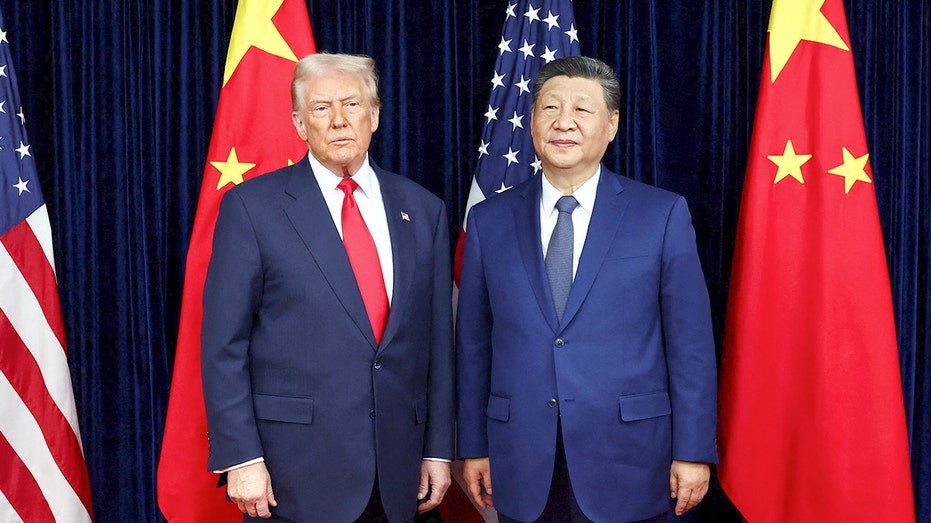
President Donald Trump and Chinese President Xi Jinping stand next to each other during a meeting at Gimhae International Airport on the sidelines of the Asia-Pacific Economic Cooperation summit in Busan, South Korea, Oct. 30, 2025. (Evelyn Hockstein/Reuters)
GET FOX BUSINESS ON THE GO BY CLICKING HERE
In a new rule set to be published on January 15, the Commerce Department is easing U.S. export restrictions on China for Nvidia’s H200 chip, a move that President Trump announced last month. An Nvidia spokesperson expressed support for this decision, stating, “We applaud President Trump’s decision to allow America’s chip industry to compete to support high-paying jobs and manufacturing in America. Offering H200 to approved commercial customers, vetted by the Department of Commerce, strikes a thoughtful balance that is great for America.”
FOX Business’ Michael Sinkewicz contributed to this report.
FOX Business’ Madison Alworth joins ‘Mornings with Maria’ to report on the intensifying global AI arms race as China works to close the gap with the United States.
In a significant move, Chinese authorities have reportedly instructed domestic companies to cease the use of cybersecurity software from over a dozen U.S. and Israeli firms, citing national security concerns. This directive reflects Beijing’s growing apprehension regarding the potential for sensitive data collection and transmission overseas, as reported by Reuters.
The list of targeted companies includes notable American firms such as VMware, Palo Alto Networks, and Fortinet, alongside Israeli companies like Check Point Software Technologies. According to sources familiar with the matter, this ban aims to mitigate risks associated with foreign software.
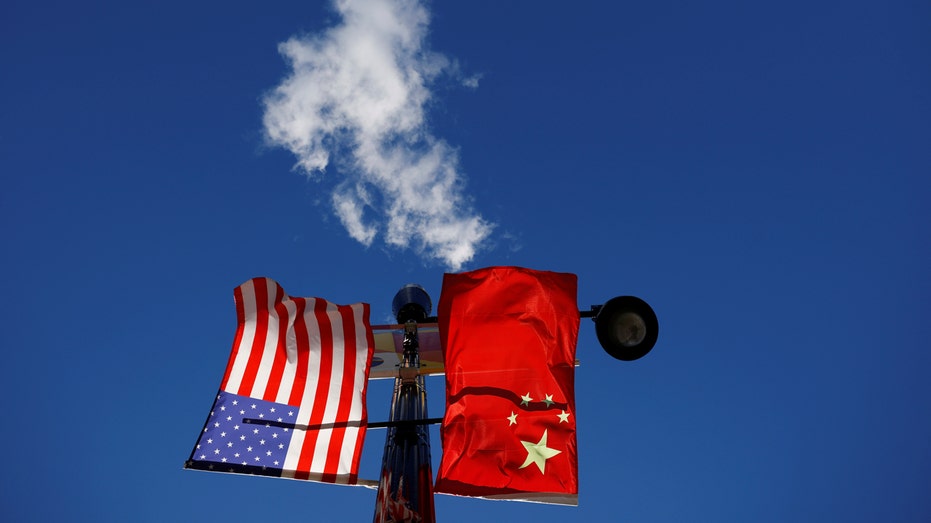
The flags of the U.S. and China fly from a lamppost in the Chinatown neighborhood of Boston Nov. 1, 2021. (Brian Snyder/File photo/Reuters)
PIRRO ANNOUNCES SCAM CENTER STRIKE FORCE TO TARGET CHINESE ORGANIZED CRIME
Additionally, the software of Mandiant and Wiz, owned by Alphabet, has also been banned, along with U.S. companies such as CrowdStrike, SentinelOne, Recorded Future, McAfee, Claroty, and Rapid7, according to Reuters. Israeli cybersecurity firm CyberArk, along with Orca Security and Cato Networks, has also been included in this list. Imperva, owned by French defense company Thales, is another notable mention.
In this photo illustration, an Alphabet logo is displayed on the screen of a smartphone. (Sheldon Cooper/SOPA Images/LightRocket via Getty Images)
As tensions rise between China and the West over Beijing’s ambitions to expand its chip and AI industries, China is actively seeking to replace Western-made technology with its own alternatives. This strategic shift is part of a broader effort to enhance national security and technological independence.
In a related development, the U.S. and China are preparing for a visit by President Donald Trump to Beijing in April, as reported by Reuters. Earlier this week, the Trump administration formally approved Nvidia exports, allowing the tech giant to ship its artificial intelligence chips to China and other countries.
GOOGLE LAUNCHES DUAL LEGAL AND LEGISLATIVE STRATEGY TO COMBAT INTERNATIONAL CYBER SCAMS
President Donald Trump and Chinese President Xi Jinping stand next to each other during a meeting at Gimhae International Airport on the sidelines of the Asia-Pacific Economic Cooperation summit in Busan, South Korea, Oct. 30, 2025. (Evelyn Hockstein/Reuters)
GET FOX BUSINESS ON THE GO BY CLICKING HERE
In a new rule set to be published on January 15, the Commerce Department is easing U.S. export restrictions on China for Nvidia’s H200 chip, a move that President Trump announced last month. An Nvidia spokesperson expressed support for this decision, stating, “We applaud President Trump’s decision to allow America’s chip industry to compete to support high-paying jobs and manufacturing in America. Offering H200 to approved commercial customers, vetted by the Department of Commerce, strikes a thoughtful balance that is great for America.”
FOX Business’ Michael Sinkewicz contributed to this report.