China Mandates Cereulide Testing Amid Nestle and Danone Recall Concerns
China’s market regulator has mandated that infant formula manufacturers conduct tests for cereulide, a toxin that has led to precautionary recalls globally by some of the largest food companies.
In a statement released on Thursday, the State Administration for Market Regulation emphasized that producers must rigorously enforce controls over raw materials and product releases. Local governments have been directed to enhance oversight of safety and quality standards, although it is noteworthy that no poisoning cases linked to infant formula have been reported in China.
The urgency of this directive follows Nestle SA’s detection of cereulide in baby formula, which was traced back to ARA oil sourced from an unnamed company. Sources familiar with the situation have since identified the supplier as Cabio Biotech Wuhan Co., resulting in a significant 16% drop in its shares this year.
Cabio has emerged as one of the largest producers of ARA globally, supplying not only Nestle and Danone SA but also local formula manufacturers such as China Feihe Ltd. and Junlebao Dairy Group Co. This growth has disrupted the previously established monopoly held by Dutch chemical maker DSM-Firmenich AG over the ingredient, thereby fragmenting the global infant formula supply chain.
China’s enhanced regulatory measures are aimed at maintaining investor and consumer confidence, especially given the pivotal role of a Chinese supplier in the global infant formula market.
Authorities had previously urged Nestle to recall specific batches sold in mainland China after the toxin was detected, which can lead to food-borne illnesses such as vomiting. In January, Nestle expanded its recall beyond Europe to include parts of Asia and the Americas, while Danone and other producers also withdrew products across multiple countries.
This latest order from regulators signifies a step towards tightening oversight by establishing clearer requirements for cereulide testing. Although manufacturers have reported no confirmed illnesses linked to the recalls, investigations into potential cases are ongoing in several countries.
The fallout from these recalls could impact the reputations of both Nestle and Danone, potentially accelerating stricter regulations throughout the global infant formula supply chain.
Despite these challenges, market reactions appear to be stable. On Thursday, Danone shares increased by 4.72%, while Nestle saw a gain of 1.39% following China’s confirmation of no poisoning cases and the absence of additional recalls.
“We believe the market has already priced in the impact of Nestlé’s global recalls, and we can hopefully now move on,” noted Barclays analyst Warren Ackerman in a recent report.
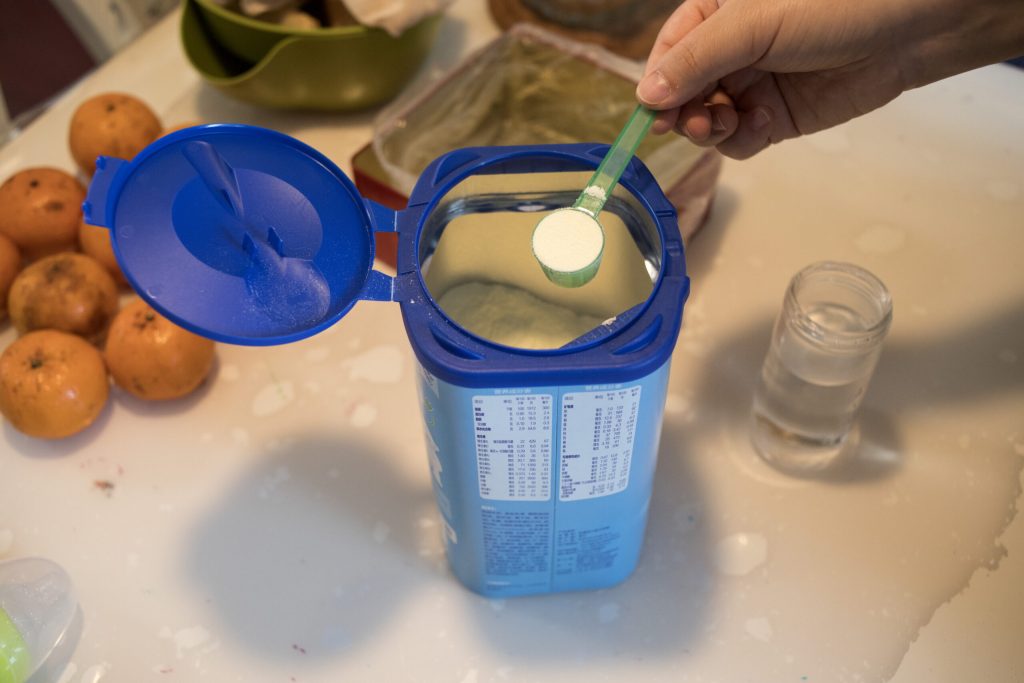
Photograph: Danone infant formula at a home in Beijing; photo credit: Giulia Marchi/Bloomberg
Related:
Copyright 2026 Bloomberg.
Topics
China
The most important insurance news, in your inbox every business day.
Get the insurance industry’s trusted newsletter
China’s market regulator has mandated that infant formula manufacturers conduct tests for cereulide, a toxin that has led to precautionary recalls globally by some of the largest food companies.
In a statement released on Thursday, the State Administration for Market Regulation emphasized that producers must rigorously enforce controls over raw materials and product releases. Local governments have been directed to enhance oversight of safety and quality standards, although it is noteworthy that no poisoning cases linked to infant formula have been reported in China.
The urgency of this directive follows Nestle SA’s detection of cereulide in baby formula, which was traced back to ARA oil sourced from an unnamed company. Sources familiar with the situation have since identified the supplier as Cabio Biotech Wuhan Co., resulting in a significant 16% drop in its shares this year.
Cabio has emerged as one of the largest producers of ARA globally, supplying not only Nestle and Danone SA but also local formula manufacturers such as China Feihe Ltd. and Junlebao Dairy Group Co. This growth has disrupted the previously established monopoly held by Dutch chemical maker DSM-Firmenich AG over the ingredient, thereby fragmenting the global infant formula supply chain.
China’s enhanced regulatory measures are aimed at maintaining investor and consumer confidence, especially given the pivotal role of a Chinese supplier in the global infant formula market.
Authorities had previously urged Nestle to recall specific batches sold in mainland China after the toxin was detected, which can lead to food-borne illnesses such as vomiting. In January, Nestle expanded its recall beyond Europe to include parts of Asia and the Americas, while Danone and other producers also withdrew products across multiple countries.
This latest order from regulators signifies a step towards tightening oversight by establishing clearer requirements for cereulide testing. Although manufacturers have reported no confirmed illnesses linked to the recalls, investigations into potential cases are ongoing in several countries.
The fallout from these recalls could impact the reputations of both Nestle and Danone, potentially accelerating stricter regulations throughout the global infant formula supply chain.
Despite these challenges, market reactions appear to be stable. On Thursday, Danone shares increased by 4.72%, while Nestle saw a gain of 1.39% following China’s confirmation of no poisoning cases and the absence of additional recalls.
“We believe the market has already priced in the impact of Nestlé’s global recalls, and we can hopefully now move on,” noted Barclays analyst Warren Ackerman in a recent report.
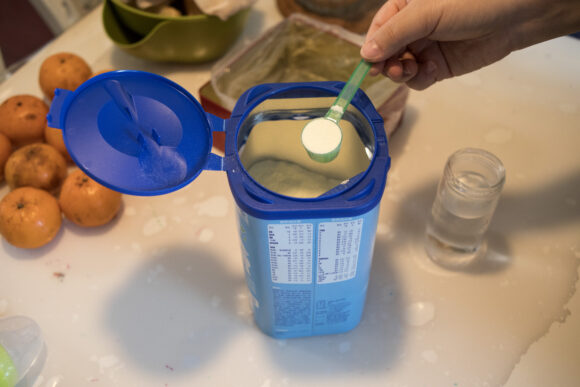
Photograph: Danone infant formula at a home in Beijing; photo credit: Giulia Marchi/Bloomberg
Related:
Copyright 2026 Bloomberg.
Topics
China
The most important insurance news, in your inbox every business day.
Get the insurance industry’s trusted newsletter