Common Eye Problems In The Elderly: Stats, Facts, and Data You Need to Know

As individuals age, the likelihood of encountering eye health issues escalates significantly. Consequently, the overall health of the eyes becomes increasingly fragile over the years. This risk is further amplified for elderly individuals who have pre-existing health conditions such as diabetes, high blood pressure, or vascular disease. The tiny blood vessels that supply the eyes are particularly susceptible to damage over time, making regular eye care essential.
In this article, we will explore some of the most common eye problems that affect the elderly population. We will delve into the characteristics of these conditions, discussing their signs, symptoms, causes, and available treatments.
Common Types of Geriatric Eye Problems
Many of the eye problems listed below are leading causes of vision loss, particularly among older adults. According to the American Academy of Family Physicians, one in three individuals over the age of 65 experiences some form of vision impairment.
While some of these conditions share similar signs and symptoms, they differ in terms of their causes, long-term outlook, prevention methods, and treatment options. Here are some common eye problems experienced by the elderly:
- Presbyopia
- Cataracts
- Detached Retina
- Glaucoma
Additional eye issues prevalent in the elderly include macular degeneration, dry eyes, and diabetic retinopathy.
Presbyopia
Blurred vision is a common complaint among older individuals, often attributed to presbyopia. This condition occurs when the eye’s lens loses its ability to change shape, making it difficult to focus on nearby objects. By the age of 65, many individuals may require multiple prescriptions to achieve clear near and distant vision.
Cataracts
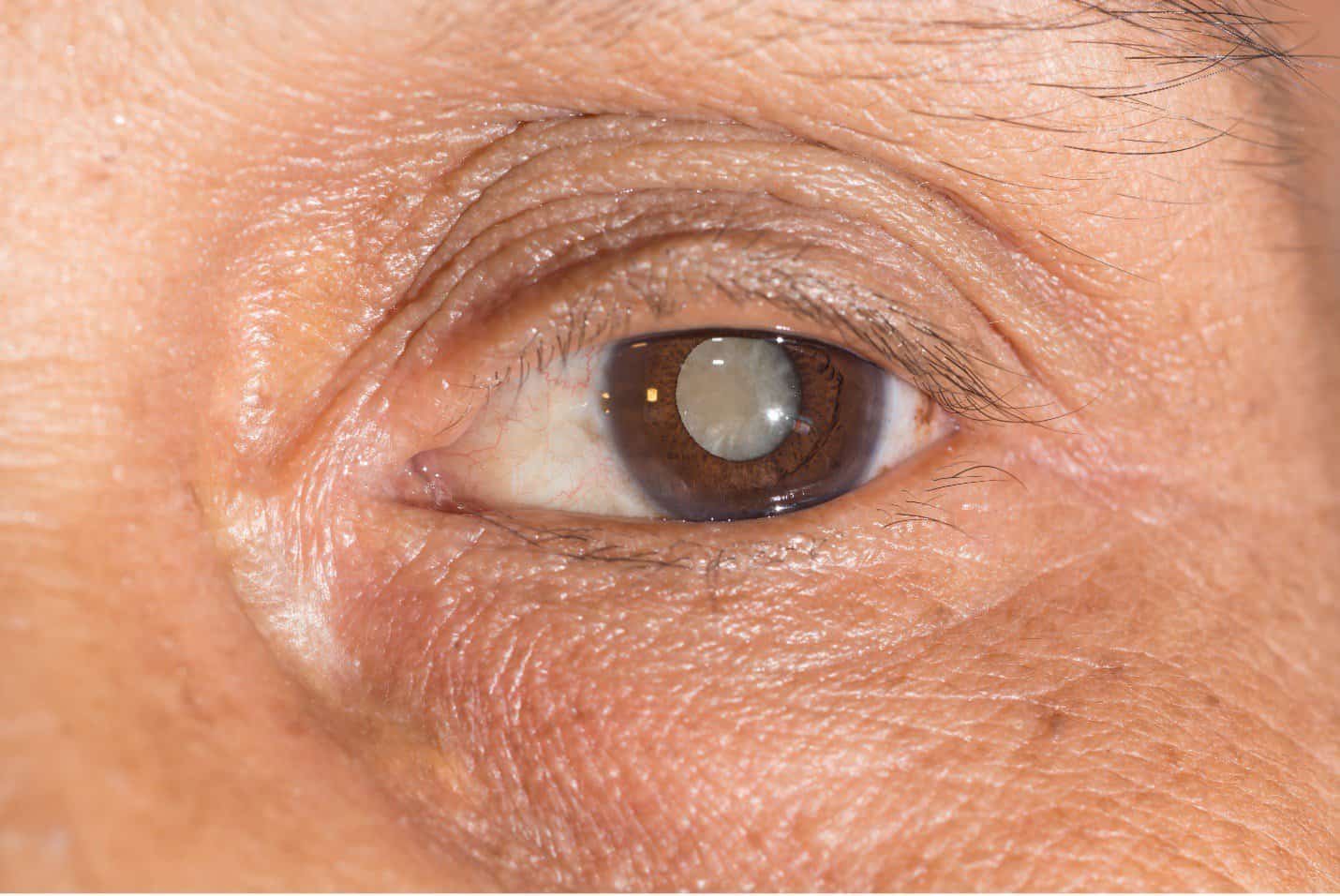
According to the National Eye Institute, a cataract is characterized by a cloudy region in the lens of the eye. This condition is particularly prevalent among older adults, with nearly half of individuals over 80 living with at least one cataract.
Cataracts can lead to symptoms such as vision loss, double vision, and blurriness. While age-related cataracts are the most common, other types, including traumatic and radiated cataracts, also exist. The primary treatment for cataracts is surgical removal, a procedure that ranks among the most frequently performed surgeries by ophthalmologists worldwide.
Detached Retina
A detached retina occurs when the retina pulls away from its normal position at the back of the eye. This layer is crucial for converting light into signals that travel through the optic nerve to the brain. Symptoms of a detached retina include sudden vision loss, blurriness, and the appearance of floaters. This condition is considered an emergency and requires immediate evaluation by an ophthalmologist to prevent permanent vision loss. Treatment typically involves surgical repair of the retina.
Elderly individuals, especially those with diabetes or diabetic retinopathy, are at a higher risk for this condition.
Glaucoma
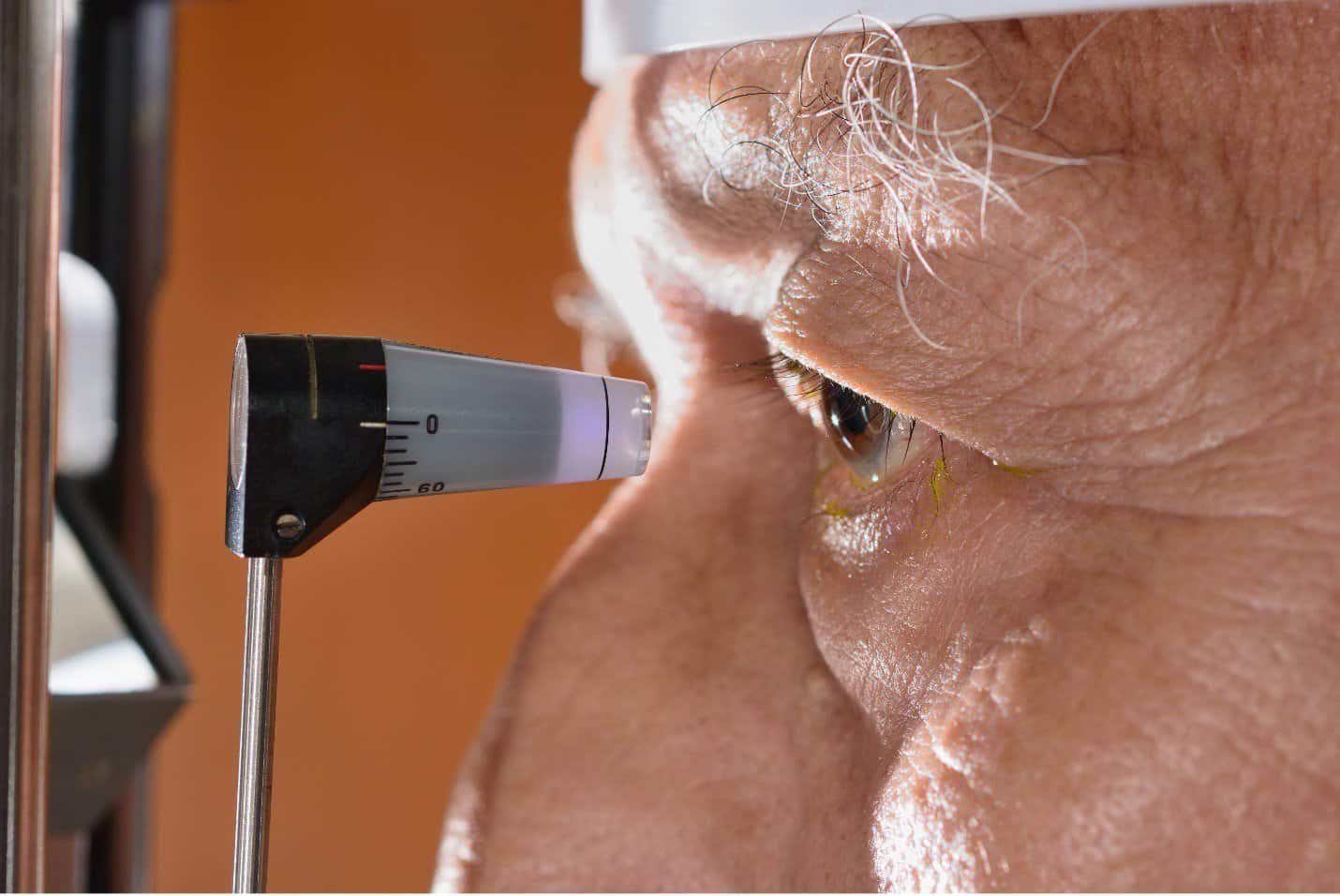
Glaucoma is often discussed alongside cataracts but affects the optic nerve rather than the lens. Both conditions can lead to vision impairment and loss. Glaucoma is caused by a blockage in the aqueous humor channels of the eye, resulting in increased intraocular pressure. If left untreated, this pressure can damage the optic nerve and lead to vision loss.
As the second leading cause of permanent vision loss globally, glaucoma is most commonly diagnosed in individuals over 60. While it cannot be prevented, early diagnosis through regular eye exams can help preserve vision through appropriate treatment.
In summary, maintaining eye health is crucial, especially for the elderly. Regular check-ups and timely interventions can make a significant difference in preserving vision.
As individuals age, the likelihood of encountering eye health issues escalates significantly. Consequently, the overall health of the eyes becomes increasingly fragile over the years. This risk is further amplified for elderly individuals who have pre-existing health conditions such as diabetes, high blood pressure, or vascular disease. The tiny blood vessels that supply the eyes are particularly susceptible to damage over time, making regular eye care essential.
In this article, we will explore some of the most common eye problems that affect the elderly population. We will delve into the characteristics of these conditions, discussing their signs, symptoms, causes, and available treatments.
Common Types of Geriatric Eye Problems
Many of the eye problems listed below are leading causes of vision loss, particularly among older adults. According to the American Academy of Family Physicians, one in three individuals over the age of 65 experiences some form of vision impairment.
While some of these conditions share similar signs and symptoms, they differ in terms of their causes, long-term outlook, prevention methods, and treatment options. Here are some common eye problems experienced by the elderly:
- Presbyopia
- Cataracts
- Detached Retina
- Glaucoma
Additional eye issues prevalent in the elderly include macular degeneration, dry eyes, and diabetic retinopathy.
Presbyopia
Blurred vision is a common complaint among older individuals, often attributed to presbyopia. This condition occurs when the eye’s lens loses its ability to change shape, making it difficult to focus on nearby objects. By the age of 65, many individuals may require multiple prescriptions to achieve clear near and distant vision.
Cataracts
According to the National Eye Institute, a cataract is characterized by a cloudy region in the lens of the eye. This condition is particularly prevalent among older adults, with nearly half of individuals over 80 living with at least one cataract.
Cataracts can lead to symptoms such as vision loss, double vision, and blurriness. While age-related cataracts are the most common, other types, including traumatic and radiated cataracts, also exist. The primary treatment for cataracts is surgical removal, a procedure that ranks among the most frequently performed surgeries by ophthalmologists worldwide.
Detached Retina
A detached retina occurs when the retina pulls away from its normal position at the back of the eye. This layer is crucial for converting light into signals that travel through the optic nerve to the brain. Symptoms of a detached retina include sudden vision loss, blurriness, and the appearance of floaters. This condition is considered an emergency and requires immediate evaluation by an ophthalmologist to prevent permanent vision loss. Treatment typically involves surgical repair of the retina.
Elderly individuals, especially those with diabetes or diabetic retinopathy, are at a higher risk for this condition.
Glaucoma
Glaucoma is often discussed alongside cataracts but affects the optic nerve rather than the lens. Both conditions can lead to vision impairment and loss. Glaucoma is caused by a blockage in the aqueous humor channels of the eye, resulting in increased intraocular pressure. If left untreated, this pressure can damage the optic nerve and lead to vision loss.
As the second leading cause of permanent vision loss globally, glaucoma is most commonly diagnosed in individuals over 60. While it cannot be prevented, early diagnosis through regular eye exams can help preserve vision through appropriate treatment.
In summary, maintaining eye health is crucial, especially for the elderly. Regular check-ups and timely interventions can make a significant difference in preserving vision.