Congo Conflict Increases Insurance Costs, Pressuring Miners, Reports Insurer
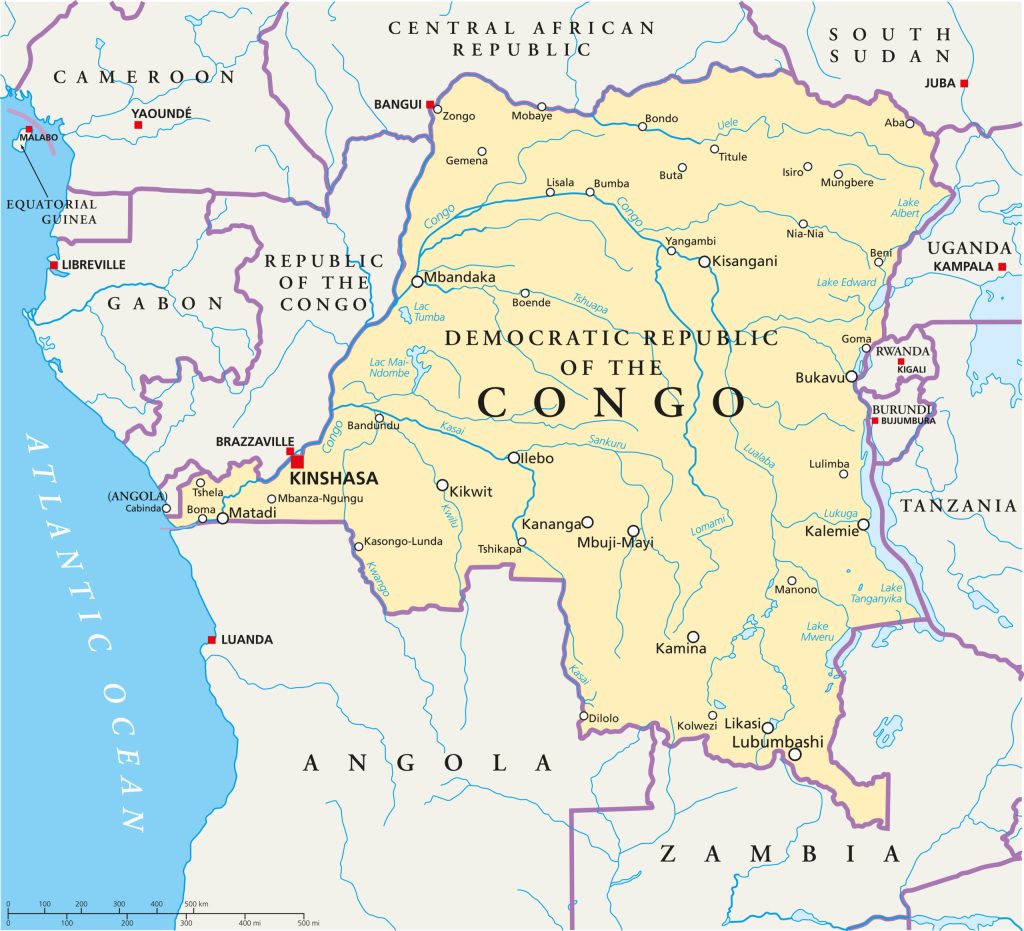
In the Democratic Republic of Congo, political violence insurance premiums surged dramatically last year, increasing by as much as tenfold due to escalating unrest in the eastern regions. This spike has not only benefitted insurers but has also raised operational costs for copper and cobalt miners, as reported by insurance executives to Reuters.
The turmoil began when Rwandan-backed AFC/M23 rebels captured the town of Goma in January 2025, marking a significant territorial advance for the group. The violence that ensued led to widespread business closures, resulting in thousands of fatalities and displacing hundreds of thousands of individuals.
SFA, Congo’s second-largest insurer, derives a quarter of its business from the mining sector, providing coverage for approximately half of the country’s mining operators. Valery Safarian, an adviser to the board of SFA Congo, noted that political violence premiums “spiked five to ten times after the events” but have since begun to stabilize as calm returns and market capacity improves.
This sudden increase in premiums effectively doubled SFA’s political violence portfolio, escalating from around $3 million to $6 million within a year. SFA General Manager Xavier Denys highlighted that demand for insurance coverage surged “almost overnight” as companies hurried to renew or obtain new policies.
Congo Holds Vast Mineral Reserves
The Democratic Republic of Congo is a treasure trove of natural resources, supplying over 70% of the world’s cobalt and boasting some of the richest deposits of copper, lithium, coltan, and gold. Major players in the mining sector include China’s CMOC, Glencore, Eurasian Resources, and Chemaf.
Despite the chaos, Safarian indicated that mines largely escaped direct impacts from the conflict, with retail and industrial clients bearing the brunt of the damage. Denys pointed out that industrial risks—such as property damage, pit collapses, machinery breakdowns, and tailings dam failures—remain the most significant exposures for insurers.
As insurance rates soared, new reinsurers entered the market, increasing capacity and helping to pull premiums back toward pre-crisis levels by January. Since the liberalization of Congo’s insurance market in 2018, non-life premiums have skyrocketed fivefold, climbing from $67 million to approximately $350 million in 2025, according to Denys.
SFA’s turnover also saw a notable increase, rising from $73 million in 2024 to over $81 million in 2025. With the local technical capacity continuing to develop, SFA is eyeing expansion into neighboring markets.
“Our goal is to turn DRC into a regional hub, exporting expertise beyond our borders,” Safarian stated, emphasizing the potential for growth and development in the insurance sector.
(Reporting by Maxwell Akalaare Adombila; editing by Mark Potter)
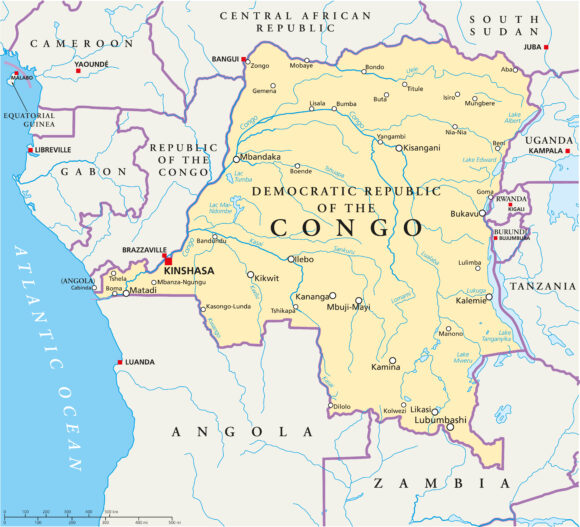
In the Democratic Republic of Congo, political violence insurance premiums surged dramatically last year, increasing by as much as tenfold due to escalating unrest in the eastern regions. This spike has not only benefitted insurers but has also raised operational costs for copper and cobalt miners, as reported by insurance executives to Reuters.
The turmoil began when Rwandan-backed AFC/M23 rebels captured the town of Goma in January 2025, marking a significant territorial advance for the group. The violence that ensued led to widespread business closures, resulting in thousands of fatalities and displacing hundreds of thousands of individuals.
SFA, Congo’s second-largest insurer, derives a quarter of its business from the mining sector, providing coverage for approximately half of the country’s mining operators. Valery Safarian, an adviser to the board of SFA Congo, noted that political violence premiums “spiked five to ten times after the events” but have since begun to stabilize as calm returns and market capacity improves.
This sudden increase in premiums effectively doubled SFA’s political violence portfolio, escalating from around $3 million to $6 million within a year. SFA General Manager Xavier Denys highlighted that demand for insurance coverage surged “almost overnight” as companies hurried to renew or obtain new policies.
Congo Holds Vast Mineral Reserves
The Democratic Republic of Congo is a treasure trove of natural resources, supplying over 70% of the world’s cobalt and boasting some of the richest deposits of copper, lithium, coltan, and gold. Major players in the mining sector include China’s CMOC, Glencore, Eurasian Resources, and Chemaf.
Despite the chaos, Safarian indicated that mines largely escaped direct impacts from the conflict, with retail and industrial clients bearing the brunt of the damage. Denys pointed out that industrial risks—such as property damage, pit collapses, machinery breakdowns, and tailings dam failures—remain the most significant exposures for insurers.
As insurance rates soared, new reinsurers entered the market, increasing capacity and helping to pull premiums back toward pre-crisis levels by January. Since the liberalization of Congo’s insurance market in 2018, non-life premiums have skyrocketed fivefold, climbing from $67 million to approximately $350 million in 2025, according to Denys.
SFA’s turnover also saw a notable increase, rising from $73 million in 2024 to over $81 million in 2025. With the local technical capacity continuing to develop, SFA is eyeing expansion into neighboring markets.
“Our goal is to turn DRC into a regional hub, exporting expertise beyond our borders,” Safarian stated, emphasizing the potential for growth and development in the insurance sector.
(Reporting by Maxwell Akalaare Adombila; editing by Mark Potter)