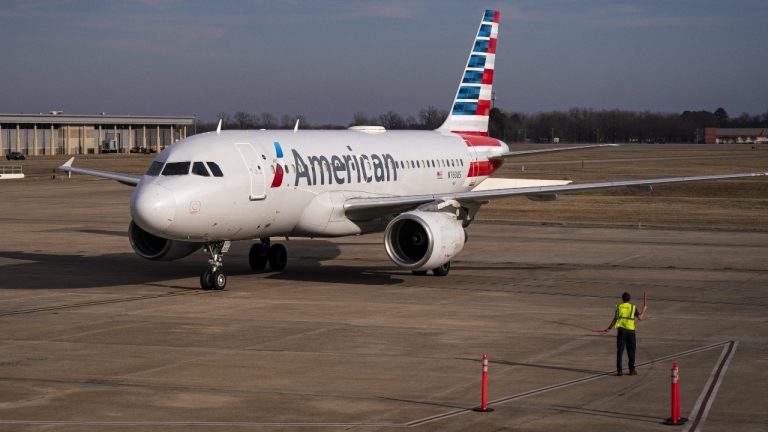
Cox Automotive Forecasts Decline in Vehicle Sales for 2026 Market

Yardeni Research president Ed Yardeni discusses economic drivers heading into 2026 on Making Money.
A new outlook from Cox Automotive indicates that new vehicle sales are projected to experience a slight slowdown in 2026 compared to last year, which exceeded industry expectations.
Cox Automotive forecasts that the U.S. will see approximately 15.8 million new vehicles sold in 2026, marking a 2.4% decline from the previous year’s sales figures. Additionally, retail sales are expected to decline by 1.5% year-over-year, while fleet sales are anticipated to drop by 6.1% from 2025.
Moreover, Cox predicts a minor year-over-year decrease in used retail vehicle sales, driven by ongoing affordability pressures that are pushing consumers towards less expensive options. The firm also expects lease penetration among EV and plug-in hybrid vehicles to decline by 3 percentage points compared to last year.
“The fact is, most vehicle sales metrics in 2025 were slightly stronger than many forecast – including us,” stated Jeremy Robb, interim chief economist at Cox Automotive. “Our 2026 forecast reflects a slowing market, but still a good one.”
IRS HANDS WORKERS BIGGER TAX BREAK FOR BUSINESS EXPENSES IN 2026

Cox Automotive forecasts a slowing but strong auto market in 2026. (iStock)
“While we’re expecting most sales metrics to be lower compared to 2025, the expected declines are modest, and we think there will be good news on interest rates and tax returns that help the auto market in the first half of 2026,” Robb added.
Cox Automotive’s outlook identifies several prevailing economic forces that will both positively and negatively impact the auto industry in 2026.
The analysis highlights “bifurcated consumer dynamics,” where higher-income households benefit from rising financial markets, tax relief, and interest rate cuts that encourage new vehicle purchases.
AMERICANS ARE PUMPING THE BRAKES ON ELECTRIC VEHICLE ADOPTION: ‘AFFORDABILITY IS A BIG ISSUE’
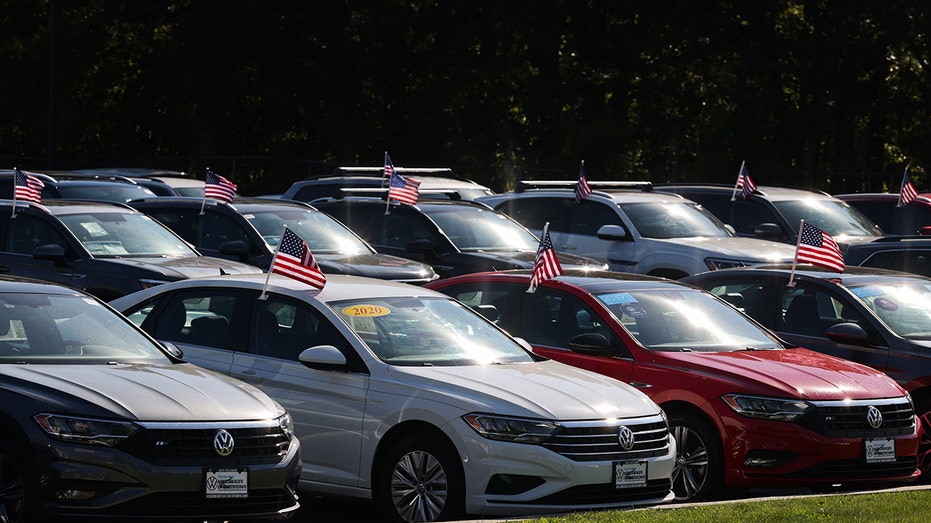
Cox’s 2026 outlook anticipates more trade-down activity as consumers seek affordability. (Getty Images)
Conversely, lower-income consumers are expected to continue facing financial strain due to elevated inflation and high purchase costs for both new and used vehicles. The firm notes that this “divergence will accelerate trade-down behavior, making value perception critical across the market.”
While inflation seems to be easing and potential interest rate cuts by the Federal Reserve may enhance household wealth, the report highlights that “uncertainty surrounding Federal Reserve leadership and independence creates volatility, delaying the housing recovery and limiting auto sales growth.”
STICKER SHOCK PUSHES SHOPPERS OUT OF NEW-CAR MARKET AS AFFORDABILITY CRISIS DEEPENS
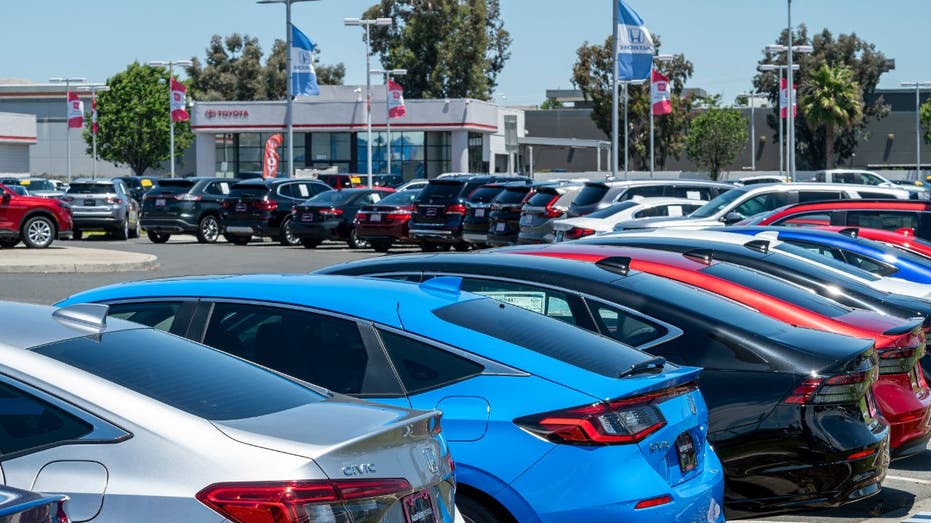
The slowing labor market and persistent inflation are expected to constrain consumers as they weigh larger purchases. (David Paul Morris/Bloomberg via Getty Images)
Cox Automotive also pointed out the phenomenon of “jobless expansion” in the U.S. economy, where GDP is rising due to investment and productivity gains, even as the labor market remains stagnant.
“Slow job growth will dampen household formation and confidence in big-ticket purchases, including vehicles,” the outlook explains. “This weak labor market will be a headwind for the auto market, but stock market gains can serve as a tailwind.”
The analysis also highlights the uncertainty stemming from policy changes enacted during the Trump administration that impact the auto industry, particularly regarding electric vehicles (EVs).
GET FOX BUSINESS ON THE GO BY CLICKING HERE
“Tariffs, fuel-economy adjustments, and tax-code changes will create a complex and dynamic landscape, with the USMCA renegotiation taking center stage in 2026,” Cox analysts noted. “Meanwhile, the electric vehicle market will enter its next chapter in 2026, without government incentives and with off-lease EV models flooding the used market.”
Yardeni Research president Ed Yardeni discusses economic drivers heading into 2026 on Making Money.
A new outlook from Cox Automotive indicates that new vehicle sales are projected to experience a slight slowdown in 2026 compared to last year, which exceeded industry expectations.
Cox Automotive forecasts that the U.S. will see approximately 15.8 million new vehicles sold in 2026, marking a 2.4% decline from the previous year’s sales figures. Additionally, retail sales are expected to decline by 1.5% year-over-year, while fleet sales are anticipated to drop by 6.1% from 2025.
Moreover, Cox predicts a minor year-over-year decrease in used retail vehicle sales, driven by ongoing affordability pressures that are pushing consumers towards less expensive options. The firm also expects lease penetration among EV and plug-in hybrid vehicles to decline by 3 percentage points compared to last year.
“The fact is, most vehicle sales metrics in 2025 were slightly stronger than many forecast – including us,” stated Jeremy Robb, interim chief economist at Cox Automotive. “Our 2026 forecast reflects a slowing market, but still a good one.”
IRS HANDS WORKERS BIGGER TAX BREAK FOR BUSINESS EXPENSES IN 2026
Cox Automotive forecasts a slowing but strong auto market in 2026. (iStock)
“While we’re expecting most sales metrics to be lower compared to 2025, the expected declines are modest, and we think there will be good news on interest rates and tax returns that help the auto market in the first half of 2026,” Robb added.
Cox Automotive’s outlook identifies several prevailing economic forces that will both positively and negatively impact the auto industry in 2026.
The analysis highlights “bifurcated consumer dynamics,” where higher-income households benefit from rising financial markets, tax relief, and interest rate cuts that encourage new vehicle purchases.
AMERICANS ARE PUMPING THE BRAKES ON ELECTRIC VEHICLE ADOPTION: ‘AFFORDABILITY IS A BIG ISSUE’
Cox’s 2026 outlook anticipates more trade-down activity as consumers seek affordability. (Getty Images)
Conversely, lower-income consumers are expected to continue facing financial strain due to elevated inflation and high purchase costs for both new and used vehicles. The firm notes that this “divergence will accelerate trade-down behavior, making value perception critical across the market.”
While inflation seems to be easing and potential interest rate cuts by the Federal Reserve may enhance household wealth, the report highlights that “uncertainty surrounding Federal Reserve leadership and independence creates volatility, delaying the housing recovery and limiting auto sales growth.”
STICKER SHOCK PUSHES SHOPPERS OUT OF NEW-CAR MARKET AS AFFORDABILITY CRISIS DEEPENS
The slowing labor market and persistent inflation are expected to constrain consumers as they weigh larger purchases. (David Paul Morris/Bloomberg via Getty Images)
Cox Automotive also pointed out the phenomenon of “jobless expansion” in the U.S. economy, where GDP is rising due to investment and productivity gains, even as the labor market remains stagnant.
“Slow job growth will dampen household formation and confidence in big-ticket purchases, including vehicles,” the outlook explains. “This weak labor market will be a headwind for the auto market, but stock market gains can serve as a tailwind.”
The analysis also highlights the uncertainty stemming from policy changes enacted during the Trump administration that impact the auto industry, particularly regarding electric vehicles (EVs).
GET FOX BUSINESS ON THE GO BY CLICKING HERE
“Tariffs, fuel-economy adjustments, and tax-code changes will create a complex and dynamic landscape, with the USMCA renegotiation taking center stage in 2026,” Cox analysts noted. “Meanwhile, the electric vehicle market will enter its next chapter in 2026, without government incentives and with off-lease EV models flooding the used market.”