Creating a care package for a loved one leaving hospital
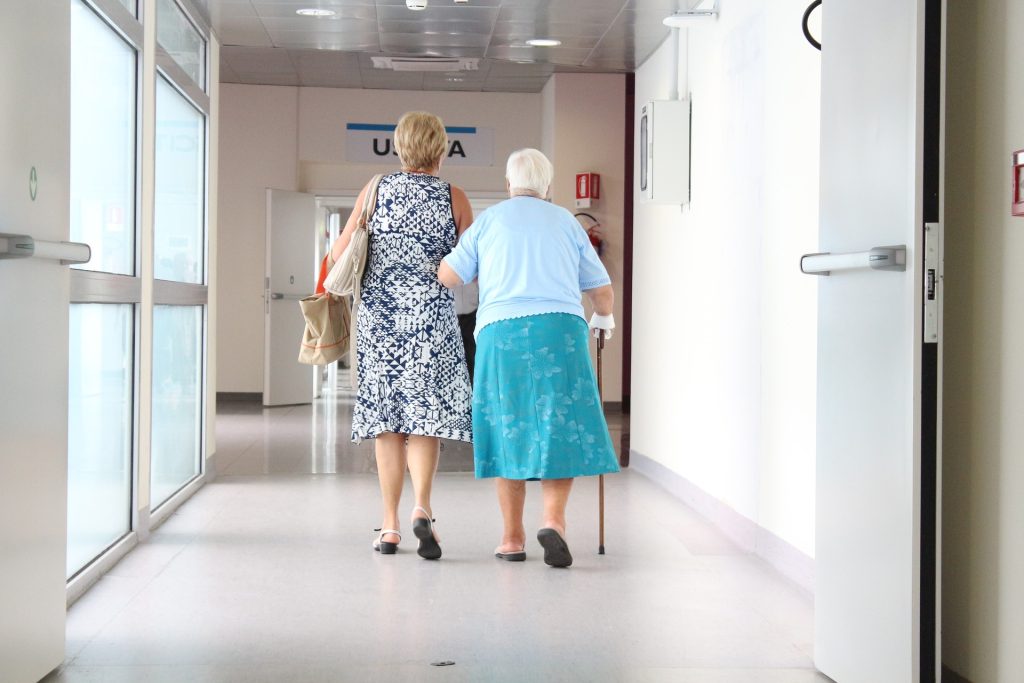
Bringing an elderly loved one home after a hospital stay can be a source of relief, but it also raises important questions. How will they manage daily tasks? What support will they need during their recovery? These concerns are completely natural when someone you care about is in a vulnerable state.
A well-thought-out care package can provide the practical support and reassurance necessary for a smooth transition from hospital to home. It not only helps maintain their independence but also addresses immediate recovery needs.
Key Insights:
- Hospital discharge notes contain critical information. Review these documents carefully; they outline medication schedules, wound care requirements, and dietary guidance that will shape your care package.
- Recovery needs extend beyond medical supplies. Mobility aids, clear medication schedules, and familiar routines are essential for helping your loved one feel safe and maintain independence during recovery.
- Small comforts support emotional well-being. Personal items like photographs, favorite music, or familiar scents can significantly reduce anxiety and help someone feel at home during this vulnerable time.
- Organization reduces stress for everyone. Grouping items by category and including a simple checklist can help your loved one, family members, and any visiting carers provide consistent support.
Understanding Post-Hospital Needs
Upon leaving the hospital, many individuals may feel weak, disoriented, or anxious about managing life at home. Your care package should address both their physical recovery and emotional well-being.
Start with the discharge notes provided by the hospital. These documents outline specific requirements such as medication schedules, wound care instructions, and dietary guidance. Understanding these clinical needs is crucial for preparing appropriate support.
Consider their daily routines. If mobility is limited, items like a shower chair, grab rails, or non-slip mats can support safe movement around the home. For someone living with dementia, simple aids like calendars, clear labels, or written reminders can help maintain familiar routines and reduce confusion.
Essential Items for Recovery
Your care package should include everything needed for the first week at home:
Medical Supplies
Ensure they have enough medication for at least seven days, along with any necessary medical supplies such as bandages, dressings, and antiseptic ointment. Include a clear medication schedule if needed.
Nutrition and Hydration
Provide easy-to-prepare meals, nutritious snacks, and drinks that don’t require extensive preparation. Simple, familiar foods can offer comfort during recovery, so consider their dietary requirements as mentioned in the discharge notes.
Personal Care Items
Basic toiletries—soap, toothpaste, shampoo, and moisturizer—support dignity and independence. Include comfortable, practical clothing such as pajamas, slippers, or dressing gowns that are easy to manage.
Comfort and Well-Being
Beyond clinical needs, personal touches can significantly support emotional recovery:
A handwritten note or photo album can remind your loved one that they are supported throughout their recovery journey.
Organizing Your Care Package
Use a sturdy box or basket to group items by category: keep medication and medical supplies together, toiletries in one section, and comfort items in another. This organization helps your loved one and any visiting carers or nurses find what’s needed quickly.
Include a simple checklist of contents, along with key contact numbers and any important care instructions. This reference document can reduce confusion and support consistent care.
When Additional Support is Needed
Hospital discharge often requires more than a care package can provide. If your loved one needs help with medication management, mobility support, or reassurance during recovery, professional care may be appropriate.
Our clinical team can arrange specialist home care within 48 hours when required, providing personalized support that adapts as recovery progresses.
Supporting Recovery at Home
A well-prepared care package demonstrates practical support during a challenging transition. By addressing both clinical requirements and personal comfort, you help create conditions for successful recovery in familiar surroundings.
If you’re uncertain about the level of support needed after hospital discharge, our care experts can provide clear guidance. No pressure, just answers to your questions. Learn more about the types of care Hometouch offers by visiting our website.
Bringing an elderly loved one home after a hospital stay can be a source of relief, but it also raises important questions. How will they manage daily tasks? What support will they need during their recovery? These concerns are completely natural when someone you care about is in a vulnerable state.
A well-thought-out care package can provide the practical support and reassurance necessary for a smooth transition from hospital to home. It not only helps maintain their independence but also addresses immediate recovery needs.
Key Insights:
- Hospital discharge notes contain critical information. Review these documents carefully; they outline medication schedules, wound care requirements, and dietary guidance that will shape your care package.
- Recovery needs extend beyond medical supplies. Mobility aids, clear medication schedules, and familiar routines are essential for helping your loved one feel safe and maintain independence during recovery.
- Small comforts support emotional well-being. Personal items like photographs, favorite music, or familiar scents can significantly reduce anxiety and help someone feel at home during this vulnerable time.
- Organization reduces stress for everyone. Grouping items by category and including a simple checklist can help your loved one, family members, and any visiting carers provide consistent support.
Understanding Post-Hospital Needs
Upon leaving the hospital, many individuals may feel weak, disoriented, or anxious about managing life at home. Your care package should address both their physical recovery and emotional well-being.
Start with the discharge notes provided by the hospital. These documents outline specific requirements such as medication schedules, wound care instructions, and dietary guidance. Understanding these clinical needs is crucial for preparing appropriate support.
Consider their daily routines. If mobility is limited, items like a shower chair, grab rails, or non-slip mats can support safe movement around the home. For someone living with dementia, simple aids like calendars, clear labels, or written reminders can help maintain familiar routines and reduce confusion.
Essential Items for Recovery
Your care package should include everything needed for the first week at home:
Medical Supplies
Ensure they have enough medication for at least seven days, along with any necessary medical supplies such as bandages, dressings, and antiseptic ointment. Include a clear medication schedule if needed.
Nutrition and Hydration
Provide easy-to-prepare meals, nutritious snacks, and drinks that don’t require extensive preparation. Simple, familiar foods can offer comfort during recovery, so consider their dietary requirements as mentioned in the discharge notes.
Personal Care Items
Basic toiletries—soap, toothpaste, shampoo, and moisturizer—support dignity and independence. Include comfortable, practical clothing such as pajamas, slippers, or dressing gowns that are easy to manage.
Comfort and Well-Being
Beyond clinical needs, personal touches can significantly support emotional recovery:
A handwritten note or photo album can remind your loved one that they are supported throughout their recovery journey.
Organizing Your Care Package
Use a sturdy box or basket to group items by category: keep medication and medical supplies together, toiletries in one section, and comfort items in another. This organization helps your loved one and any visiting carers or nurses find what’s needed quickly.
Include a simple checklist of contents, along with key contact numbers and any important care instructions. This reference document can reduce confusion and support consistent care.
When Additional Support is Needed
Hospital discharge often requires more than a care package can provide. If your loved one needs help with medication management, mobility support, or reassurance during recovery, professional care may be appropriate.
Our clinical team can arrange specialist home care within 48 hours when required, providing personalized support that adapts as recovery progresses.
Supporting Recovery at Home
A well-prepared care package demonstrates practical support during a challenging transition. By addressing both clinical requirements and personal comfort, you help create conditions for successful recovery in familiar surroundings.
If you’re uncertain about the level of support needed after hospital discharge, our care experts can provide clear guidance. No pressure, just answers to your questions. Learn more about the types of care Hometouch offers by visiting our website.