Discover the Top Diet Plans for Seniors
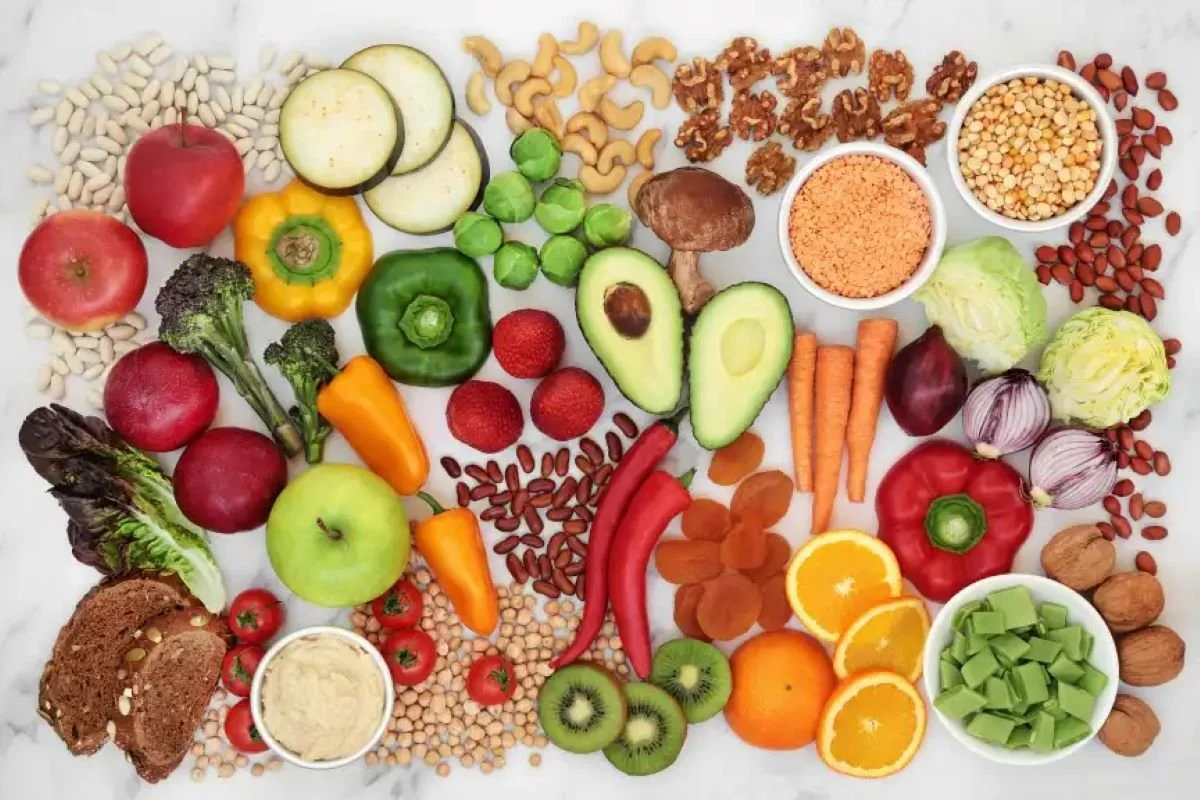
Eating well is crucial for seniors to maintain their health, energy levels, and overall quality of life. As we age, our nutritional needs evolve, making a balanced diet even more essential for healthy aging. In 2026, several diet plans specifically designed for seniors focus on promoting heart health, maintaining muscle mass, and supporting bone strength. Here are some of the best diet plans for seniors to consider.
The Mediterranean Diet
Renowned for its heart-healthy benefits, the Mediterranean diet emphasizes fresh fruits and vegetables, whole grains, lean proteins, and healthy fats like olive oil. This nutrient-dense diet helps seniors maintain a healthy weight, manage cholesterol, and reduce the risk of chronic conditions such as heart disease, diabetes, and high blood pressure. Key components include:
- Fresh fruits and vegetables
- Whole grains like brown rice and quinoa
- Lean proteins such as fish, beans, and nuts
- Healthy fats like olive oil and avocado
Additionally, this diet is rich in antioxidants, which can help reduce inflammation and support cognitive health.
The DASH Diet (Dietary Approaches to Stop Hypertension)
The DASH diet aims to lower blood pressure and reduce the risk of heart disease, making it an excellent choice for seniors with hypertension or cardiovascular concerns. It emphasizes foods rich in potassium, calcium, magnesium, and fiber while limiting sodium and unhealthy fats. The DASH diet includes:
- Whole grains and lean proteins
- A variety of fruits and vegetables
- Low-fat dairy products
- Nuts, seeds, and legumes
Seniors following the DASH diet may experience improvements in blood pressure, cholesterol levels, and overall heart health. It’s also a great option for those looking to lose weight or maintain a healthy weight.
The Plant-Based Diet
A plant-based diet focuses on whole, plant-based foods while minimizing animal products. Rich in fruits, vegetables, whole grains, legumes, and nuts, this diet is excellent for seniors aiming to improve heart health, maintain weight, and reduce the risk of chronic conditions like cancer and diabetes. Key health benefits include:
- Lower risk of cardiovascular disease
- Improved digestion and gut health
- Anti-inflammatory properties
- Better weight management
For seniors new to plant-based eating, starting with “Meatless Mondays” or gradually replacing animal products with plant-based alternatives can ease the transition.
The MIND Diet (Mediterranean-DASH Diet Intervention for Neurodegenerative Delay)
Combining the principles of the Mediterranean and DASH diets, the MIND diet focuses on protecting brain health and reducing the risk of Alzheimer’s disease and dementia. It emphasizes nutrient-rich foods that support cognitive function and memory retention. Key elements include:
- Leafy green vegetables
- Berries, especially blueberries
- Whole grains
- Olive oil
- Nuts and seeds
The MIND diet aims to protect the brain from oxidative stress and inflammation, both linked to cognitive decline. Seniors following this diet may experience improved memory, focus, and overall brain function.
The High-Protein Diet
As we age, muscle mass naturally declines, leading to frailty and weakness. A high-protein diet can help seniors preserve muscle mass, enhance strength, and support metabolism. This diet includes protein-rich foods such as:
- Lean meats like chicken and turkey
- Fish and seafood
- Eggs and dairy products like Greek yogurt and cottage cheese
- Plant-based protein sources like beans, lentils, and tofu
A high-protein diet is particularly beneficial for active seniors or those aiming to maintain a healthy weight. Opting for lean protein sources helps avoid excess saturated fats.
The Anti-Inflammatory Diet
Chronic inflammation is associated with many age-related diseases, including arthritis, heart disease, and diabetes. An anti-inflammatory diet focuses on foods that help reduce inflammation, improving joint health, decreasing pain, and lowering the risk of chronic diseases. Key foods include:
- Fatty fish like salmon, mackerel, and sardines
- Berries and citrus fruits
- Leafy greens and cruciferous vegetables
- Nuts, seeds, and olive oil
This diet is rich in omega-3 fatty acids, antioxidants, and polyphenols, which work together to combat inflammation and protect against age-related diseases.
The Gluten-Free Diet
For seniors with celiac disease or gluten sensitivity, a gluten-free diet is essential for maintaining digestive health and avoiding discomfort. This diet eliminates gluten sources like wheat, barley, and rye, focusing on gluten-free grains such as rice, quinoa, and corn. With many gluten-free products available, seniors can easily maintain a balanced diet while avoiding gluten.
The 80/20 Rule
The 80/20 rule is a flexible and sustainable diet plan that encourages eating healthy foods 80% of the time while allowing for 20% of indulgences. This approach enables seniors to enjoy their favorite foods while focusing on whole, nutrient-dense meals for most of their diet. It’s an excellent option for those seeking a balanced approach to healthy eating without feeling restricted by a rigid diet plan.
Eating well is crucial for seniors to maintain their health, energy levels, and overall quality of life. As we age, our nutritional needs evolve, making a balanced diet even more essential for healthy aging. In 2026, several diet plans specifically designed for seniors focus on promoting heart health, maintaining muscle mass, and supporting bone strength. Here are some of the best diet plans for seniors to consider.
The Mediterranean Diet
Renowned for its heart-healthy benefits, the Mediterranean diet emphasizes fresh fruits and vegetables, whole grains, lean proteins, and healthy fats like olive oil. This nutrient-dense diet helps seniors maintain a healthy weight, manage cholesterol, and reduce the risk of chronic conditions such as heart disease, diabetes, and high blood pressure. Key components include:
- Fresh fruits and vegetables
- Whole grains like brown rice and quinoa
- Lean proteins such as fish, beans, and nuts
- Healthy fats like olive oil and avocado
Additionally, this diet is rich in antioxidants, which can help reduce inflammation and support cognitive health.
The DASH Diet (Dietary Approaches to Stop Hypertension)
The DASH diet aims to lower blood pressure and reduce the risk of heart disease, making it an excellent choice for seniors with hypertension or cardiovascular concerns. It emphasizes foods rich in potassium, calcium, magnesium, and fiber while limiting sodium and unhealthy fats. The DASH diet includes:
- Whole grains and lean proteins
- A variety of fruits and vegetables
- Low-fat dairy products
- Nuts, seeds, and legumes
Seniors following the DASH diet may experience improvements in blood pressure, cholesterol levels, and overall heart health. It’s also a great option for those looking to lose weight or maintain a healthy weight.
The Plant-Based Diet
A plant-based diet focuses on whole, plant-based foods while minimizing animal products. Rich in fruits, vegetables, whole grains, legumes, and nuts, this diet is excellent for seniors aiming to improve heart health, maintain weight, and reduce the risk of chronic conditions like cancer and diabetes. Key health benefits include:
- Lower risk of cardiovascular disease
- Improved digestion and gut health
- Anti-inflammatory properties
- Better weight management
For seniors new to plant-based eating, starting with “Meatless Mondays” or gradually replacing animal products with plant-based alternatives can ease the transition.
The MIND Diet (Mediterranean-DASH Diet Intervention for Neurodegenerative Delay)
Combining the principles of the Mediterranean and DASH diets, the MIND diet focuses on protecting brain health and reducing the risk of Alzheimer’s disease and dementia. It emphasizes nutrient-rich foods that support cognitive function and memory retention. Key elements include:
- Leafy green vegetables
- Berries, especially blueberries
- Whole grains
- Olive oil
- Nuts and seeds
The MIND diet aims to protect the brain from oxidative stress and inflammation, both linked to cognitive decline. Seniors following this diet may experience improved memory, focus, and overall brain function.
The High-Protein Diet
As we age, muscle mass naturally declines, leading to frailty and weakness. A high-protein diet can help seniors preserve muscle mass, enhance strength, and support metabolism. This diet includes protein-rich foods such as:
- Lean meats like chicken and turkey
- Fish and seafood
- Eggs and dairy products like Greek yogurt and cottage cheese
- Plant-based protein sources like beans, lentils, and tofu
A high-protein diet is particularly beneficial for active seniors or those aiming to maintain a healthy weight. Opting for lean protein sources helps avoid excess saturated fats.
The Anti-Inflammatory Diet
Chronic inflammation is associated with many age-related diseases, including arthritis, heart disease, and diabetes. An anti-inflammatory diet focuses on foods that help reduce inflammation, improving joint health, decreasing pain, and lowering the risk of chronic diseases. Key foods include:
- Fatty fish like salmon, mackerel, and sardines
- Berries and citrus fruits
- Leafy greens and cruciferous vegetables
- Nuts, seeds, and olive oil
This diet is rich in omega-3 fatty acids, antioxidants, and polyphenols, which work together to combat inflammation and protect against age-related diseases.
The Gluten-Free Diet
For seniors with celiac disease or gluten sensitivity, a gluten-free diet is essential for maintaining digestive health and avoiding discomfort. This diet eliminates gluten sources like wheat, barley, and rye, focusing on gluten-free grains such as rice, quinoa, and corn. With many gluten-free products available, seniors can easily maintain a balanced diet while avoiding gluten.
The 80/20 Rule
The 80/20 rule is a flexible and sustainable diet plan that encourages eating healthy foods 80% of the time while allowing for 20% of indulgences. This approach enables seniors to enjoy their favorite foods while focusing on whole, nutrient-dense meals for most of their diet. It’s an excellent option for those seeking a balanced approach to healthy eating without feeling restricted by a rigid diet plan.