Dollar Tree Expands with Nearly Half of New Stores in Wealthy Neighborhoods
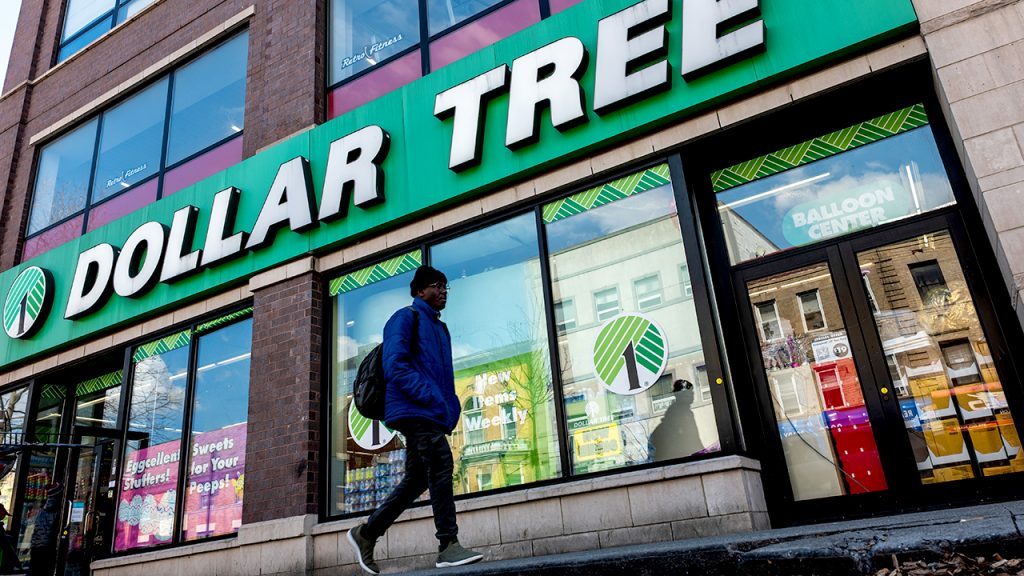
Max Levchin, CEO of Affirm, provides insights into consumer spending habits based on Affirm’s data on ‘The Claman Countdown.’
Discount retailer Dollar Tree is strategically opening new stores in more affluent areas, aiming to attract higher-income customers who tend to spend more during each shopping trip, according to a recent report.
An analysis by Bloomberg News reveals that 49% of new Dollar Tree locations opened in the last six years are situated in wealthier parts of metropolitan areas, a notable increase from 41% in the previous six years. Furthermore, the percentage of new stores in ZIP codes with significantly higher incomes compared to the broader metro area rose to 19%, up from 16% in the prior period. Conversely, the share of new stores in lower-income ZIP codes decreased from 20% to 14%.
Historically, dollar stores have experienced a surge in business during economic downturns, as consumers seek to economize. However, with higher-income households now driving a significant portion of consumer spending, this shift aims to attract those shoppers more frequently.
WHY SHOPPERS MAKING SIX FIGURES ARE GIVING DOLLAR TREE A BOOST
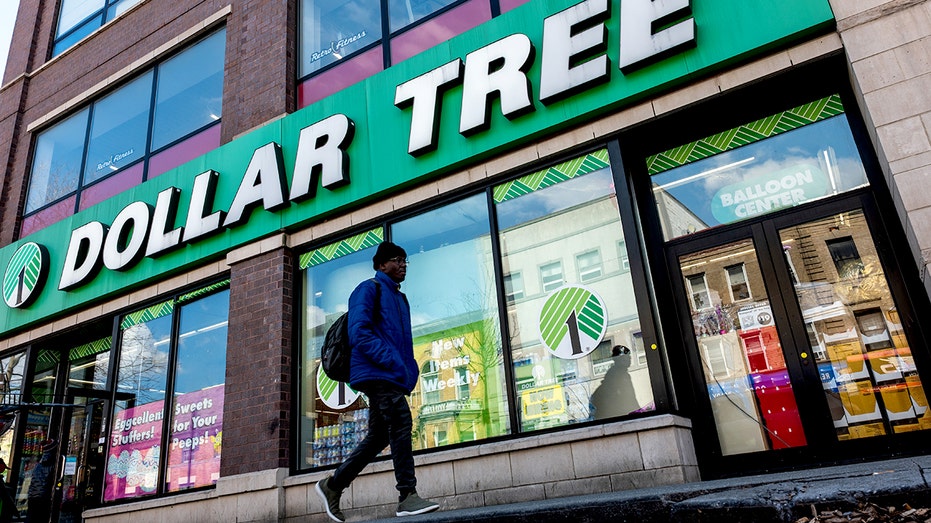
Dollar Tree is opening a rising share of new stores in more affluent areas. (Spencer Platt/Getty Images)
In the last quarter, Dollar Tree reported that 60% of its new customers earn at least six figures. Approximately 30% belong to middle-income households earning between $60,000 and $100,000, while the remaining customers are from lower-income households earning under $60,000.
Although these higher-income customers visit Dollar Tree less frequently than their lower-income counterparts, they spend an average of $1 more per visit. If they were to increase their visits by just one additional trip per year, it could potentially boost annual sales by $1 billion.
INFLATION EASED SLIGHTLY IN JANUARY BUT REMAINED WELL ABOVE THE FED’S TARGET
| Ticker | Security | Last | Change | Change % |
|---|---|---|---|---|
| DLTR | DOLLAR TREE INC. | 126.06 | -2.37 | -1.85% |
Dollar Tree CEO Michael Creedon stated late last year that the retailer is catering to “an increasingly broad spectrum of shoppers, from core value-focused households to middle- and higher-income shoppers who are making deliberate choices about how and where they spend.” He emphasized that the data shows Dollar Tree is not just for tough times or those with limited resources.
DOLLAR GENERAL SEES INCREASE IN HIGHER-INCOME SHOPPERS LOOKING TO STRETCH THEIR DOLLARS
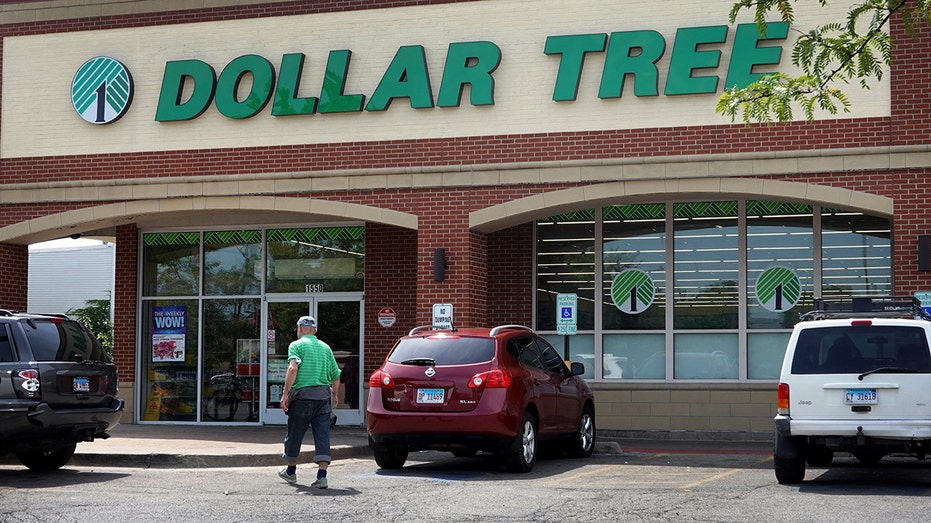
Dollar Tree is looking to attract more higher-income customers. (Scott Olson/Getty Images)
Creedon noted that while the average spending per household for higher-income customers is currently lower, this is primarily due to their lower visit frequency. He believes there is significant potential for growth in purchase frequency among these customers, as many are still early in their relationship with Dollar Tree.
Shifts in consumer shopping preferences have also played a role in this strategic pivot, as more households are opting to trade down to manage higher expenses due to inflation. The rising costs of essentials like groceries and household items have prompted many consumers to seek out stores known for their discount pricing, such as Dollar Tree, Dollar General, Walmart, and Aldi.
Max Levchin, CEO of Affirm, provides insights into consumer spending habits based on Affirm’s data on ‘The Claman Countdown.’
Discount retailer Dollar Tree is strategically opening new stores in more affluent areas, aiming to attract higher-income customers who tend to spend more during each shopping trip, according to a recent report.
An analysis by Bloomberg News reveals that 49% of new Dollar Tree locations opened in the last six years are situated in wealthier parts of metropolitan areas, a notable increase from 41% in the previous six years. Furthermore, the percentage of new stores in ZIP codes with significantly higher incomes compared to the broader metro area rose to 19%, up from 16% in the prior period. Conversely, the share of new stores in lower-income ZIP codes decreased from 20% to 14%.
Historically, dollar stores have experienced a surge in business during economic downturns, as consumers seek to economize. However, with higher-income households now driving a significant portion of consumer spending, this shift aims to attract those shoppers more frequently.
WHY SHOPPERS MAKING SIX FIGURES ARE GIVING DOLLAR TREE A BOOST
Dollar Tree is opening a rising share of new stores in more affluent areas. (Spencer Platt/Getty Images)
In the last quarter, Dollar Tree reported that 60% of its new customers earn at least six figures. Approximately 30% belong to middle-income households earning between $60,000 and $100,000, while the remaining customers are from lower-income households earning under $60,000.
Although these higher-income customers visit Dollar Tree less frequently than their lower-income counterparts, they spend an average of $1 more per visit. If they were to increase their visits by just one additional trip per year, it could potentially boost annual sales by $1 billion.
INFLATION EASED SLIGHTLY IN JANUARY BUT REMAINED WELL ABOVE THE FED’S TARGET
| Ticker | Security | Last | Change | Change % |
|---|---|---|---|---|
| DLTR | DOLLAR TREE INC. | 126.06 | -2.37 | -1.85% |
Dollar Tree CEO Michael Creedon stated late last year that the retailer is catering to “an increasingly broad spectrum of shoppers, from core value-focused households to middle- and higher-income shoppers who are making deliberate choices about how and where they spend.” He emphasized that the data shows Dollar Tree is not just for tough times or those with limited resources.
DOLLAR GENERAL SEES INCREASE IN HIGHER-INCOME SHOPPERS LOOKING TO STRETCH THEIR DOLLARS
Dollar Tree is looking to attract more higher-income customers. (Scott Olson/Getty Images)
Creedon noted that while the average spending per household for higher-income customers is currently lower, this is primarily due to their lower visit frequency. He believes there is significant potential for growth in purchase frequency among these customers, as many are still early in their relationship with Dollar Tree.
Shifts in consumer shopping preferences have also played a role in this strategic pivot, as more households are opting to trade down to manage higher expenses due to inflation. The rising costs of essentials like groceries and household items have prompted many consumers to seek out stores known for their discount pricing, such as Dollar Tree, Dollar General, Walmart, and Aldi.