EEOC Leader Encourages White Men to Speak Out Against Discrimination
The head of the U.S. agency responsible for enforcing workplace civil rights recently made headlines with a social media call-out directed at white men who may have faced race or sex discrimination in their workplaces.
“Are you a white male who has experienced discrimination at work based on your race or sex? You may have a claim to recover money under federal civil rights laws,” stated U.S. Equal Employment Opportunity Commission Chair Andrea Lucas in a December 17 post on X. Accompanied by a video, her message encouraged eligible individuals to contact the agency “as soon as possible” and provided a link to the agency’s fact sheet on “DEI-related discrimination” for further details.
Lucas’ post garnered millions of views, appearing shortly after Vice President JD Vance shared an article he claimed “describes the evil of DEI and its consequences,” which also attracted significant attention. In response to Vance’s post, Lucas remarked, “Absolutely right @JDVance. And precisely because this widespread, systemic, unlawful discrimination primarily harmed white men, elites didn’t just turn a blind eye; they celebrated it. Absolutely unacceptable; unlawful; immoral.”
She emphasized that the EEOC “won’t rest until this discrimination is eliminated.” In a follow-up statement, Lucas criticized the “gaslighting” surrounding DEI initiatives, asserting that it’s essential to identify and address discrimination for what it is—race or sex discrimination—and to acknowledge who is affected.
Lucas reiterated that “the EEOC’s doors are open to all,” highlighting that Title VII of the Civil Rights Act of 1964 “protects everyone, including white men.” Since her appointment as acting chair in January, Lucas has shifted the agency’s focus towards “rooting out unlawful DEI-motivated race and sex discrimination,” aligning with former President Donald Trump’s anti-DEI executive orders. Trump appointed Lucas as the agency’s chair in November.
Earlier this year, the EEOC, in collaboration with the Department of Justice, released two “technical assistance” documents aimed at clarifying what constitutes “DEI-related Discrimination at Work.” These documents provided guidance on how employees can file complaints regarding such issues and broadly criticized practices like training, employee resource groups, and fellowship programs, warning that these could violate Title VII depending on their structure.
However, these documents have faced criticism from former agency commissioners for misrepresenting DEI initiatives as legally problematic. David Glasgow, executive director of the Meltzer Center for Diversity, Inclusion, and Belonging at NYU School of Law, argued that Lucas’s recent social media posts reflect a “fundamental misunderstanding of what DEI is.”
“It’s really much more about creating a culture in which you get the most out of everyone who you’re bringing on board, where everyone experiences fairness and equal opportunity, including white men and members of other groups,” Glasgow explained. The Meltzer Center tracks lawsuits that may impact workplace DEI practices, noting 57 cases of workplace discrimination. While individual instances do occur, Glasgow stated he has not observed “any kind of systematic evidence that white men are being discriminated against.”
He pointed out that Fortune 500 CEOs are predominantly white men, suggesting that this demographic is overrepresented in corporate leadership roles. “If DEI has been this engine of discrimination against white men, I have to say it hasn’t really been doing a very good job at achieving that,” Glasgow remarked.
Jenny Yang, a former EEOC chair and current partner at Outten & Golden, described it as “unusual” and “problematic” for the agency’s head to specifically target a demographic group for civil rights enforcement. “It suggests some sort of priority treatment,” Yang noted, adding that this approach contradicts the principle of equal opportunity for all.
Yang also highlighted that the agency has deprioritized or dropped discrimination complaints from transgender workers, raising concerns about the EEOC’s resource allocation and priorities. “It worries me that a message is being sent that the EEOC only cares about some workers and not others,” she said.
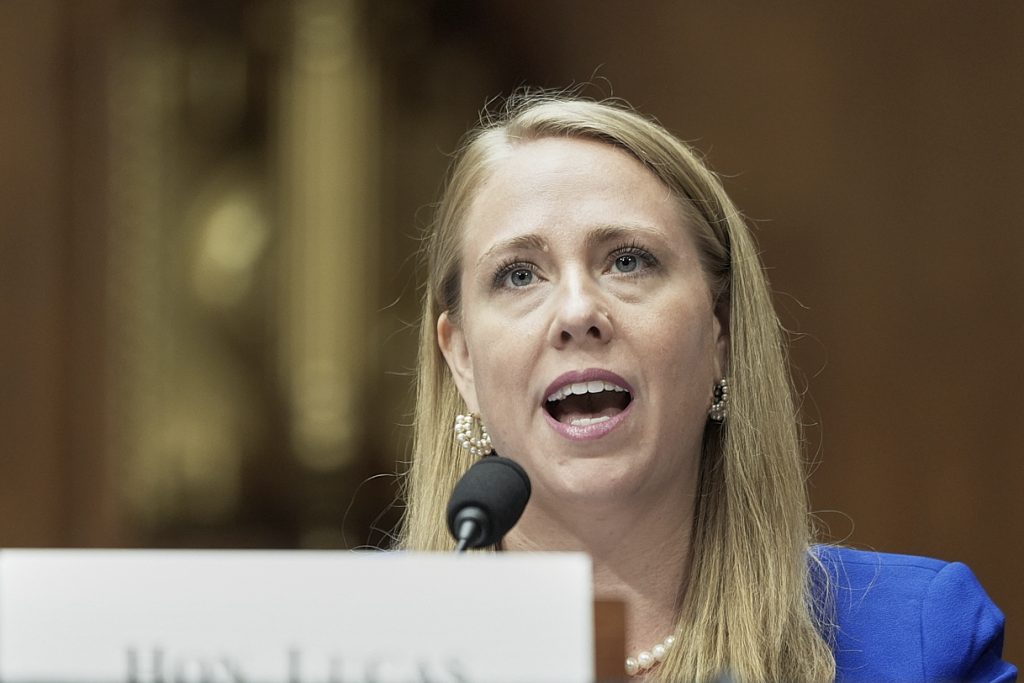
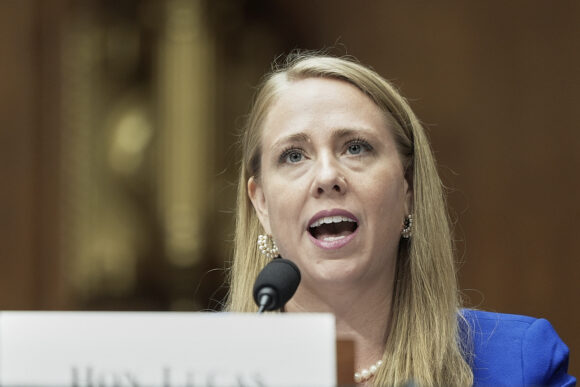
Photo: Andrea Lucas. (AP Photo/Mariam Zuhaib, File)
Copyright 2025 Associated Press. All rights reserved. This material may not be published, broadcast, rewritten or redistributed.
The most important insurance news, in your inbox every business day.
Get the insurance industry’s trusted newsletter
The head of the U.S. agency responsible for enforcing workplace civil rights recently made headlines with a social media call-out directed at white men who may have faced race or sex discrimination in their workplaces.
“Are you a white male who has experienced discrimination at work based on your race or sex? You may have a claim to recover money under federal civil rights laws,” stated U.S. Equal Employment Opportunity Commission Chair Andrea Lucas in a December 17 post on X. Accompanied by a video, her message encouraged eligible individuals to contact the agency “as soon as possible” and provided a link to the agency’s fact sheet on “DEI-related discrimination” for further details.
Lucas’ post garnered millions of views, appearing shortly after Vice President JD Vance shared an article he claimed “describes the evil of DEI and its consequences,” which also attracted significant attention. In response to Vance’s post, Lucas remarked, “Absolutely right @JDVance. And precisely because this widespread, systemic, unlawful discrimination primarily harmed white men, elites didn’t just turn a blind eye; they celebrated it. Absolutely unacceptable; unlawful; immoral.”
She emphasized that the EEOC “won’t rest until this discrimination is eliminated.” In a follow-up statement, Lucas criticized the “gaslighting” surrounding DEI initiatives, asserting that it’s essential to identify and address discrimination for what it is—race or sex discrimination—and to acknowledge who is affected.
Lucas reiterated that “the EEOC’s doors are open to all,” highlighting that Title VII of the Civil Rights Act of 1964 “protects everyone, including white men.” Since her appointment as acting chair in January, Lucas has shifted the agency’s focus towards “rooting out unlawful DEI-motivated race and sex discrimination,” aligning with former President Donald Trump’s anti-DEI executive orders. Trump appointed Lucas as the agency’s chair in November.
Earlier this year, the EEOC, in collaboration with the Department of Justice, released two “technical assistance” documents aimed at clarifying what constitutes “DEI-related Discrimination at Work.” These documents provided guidance on how employees can file complaints regarding such issues and broadly criticized practices like training, employee resource groups, and fellowship programs, warning that these could violate Title VII depending on their structure.
However, these documents have faced criticism from former agency commissioners for misrepresenting DEI initiatives as legally problematic. David Glasgow, executive director of the Meltzer Center for Diversity, Inclusion, and Belonging at NYU School of Law, argued that Lucas’s recent social media posts reflect a “fundamental misunderstanding of what DEI is.”
“It’s really much more about creating a culture in which you get the most out of everyone who you’re bringing on board, where everyone experiences fairness and equal opportunity, including white men and members of other groups,” Glasgow explained. The Meltzer Center tracks lawsuits that may impact workplace DEI practices, noting 57 cases of workplace discrimination. While individual instances do occur, Glasgow stated he has not observed “any kind of systematic evidence that white men are being discriminated against.”
He pointed out that Fortune 500 CEOs are predominantly white men, suggesting that this demographic is overrepresented in corporate leadership roles. “If DEI has been this engine of discrimination against white men, I have to say it hasn’t really been doing a very good job at achieving that,” Glasgow remarked.
Jenny Yang, a former EEOC chair and current partner at Outten & Golden, described it as “unusual” and “problematic” for the agency’s head to specifically target a demographic group for civil rights enforcement. “It suggests some sort of priority treatment,” Yang noted, adding that this approach contradicts the principle of equal opportunity for all.
Yang also highlighted that the agency has deprioritized or dropped discrimination complaints from transgender workers, raising concerns about the EEOC’s resource allocation and priorities. “It worries me that a message is being sent that the EEOC only cares about some workers and not others,” she said.
Photo: Andrea Lucas. (AP Photo/Mariam Zuhaib, File)
Copyright 2025 Associated Press. All rights reserved. This material may not be published, broadcast, rewritten or redistributed.
The most important insurance news, in your inbox every business day.
Get the insurance industry’s trusted newsletter