EEOC Reverses Guidance on Enhanced Workplace Protections for LGBTQ Employees
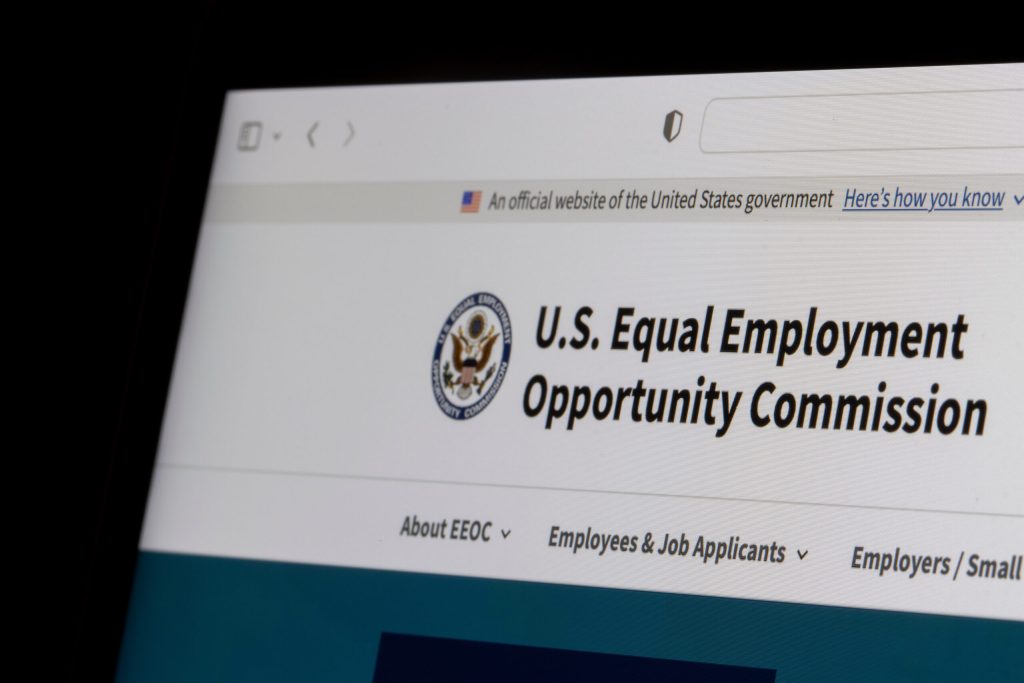
On Thursday, the U.S. Equal Employment Opportunity Commission (EEOC) made headlines by rescinding legal guidance that had previously bolstered protections against unlawful harassment for LGBTQ workers and women who have abortions.
The decision, which passed with a 2-1 vote, repealed the 2024 guidance that had integrated significant court rulings and legislative changes from the past 25 years. This guidance was crucial as it represented the EEOC’s first major update in over two decades.
The EEOC, a five-member commission, is responsible for enforcing federal laws that prohibit workplace discrimination based on various characteristics, including race, sex, religion, and disability. A separate division within the agency, led by the general counsel, reviews discrimination complaints, facilitates settlements, and can initiate lawsuits against employers accused of violating these laws.
While EEOC guidance is not legally binding, it serves as a framework for how the commission intends to enforce anti-discrimination laws. Judges often reference this guidance when addressing novel legal issues.
Since President Donald Trump took office, his appointees at the EEOC have shifted focus away from pursuing cases involving transgender workers and have initiated investigations into workplace diversity policies and alleged antisemitism on college campuses.
Related: Head of EEOC Urges White Men to Report Discrimination
The repeal of the 2024 guidance was anticipated, especially following the recent confirmation of Trump nominee Brittany Panuccio to the commission, which restored a quorum of three members and solidified a Republican 2-1 majority.
The 2024 guidance had taken a broad stance on what constitutes unlawful workplace harassment, asserting that it included discrimination against employees based on their abortion status or contraception use, as well as refusal to use transgender workers’ preferred names and pronouns.
EEOC Chair Andrea Lucas, a Trump appointee, stated prior to the vote that the commission had overstepped its authority by issuing guidance that imposed new obligations on employers rather than simply interpreting existing laws.
However, critics argue that this repeal could deter employers from taking proactive measures against harassment, leaving workers vulnerable. A joint statement from a dozen former EEOC and U.S. Department of Labor officials warned, “This action is likely to increase the amount of harassment that occurs in workplaces across the country.” Most of these officials were appointed by Democratic presidents.
The 2024 guidance also addressed a landmark Supreme Court ruling from 2020, Bostock v. Clayton County, which established that workplace discrimination based on sexual orientation or gender identity constitutes unlawful sex discrimination. Although Bostock primarily dealt with termination, the EEOC had asserted that its reasoning applied to harassment cases involving LGBTQ workers.
However, a federal judge in Texas had previously blocked this aspect of the guidance, deeming it a novel interpretation that exceeded the EEOC’s authority. Additionally, two other judges had prohibited the agency from enforcing the guidance against religious organizations that filed lawsuits.
Interested in Business Insurance?
Get automatic alerts for this topic.
On Thursday, the U.S. Equal Employment Opportunity Commission (EEOC) made headlines by rescinding legal guidance that had previously bolstered protections against unlawful harassment for LGBTQ workers and women who have abortions.
The decision, which passed with a 2-1 vote, repealed the 2024 guidance that had integrated significant court rulings and legislative changes from the past 25 years. This guidance was crucial as it represented the EEOC’s first major update in over two decades.
The EEOC, a five-member commission, is responsible for enforcing federal laws that prohibit workplace discrimination based on various characteristics, including race, sex, religion, and disability. A separate division within the agency, led by the general counsel, reviews discrimination complaints, facilitates settlements, and can initiate lawsuits against employers accused of violating these laws.
While EEOC guidance is not legally binding, it serves as a framework for how the commission intends to enforce anti-discrimination laws. Judges often reference this guidance when addressing novel legal issues.
Since President Donald Trump took office, his appointees at the EEOC have shifted focus away from pursuing cases involving transgender workers and have initiated investigations into workplace diversity policies and alleged antisemitism on college campuses.
Related: Head of EEOC Urges White Men to Report Discrimination
The repeal of the 2024 guidance was anticipated, especially following the recent confirmation of Trump nominee Brittany Panuccio to the commission, which restored a quorum of three members and solidified a Republican 2-1 majority.
The 2024 guidance had taken a broad stance on what constitutes unlawful workplace harassment, asserting that it included discrimination against employees based on their abortion status or contraception use, as well as refusal to use transgender workers’ preferred names and pronouns.
EEOC Chair Andrea Lucas, a Trump appointee, stated prior to the vote that the commission had overstepped its authority by issuing guidance that imposed new obligations on employers rather than simply interpreting existing laws.
However, critics argue that this repeal could deter employers from taking proactive measures against harassment, leaving workers vulnerable. A joint statement from a dozen former EEOC and U.S. Department of Labor officials warned, “This action is likely to increase the amount of harassment that occurs in workplaces across the country.” Most of these officials were appointed by Democratic presidents.
The 2024 guidance also addressed a landmark Supreme Court ruling from 2020, Bostock v. Clayton County, which established that workplace discrimination based on sexual orientation or gender identity constitutes unlawful sex discrimination. Although Bostock primarily dealt with termination, the EEOC had asserted that its reasoning applied to harassment cases involving LGBTQ workers.
However, a federal judge in Texas had previously blocked this aspect of the guidance, deeming it a novel interpretation that exceeded the EEOC’s authority. Additionally, two other judges had prohibited the agency from enforcing the guidance against religious organizations that filed lawsuits.
Interested in Business Insurance?
Get automatic alerts for this topic.