Elderly Fall Prevention: Key Risks and How to Avoid Them
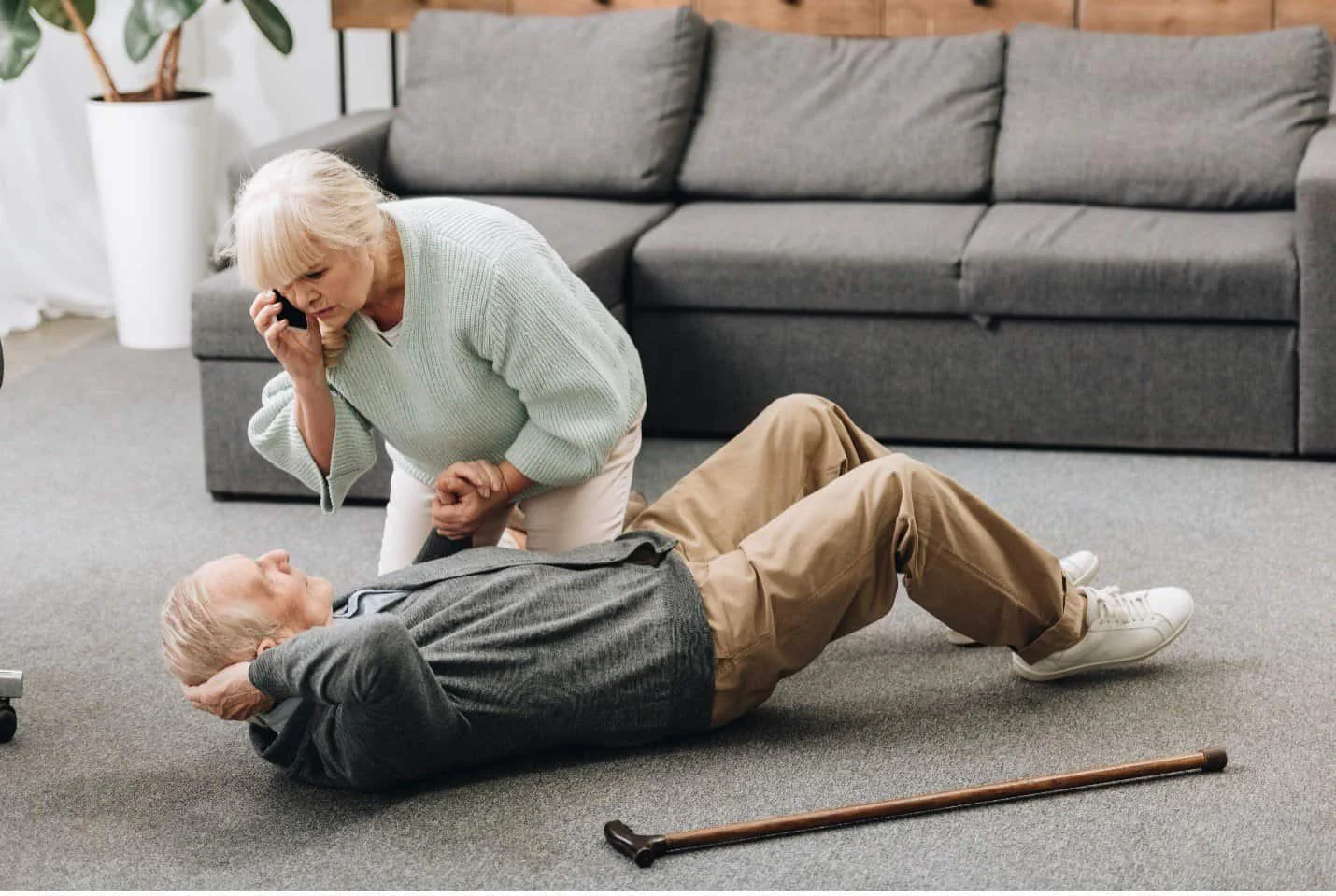
Every year, millions of individuals aged 65 and older experience falls, with many suffering subsequent falls shortly after the first incident. These falls can lead to severe injuries, including fractures and head trauma.
According to the CDC, approximately 800,000 seniors are hospitalized annually due to fall-related injuries. Falls rank as the second leading cause of unintentional fatalities globally and are the primary cause of death among those over 65.
The prevalence of falls and their serious consequences among the elderly is a pressing issue, further complicated by numerous unreported incidents that go untreated.
In this article, we will explore the challenges posed by falls in the elderly, the underlying causes, and the complications that arise from these incidents. Additionally, we will discuss effective preventative measures to mitigate the risk of falls.
Common Causes of Elderly Falls
Identifying the primary causes of falls is crucial, given that they are the leading cause of injuries, hospitalizations, and fatalities among the elderly.
Some common causes of falls in older adults include:
• General Weakness and Osteoporosis
• Medication Side Effects
• Stroke or Heart Attack
Generalized Weakness and Osteoporosis
As people age, muscle strength naturally declines, increasing the risk of falls. Osteoporosis, a condition characterized by brittle and fragile bones often due to deficiencies in calcium or vitamin D, is also prevalent among the elderly. The combination of weakened muscles and fragile bones significantly heightens the risk of falling.
Medication Side Effects
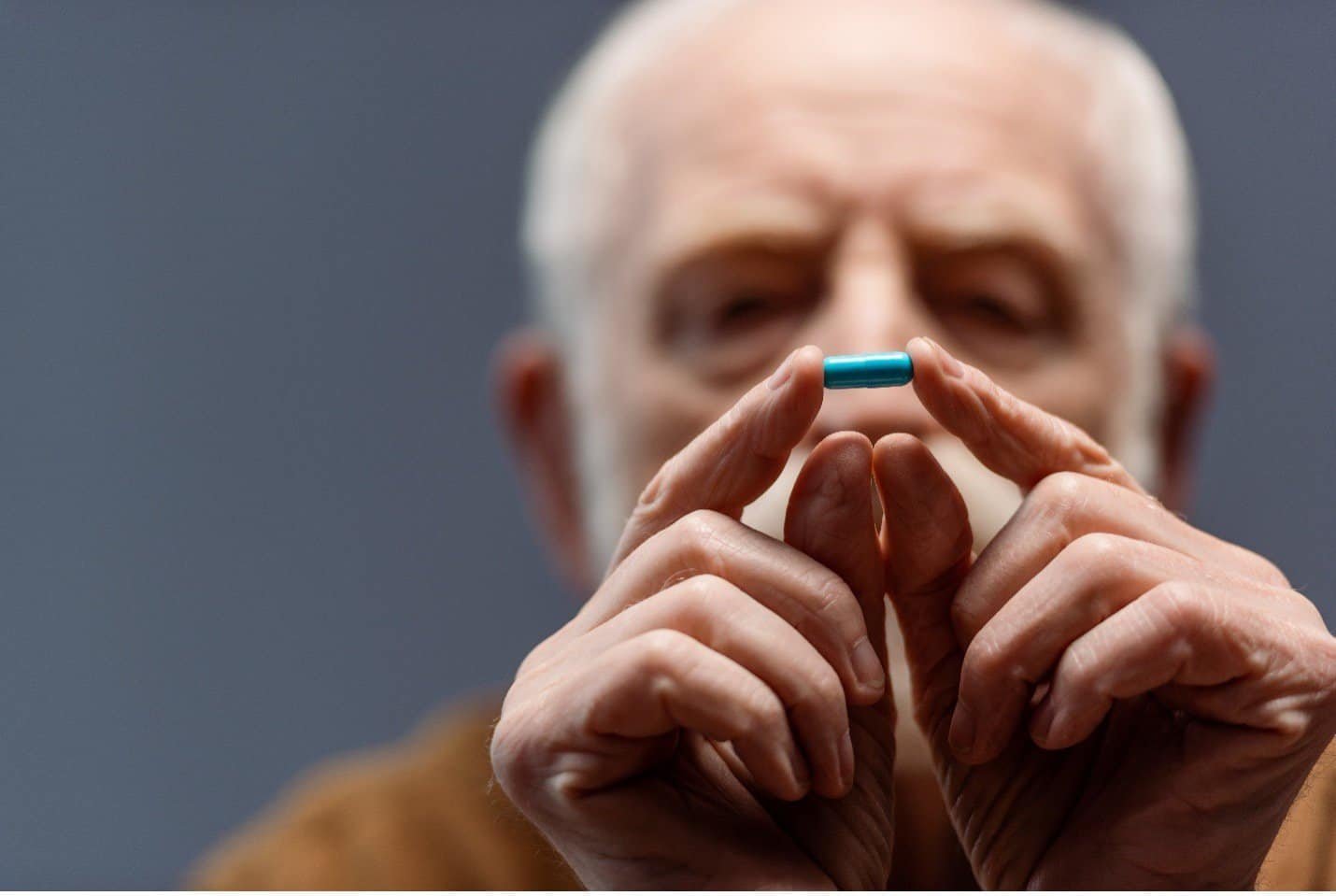
Certain medications pose a well-documented risk for falls. For instance, medications prescribed for high blood pressure and heart conditions can lead to dizziness and fainting. Some individuals may experience a significant drop in resting blood pressure, increasing the likelihood of dizziness and falls. Additionally, specific heart medications can have similar side effects.
Stroke or Heart Attack
Acute medical events, such as strokes or heart attacks, can also contribute to falls among the elderly.
Other factors that may lead to falls include impaired vision, slow reflexes, and cognitive decline.
Complications of Elderly Falls
The complications arising from falls in the elderly can be severe, with risks particularly high in this demographic.
Common Complications Associated with Elderly Falls:
• Head Injuries
• Hip Fractures
• Bleeding Complications
Head Injuries
Elderly individuals are more susceptible to head injuries during falls, as they may be less able to protect themselves compared to younger individuals. These injuries can range from minor bruises to severe traumatic brain injuries, with the highest incidence occurring in those over 85.
Hip Fractures
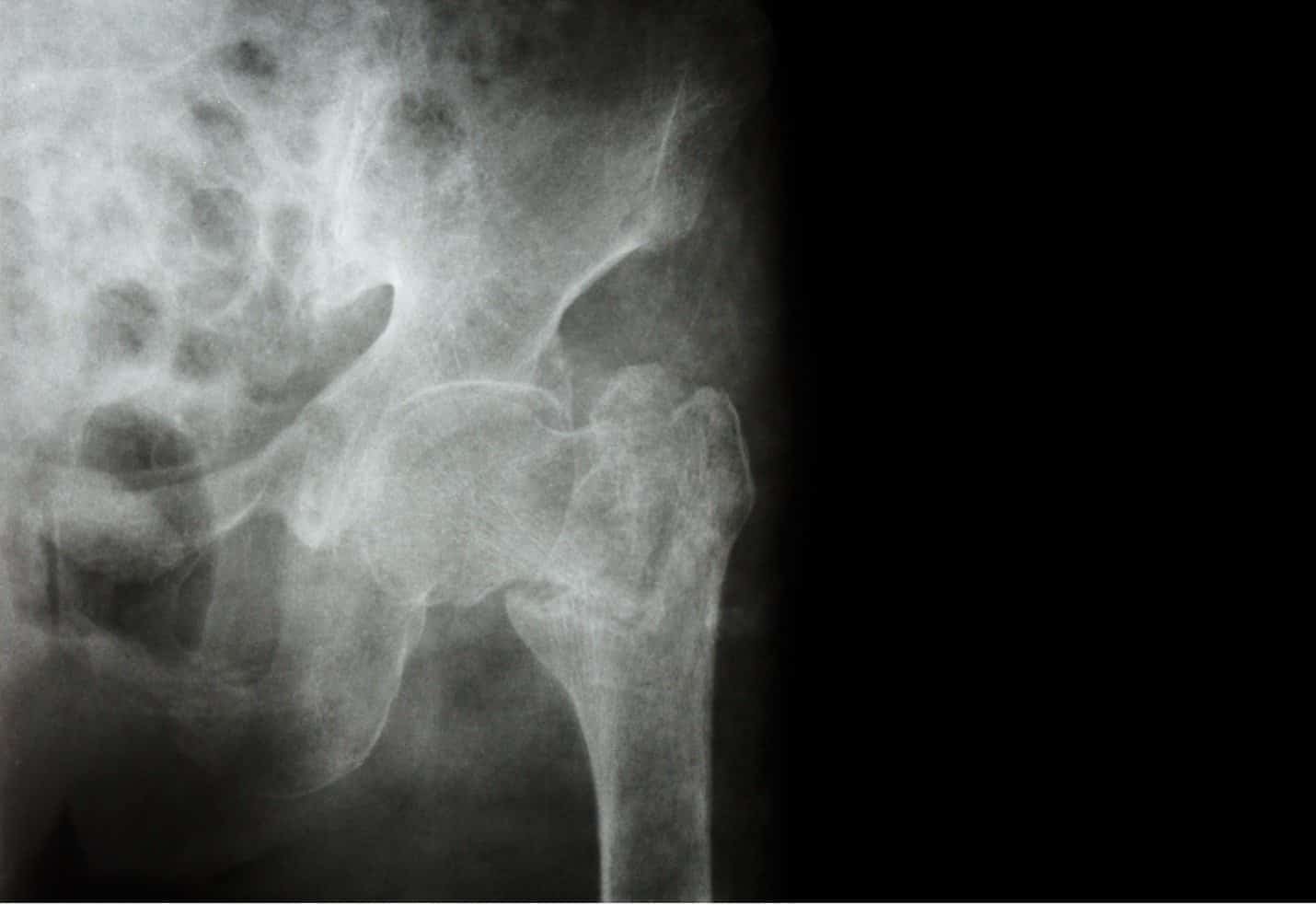
The incidence of hip fractures among the elderly is on the rise, with falls accounting for 95% of these injuries in individuals over 65.
Bleeding Complications
Elderly individuals on blood thinners face a heightened risk of bleeding complications following a fall. For instance, head injuries that result in scalp lacerations can be particularly severe, as the scalp is highly vascular.
Preventative Measures for Falls in The Elderly
Since many causes of falls are linked to sedentary lifestyles, effective preventative measures often include regular exercise and physical activity.
Some of the best strategies for reducing fall risk among seniors include engaging in exercise, making environmental adjustments, implementing creative interventions, and utilizing mobility aids like walkers and wheelchairs when necessary. It’s essential for older adults to recognize that their age may require specific behavioral adjustments and to be open to accepting help with certain tasks.
In some cases, exploring senior living options may be beneficial, providing specialized care that can help lower the risk of falls while ensuring assistance is available in case of an incident.
Features like walk-in tubs can enhance safety in bathrooms, offering low thresholds for entry and various safety features for peace of mind.
When taking medications for blood pressure or heart conditions, it’s crucial to monitor blood pressure throughout the day to ensure the dosage is appropriate and does not lead to dangerously low levels. Using a cane or walker can provide additional support when starting new medications. Furthermore, healthcare providers should assess whether the risk of falls outweighs the benefits of medication for elderly patients.
Every year, millions of individuals aged 65 and older experience falls, with many suffering subsequent falls shortly after the first incident. These falls can lead to severe injuries, including fractures and head trauma.
According to the CDC, approximately 800,000 seniors are hospitalized annually due to fall-related injuries. Falls rank as the second leading cause of unintentional fatalities globally and are the primary cause of death among those over 65.
The prevalence of falls and their serious consequences among the elderly is a pressing issue, further complicated by numerous unreported incidents that go untreated.
In this article, we will explore the challenges posed by falls in the elderly, the underlying causes, and the complications that arise from these incidents. Additionally, we will discuss effective preventative measures to mitigate the risk of falls.
Common Causes of Elderly Falls
Identifying the primary causes of falls is crucial, given that they are the leading cause of injuries, hospitalizations, and fatalities among the elderly.
Some common causes of falls in older adults include:
• General Weakness and Osteoporosis
• Medication Side Effects
• Stroke or Heart Attack
Generalized Weakness and Osteoporosis
As people age, muscle strength naturally declines, increasing the risk of falls. Osteoporosis, a condition characterized by brittle and fragile bones often due to deficiencies in calcium or vitamin D, is also prevalent among the elderly. The combination of weakened muscles and fragile bones significantly heightens the risk of falling.
Medication Side Effects
Certain medications pose a well-documented risk for falls. For instance, medications prescribed for high blood pressure and heart conditions can lead to dizziness and fainting. Some individuals may experience a significant drop in resting blood pressure, increasing the likelihood of dizziness and falls. Additionally, specific heart medications can have similar side effects.
Stroke or Heart Attack
Acute medical events, such as strokes or heart attacks, can also contribute to falls among the elderly.
Other factors that may lead to falls include impaired vision, slow reflexes, and cognitive decline.
Complications of Elderly Falls
The complications arising from falls in the elderly can be severe, with risks particularly high in this demographic.
Common Complications Associated with Elderly Falls:
• Head Injuries
• Hip Fractures
• Bleeding Complications
Head Injuries
Elderly individuals are more susceptible to head injuries during falls, as they may be less able to protect themselves compared to younger individuals. These injuries can range from minor bruises to severe traumatic brain injuries, with the highest incidence occurring in those over 85.
Hip Fractures
The incidence of hip fractures among the elderly is on the rise, with falls accounting for 95% of these injuries in individuals over 65.
Bleeding Complications
Elderly individuals on blood thinners face a heightened risk of bleeding complications following a fall. For instance, head injuries that result in scalp lacerations can be particularly severe, as the scalp is highly vascular.
Preventative Measures for Falls in The Elderly
Since many causes of falls are linked to sedentary lifestyles, effective preventative measures often include regular exercise and physical activity.
Some of the best strategies for reducing fall risk among seniors include engaging in exercise, making environmental adjustments, implementing creative interventions, and utilizing mobility aids like walkers and wheelchairs when necessary. It’s essential for older adults to recognize that their age may require specific behavioral adjustments and to be open to accepting help with certain tasks.
In some cases, exploring senior living options may be beneficial, providing specialized care that can help lower the risk of falls while ensuring assistance is available in case of an incident.
Features like walk-in tubs can enhance safety in bathrooms, offering low thresholds for entry and various safety features for peace of mind.
When taking medications for blood pressure or heart conditions, it’s crucial to monitor blood pressure throughout the day to ensure the dosage is appropriate and does not lead to dangerously low levels. Using a cane or walker can provide additional support when starting new medications. Furthermore, healthcare providers should assess whether the risk of falls outweighs the benefits of medication for elderly patients.