Emerging Group Aims to Position Florida as a Leading Hub for Captive Insurance

While it may be too late for the 2026 legislative session, a newly formed group in Florida is optimistic about paving the way for a new set of laws aimed at transforming the state into a leading domicile for captive insurance companies. By this time next year, they hope to be well on their way to achieving this ambitious goal.
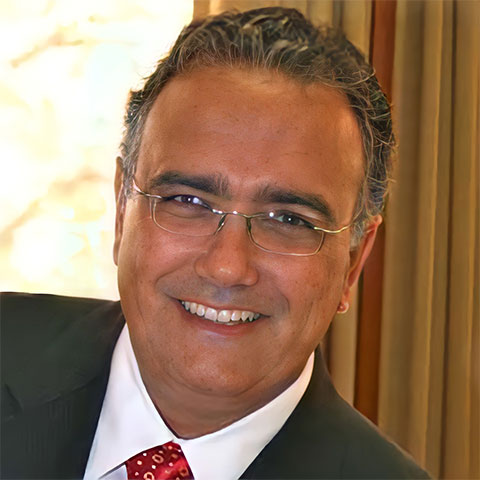
“Our target is to establish 200 captives in Florida within the next five to ten years—ideally, within five years,” stated Andre Teixeira, chairman of the Florida Captive Insurance Association, which was established just last summer.
Captive insurance companies offer Florida corporations a chance to save on premiums by gaining more control over their insurance costs. These captives often face less stringent surplus requirements, allowing companies to leverage their planned captives to negotiate better terms with insurance carriers, thus reducing or avoiding higher premiums at renewal, according to Teixeira.
Achieving the goal of 200 captives would represent a significant shift for Florida, which currently hosts only a handful. To facilitate this growth, the association has engaged with leaders from the state Office of Insurance Regulation and legislators. They are advocating for a reduction in the premium tax on captives, from the current 1.75% on gross premiums to a more competitive rate of 0.3% to 0.4%, similar to that of captive-friendly states like Vermont, North Carolina, and Tennessee.
These states have long been recognized for their supportive environments for captives. For instance, Vermont reported 677 captives at the end of last year, while North Carolina had around 293, and Tennessee noted 182, according to their respective insurance regulators.
Teixeira, who also serves as executive vice president and chief financial officer of The Graham Companies, a major South Florida real estate developer, is acutely aware of these statistics. Like many businesses in Florida, The Graham Companies faced soaring property and liability insurance premiums in the early 2020s, with annual premiums peaking at $9 million—despite having no claims.
Initially, the company aimed to establish its own captive in Florida. However, due to the state’s relatively high premium tax, they opted to set up their insurance arm in Utah, where there is no premium tax on captives, only a $7,500 annual fee. This decision necessitated a physical presence in Utah and the hiring of local accountants and attorneys.
“We’d like to shift those dollars back to Florida,” Teixeira remarked.
Another motivating factor for increasing Florida-based captives is the state’s aggressive enforcement of a separate 5.3% tax on insurance procured outside Florida without the assistance of a local broker or agent, explained Ben Stearns, attorney and secretary of the Florida Captive Insurance Association. He recently discussed the association’s initiatives in Captive International.
Stearns mentioned that a bill currently in the Florida Legislature could potentially be amended to address captive insurance tax issues. Senate Bill 990, which is scheduled for review by the Senate Banking and Insurance Committee, would authorize protected-cell captives in Florida. A PCC allows legally segregated companies to benefit from the captive insurance model without the full costs associated with a standalone captive insurance company, as outlined in a legislative analysis of the bill.
Protected cells have proven popular in several other states, with North Carolina housing approximately 771 PCCs, according to the NC Department of Insurance.
Even if SB 990 and its House counterpart do not include a reduction in the captive premium tax, these measures indicate that captives are gaining renewed attention in the Sunshine State, potentially paving the way for further legislative action in the future.
However, industry experts caution that while captives can offer significant benefits, they are often lightly regulated and can pose risks, potentially jeopardizing the resources of parent companies. This concern is underscored by the numerous lawsuits stemming from allegedly fraudulent captive plans sold to various organizations in the early 2020s.

Teixeira emphasized that captives can indeed have lower reserve requirements, sometimes as low as $250,000 in unrestricted net assets. However, his vision for Florida-based captives is one of robustness, encouraging them to maintain substantial reserves. For instance, his development firm’s captive holds $20 million in reserve funding, which facilitates easier access to loans and investments.
“If you show the lender that you have $20 million, they feel more comfortable lending you the money you need,” Teixeira explained.
While a reduction in the premium tax on captives might limit future tax revenue for Florida, a thriving captive industry could yield far greater economic benefits for the state. Teixeira estimates that an increase in captives, along with the hiring of accountants, lawyers, and staff, could generate at least $40 million in annual economic impact.
“Many captives for Florida companies are currently domiciled in other states,” Teixeira noted. “Let’s bring them home.”
Topics
Florida
The most important insurance news, in your inbox every business day.
Get the insurance industry’s trusted newsletter
While it may be too late for the 2026 legislative session, a newly formed group in Florida is optimistic about paving the way for a new set of laws aimed at transforming the state into a leading domicile for captive insurance companies. By this time next year, they hope to be well on their way to achieving this ambitious goal.
“Our target is to establish 200 captives in Florida within the next five to ten years—ideally, within five years,” stated Andre Teixeira, chairman of the Florida Captive Insurance Association, which was established just last summer.
Captive insurance companies offer Florida corporations a chance to save on premiums by gaining more control over their insurance costs. These captives often face less stringent surplus requirements, allowing companies to leverage their planned captives to negotiate better terms with insurance carriers, thus reducing or avoiding higher premiums at renewal, according to Teixeira.
Achieving the goal of 200 captives would represent a significant shift for Florida, which currently hosts only a handful. To facilitate this growth, the association has engaged with leaders from the state Office of Insurance Regulation and legislators. They are advocating for a reduction in the premium tax on captives, from the current 1.75% on gross premiums to a more competitive rate of 0.3% to 0.4%, similar to that of captive-friendly states like Vermont, North Carolina, and Tennessee.
These states have long been recognized for their supportive environments for captives. For instance, Vermont reported 677 captives at the end of last year, while North Carolina had around 293, and Tennessee noted 182, according to their respective insurance regulators.
Teixeira, who also serves as executive vice president and chief financial officer of The Graham Companies, a major South Florida real estate developer, is acutely aware of these statistics. Like many businesses in Florida, The Graham Companies faced soaring property and liability insurance premiums in the early 2020s, with annual premiums peaking at $9 million—despite having no claims.
Initially, the company aimed to establish its own captive in Florida. However, due to the state’s relatively high premium tax, they opted to set up their insurance arm in Utah, where there is no premium tax on captives, only a $7,500 annual fee. This decision necessitated a physical presence in Utah and the hiring of local accountants and attorneys.
“We’d like to shift those dollars back to Florida,” Teixeira remarked.
Another motivating factor for increasing Florida-based captives is the state’s aggressive enforcement of a separate 5.3% tax on insurance procured outside Florida without the assistance of a local broker or agent, explained Ben Stearns, attorney and secretary of the Florida Captive Insurance Association. He recently discussed the association’s initiatives in Captive International.
Stearns mentioned that a bill currently in the Florida Legislature could potentially be amended to address captive insurance tax issues. Senate Bill 990, which is scheduled for review by the Senate Banking and Insurance Committee, would authorize protected-cell captives in Florida. A PCC allows legally segregated companies to benefit from the captive insurance model without the full costs associated with a standalone captive insurance company, as outlined in a legislative analysis of the bill.
Protected cells have proven popular in several other states, with North Carolina housing approximately 771 PCCs, according to the NC Department of Insurance.
Even if SB 990 and its House counterpart do not include a reduction in the captive premium tax, these measures indicate that captives are gaining renewed attention in the Sunshine State, potentially paving the way for further legislative action in the future.
However, industry experts caution that while captives can offer significant benefits, they are often lightly regulated and can pose risks, potentially jeopardizing the resources of parent companies. This concern is underscored by the numerous lawsuits stemming from allegedly fraudulent captive plans sold to various organizations in the early 2020s.
Teixeira emphasized that captives can indeed have lower reserve requirements, sometimes as low as $250,000 in unrestricted net assets. However, his vision for Florida-based captives is one of robustness, encouraging them to maintain substantial reserves. For instance, his development firm’s captive holds $20 million in reserve funding, which facilitates easier access to loans and investments.
“If you show the lender that you have $20 million, they feel more comfortable lending you the money you need,” Teixeira explained.
While a reduction in the premium tax on captives might limit future tax revenue for Florida, a thriving captive industry could yield far greater economic benefits for the state. Teixeira estimates that an increase in captives, along with the hiring of accountants, lawyers, and staff, could generate at least $40 million in annual economic impact.
“Many captives for Florida companies are currently domiciled in other states,” Teixeira noted. “Let’s bring them home.”
Topics
Florida
The most important insurance news, in your inbox every business day.
Get the insurance industry’s trusted newsletter