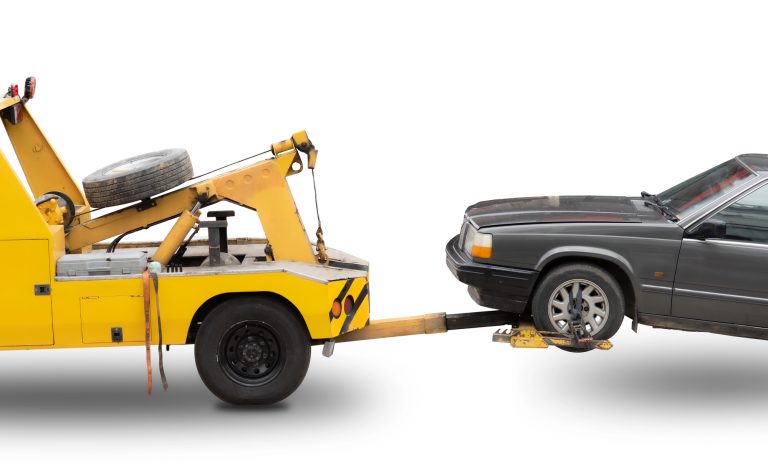
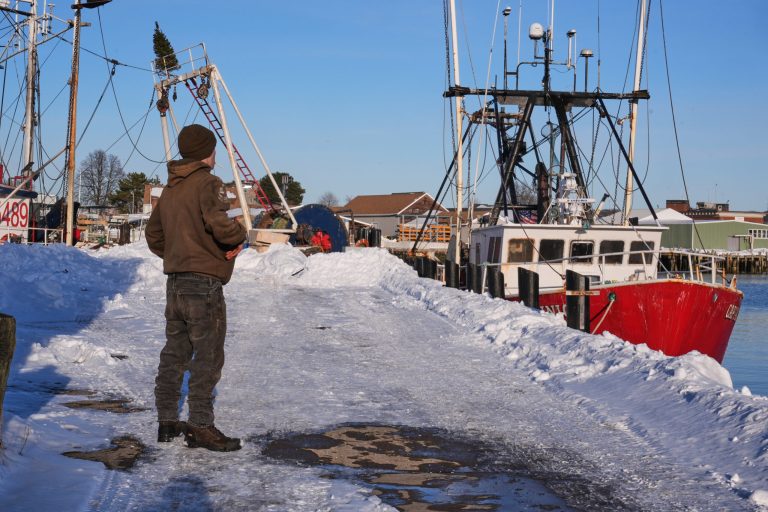
EPA Discovers Chemical Spill Impacting 260 Vehicles in Kansas
The Environmental Protection Agency (EPA) has confirmed the identity of the chemical compound that was spilled in Garnett, Kansas, on December 31, 2025. Recent laboratory analyses have validated the EPA’s preliminary field screening results with a “high level of confidence,” identifying the corrosive substance as sodium aluminate.
Field tests conducted early in the response indicated that the material was a strong base, exhibiting a pH level of 14. Strong bases are reactive chemicals that can undergo various changes when exposed to environmental elements. This reactivity posed challenges in collecting a pure sample for comprehensive analysis.
The laboratory responsible for the analysis successfully accounted for chemical byproducts and reactions present in the samples of the spilled material. The identification of sodium aluminate corroborates the EPA’s initial field screening techniques and analyses conducted during the response. These analyses are crucial for enabling EPA responders to accurately characterize substances and direct their responses effectively.
Sodium aluminate is commonly utilized in several industries, including water and wastewater treatment, paper and glass manufacturing, and as a solidification accelerant in construction. The EPA’s response to the sodium aluminate spill in Garnett was aimed at preventing potential human exposure, as the material was spilled along two miles of roadway and affected over 260 vehicles, attributed to an unknown and still unidentified party.
Throughout the week of January 4, 2026, the EPA treated 266 impacted vehicles in Garnett using a vinegar-water solution, followed by a traditional car wash to ensure safety and cleanliness.
Source: EPA
Was this article valuable?
Here are more articles you may enjoy.
Interested in Chemicals?
Get automatic alerts for this topic.
The Environmental Protection Agency (EPA) has confirmed the identity of the chemical compound that was spilled in Garnett, Kansas, on December 31, 2025. Recent laboratory analyses have validated the EPA’s preliminary field screening results with a “high level of confidence,” identifying the corrosive substance as sodium aluminate.
Field tests conducted early in the response indicated that the material was a strong base, exhibiting a pH level of 14. Strong bases are reactive chemicals that can undergo various changes when exposed to environmental elements. This reactivity posed challenges in collecting a pure sample for comprehensive analysis.
The laboratory responsible for the analysis successfully accounted for chemical byproducts and reactions present in the samples of the spilled material. The identification of sodium aluminate corroborates the EPA’s initial field screening techniques and analyses conducted during the response. These analyses are crucial for enabling EPA responders to accurately characterize substances and direct their responses effectively.
Sodium aluminate is commonly utilized in several industries, including water and wastewater treatment, paper and glass manufacturing, and as a solidification accelerant in construction. The EPA’s response to the sodium aluminate spill in Garnett was aimed at preventing potential human exposure, as the material was spilled along two miles of roadway and affected over 260 vehicles, attributed to an unknown and still unidentified party.
Throughout the week of January 4, 2026, the EPA treated 266 impacted vehicles in Garnett using a vinegar-water solution, followed by a traditional car wash to ensure safety and cleanliness.
Source: EPA
Was this article valuable?
Here are more articles you may enjoy.
Interested in Chemicals?
Get automatic alerts for this topic.