Essential Winter Storm Safety Tips for Drivers from NHTSA
Former Waymo CEO John Krafcik discusses the evolution of self-driving technology and the company’s safety improvements on ‘The Claman Countdown.’
A wide swath of winter weather is expected to slam the U.S. through the weekend, moving from the Southwest through Texas and Oklahoma, across the South and Tennessee Valley. It will eventually reach the Mid-Atlantic coast.
Tens of thousands of accidents occur during snow and sleet conditions, according to federal auto regulators. In 2023, there were an estimated 101,390 police-reported traffic crashes linked to wintry weather, with 22,293 resulting in injuries and 320 being fatal, according to data from the National Highway Traffic Safety Administration (NHTSA).
NHTSA maintains a standing list of safety tips for drivers during hazardous conditions. This guidance is especially critical as a potentially severe winter storm threatens more than 35 states, placing millions under winter storm watches.
Tips from NHTSA on how to stay safe during wintry driving conditions:
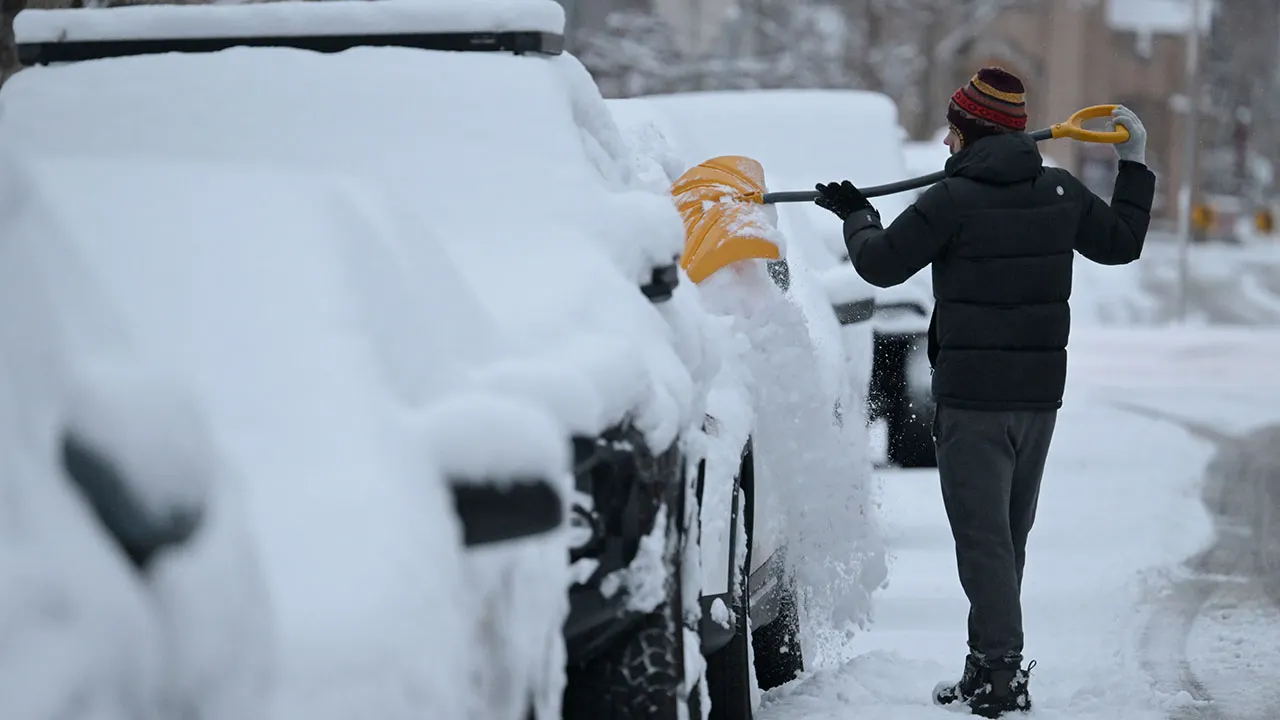
The auto regulator emphasizes that the most basic tip for safety in dangerous weather is to slow down. It’s significantly harder to control or stop a vehicle on slick or snow-covered surfaces. Additionally, increasing the following distance from vehicles ahead allows for ample time to stop.
It’s also crucial to maintain a safe distance from snow plows and to avoid traveling beside these trucks. Snow plows travel slowly, make wide turns, stop often, overlap lanes, and exit the road frequently. If you find yourself behind a snow plow, stay far enough behind it and exercise caution if you need to pass.
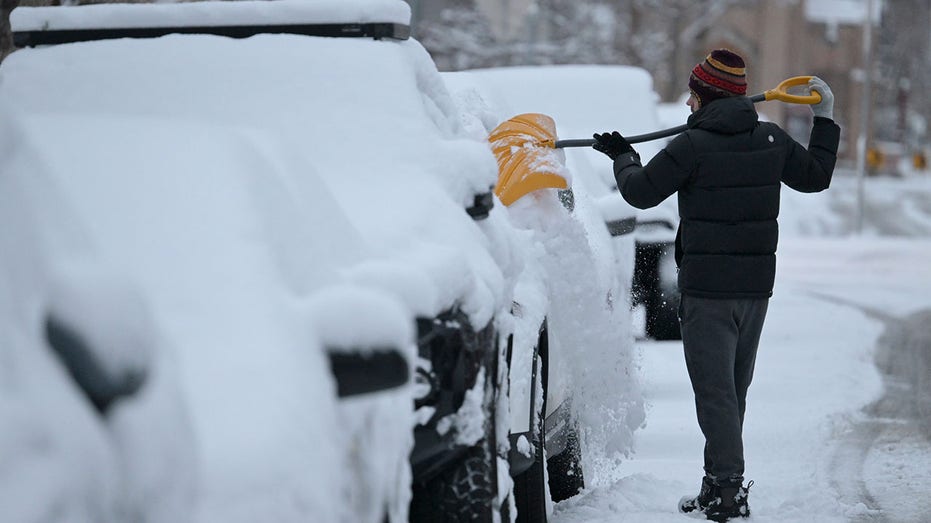
The National Highway Traffic Safety Administration says slowing down is one of the most important things drivers can do in wintry weather. (Hyoung Chang/The Denver Post)
Tire pressure tends to drop when the outside temperature falls, making it essential to ensure each tire is inflated to the vehicle manufacturer’s recommended pressure. This information can be found in the owner’s manual or on a label located on the driver’s side door frame.
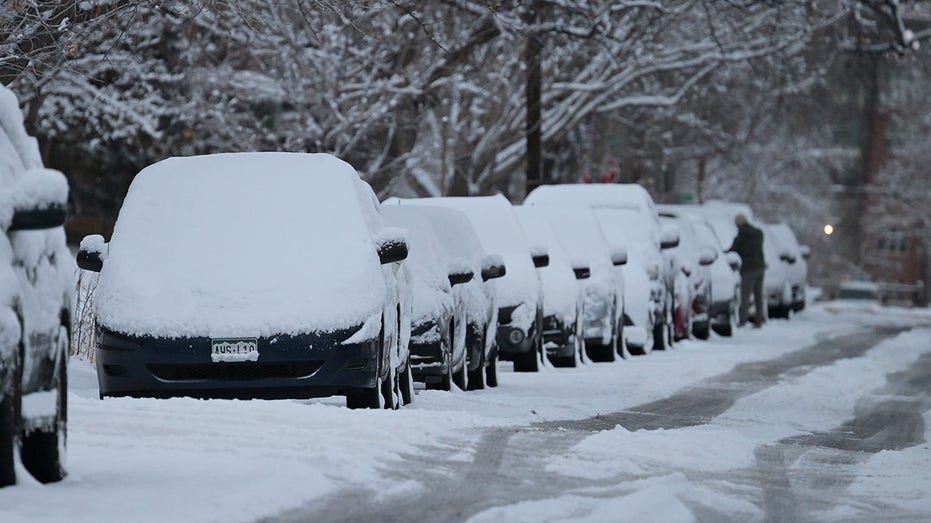
In 2023, there were an estimated 101,390 police-reported traffic crashes linked to wintry weather. (Hyoung Chang/The Denver Post)
It’s crucial not to inflate tires to the pressure listed on the tire itself, as that indicates the maximum pressure the tire can hold, not the recommended pressure for the vehicle.
In cold weather, gasoline and diesel engines require more battery power to start, while electric and hybrid-electric vehicles may experience reduced driving range. Therefore, it’s advisable to have a mechanic check the battery, charging system, belts, and any other necessary repairs or replacements.
WHAT ARE ICE STORMS AND WHY ARE THEY DANGEROUS?
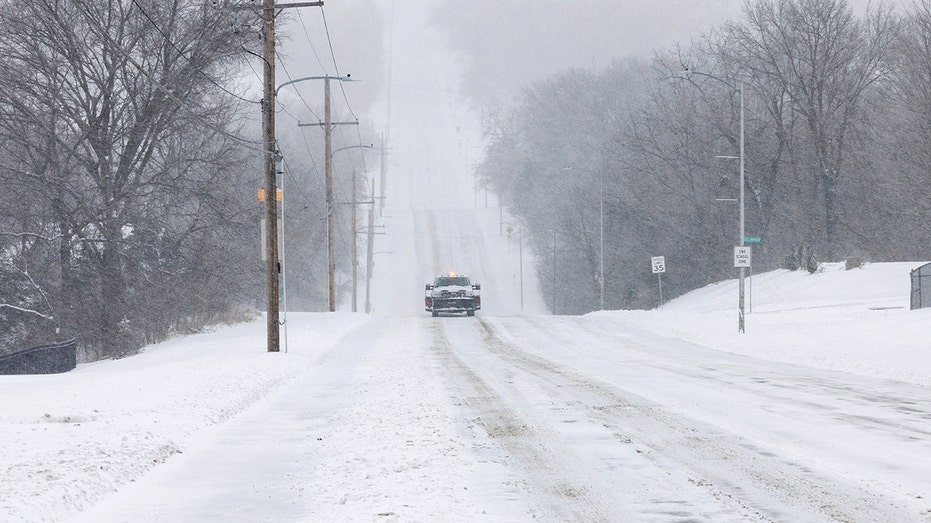
Tens of thousands of accidents occur during snow and sleet conditions, according to federal auto regulators. (Chase Castor/Getty Images)
What to do in an emergency
If your car stops or stalls in inclement weather, it’s vital to stay focused on yourself, your passengers, the vehicle, and your surroundings. Staying with the vehicle is crucial, as overexertion can lead to exhaustion.
To ensure your vehicle is visible if it stalls, place bright markers on the antenna or windows and keep the interior dome light on. Be mindful of carbon monoxide poisoning by ensuring the exhaust pipe is clear of snow. Run your car only intermittently to maintain warmth, and avoid running it for extended periods with the windows up or in enclosed spaces.
Former Waymo CEO John Krafcik discusses the evolution of self-driving technology and the company’s safety improvements on ‘The Claman Countdown.’
A wide swath of winter weather is expected to slam the U.S. through the weekend, moving from the Southwest through Texas and Oklahoma, across the South and Tennessee Valley. It will eventually reach the Mid-Atlantic coast.
Tens of thousands of accidents occur during snow and sleet conditions, according to federal auto regulators. In 2023, there were an estimated 101,390 police-reported traffic crashes linked to wintry weather, with 22,293 resulting in injuries and 320 being fatal, according to data from the National Highway Traffic Safety Administration (NHTSA).
NHTSA maintains a standing list of safety tips for drivers during hazardous conditions. This guidance is especially critical as a potentially severe winter storm threatens more than 35 states, placing millions under winter storm watches.
Tips from NHTSA on how to stay safe during wintry driving conditions:
The auto regulator emphasizes that the most basic tip for safety in dangerous weather is to slow down. It’s significantly harder to control or stop a vehicle on slick or snow-covered surfaces. Additionally, increasing the following distance from vehicles ahead allows for ample time to stop.
It’s also crucial to maintain a safe distance from snow plows and to avoid traveling beside these trucks. Snow plows travel slowly, make wide turns, stop often, overlap lanes, and exit the road frequently. If you find yourself behind a snow plow, stay far enough behind it and exercise caution if you need to pass.
The National Highway Traffic Safety Administration says slowing down is one of the most important things drivers can do in wintry weather. (Hyoung Chang/The Denver Post)
Tire pressure tends to drop when the outside temperature falls, making it essential to ensure each tire is inflated to the vehicle manufacturer’s recommended pressure. This information can be found in the owner’s manual or on a label located on the driver’s side door frame.
In 2023, there were an estimated 101,390 police-reported traffic crashes linked to wintry weather. (Hyoung Chang/The Denver Post)
It’s crucial not to inflate tires to the pressure listed on the tire itself, as that indicates the maximum pressure the tire can hold, not the recommended pressure for the vehicle.
In cold weather, gasoline and diesel engines require more battery power to start, while electric and hybrid-electric vehicles may experience reduced driving range. Therefore, it’s advisable to have a mechanic check the battery, charging system, belts, and any other necessary repairs or replacements.
WHAT ARE ICE STORMS AND WHY ARE THEY DANGEROUS?
Tens of thousands of accidents occur during snow and sleet conditions, according to federal auto regulators. (Chase Castor/Getty Images)
What to do in an emergency
If your car stops or stalls in inclement weather, it’s vital to stay focused on yourself, your passengers, the vehicle, and your surroundings. Staying with the vehicle is crucial, as overexertion can lead to exhaustion.
To ensure your vehicle is visible if it stalls, place bright markers on the antenna or windows and keep the interior dome light on. Be mindful of carbon monoxide poisoning by ensuring the exhaust pipe is clear of snow. Run your car only intermittently to maintain warmth, and avoid running it for extended periods with the windows up or in enclosed spaces.