EU Seizes Global Turmoil to Propel New Single Market Initiative
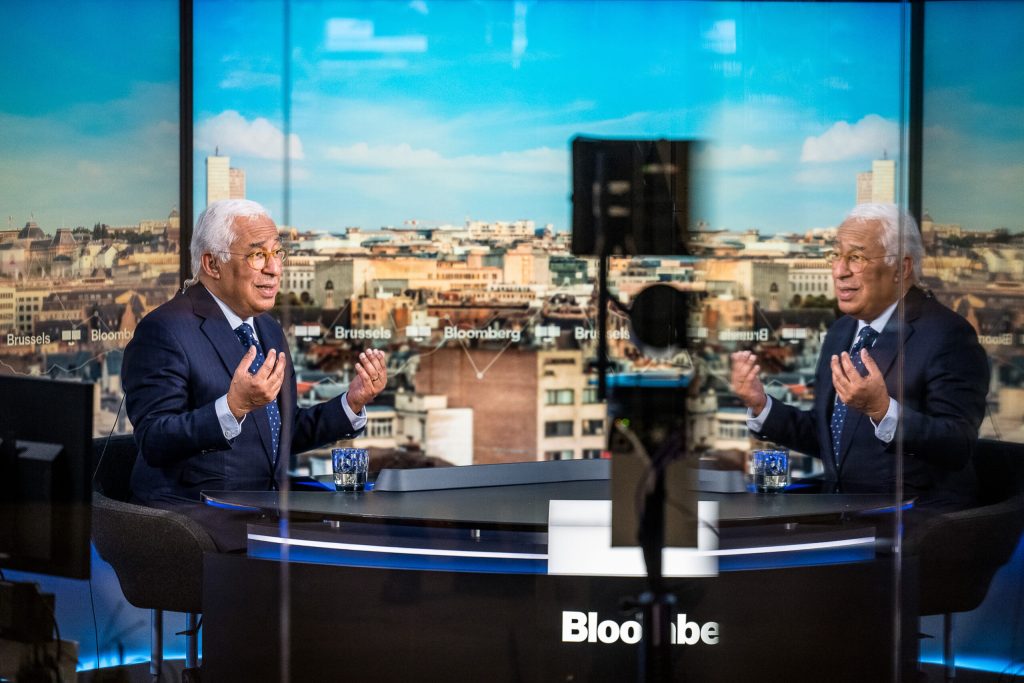
European Council President Antonio Costa has expressed that leaders are prepared to make a renewed effort to unify their markets. He emphasized that a fracturing world order may compel action on long-stalled reforms.
“My feeling is there is a real commitment for all the leaders, and the clear sense of urgency among all of them, that now we need effectively to take decisions with impact,” Costa told Bloomberg News.
Costa plans to discuss these issues on Thursday, gathering all 27 European Union leaders at a historic Belgian castle for a day-long retreat. While significant breakthroughs are not anticipated, the agenda includes discussions on integrating EU markets, prioritizing EU companies in public contracts, and easing regulations to facilitate the creation of larger EU companies. Leaders are expected to reconvene in March to solidify their plans.
“We need to ensure that we have a real European capital market to fund our companies, fund innovation and to be competitive in the global market,” Costa stated.
These remarks resonate with recent calls from Europe’s economic leaders, who have issued a stark warning: if the continent does not expedite these stalled reforms, it risks accelerating its own decline.
This notion is not new; Europe has long contended that economic integration would bolster its competitiveness against the US and China. However, leaders have often faltered, succumbing to logistical challenges, internal disputes, and a lack of focus.
Brussels’ EU leadership, including top executive Ursula von der Leyen, has faced criticism for failing to advance economic reforms.
Costa noted that leaders have become increasingly motivated following US President Donald Trump’s threats to seize Greenland and China’s willingness to weaponize supply chains. “The geoeconomic situation is a very important incentive for the leaders to move forward,” he remarked.
Von der Leyen echoed this sentiment on Wednesday, addressing EU lawmakers. “This is the urgency mindset we need, and we will relentlessly stay the course until we get it all done,” she asserted, promising to propose a single-market “roadmap” with timelines and commitments for enacting changes.
Business leaders are keenly observing whether this time, the commitment is genuine. “The current geopolitical changes can be a genuine opportunity for Europe,” stated Deutsche Bank CEO Christian Sewing. “Right now, however, we are still playing below our potential. We need ambitious and substantial reforms.”
The Problem
As Europe lacks military power, its best chance to assert a global presence lies in its extensive single market, which accounts for roughly 15% of the world’s GDP, representing nearly 450 million potential consumers.
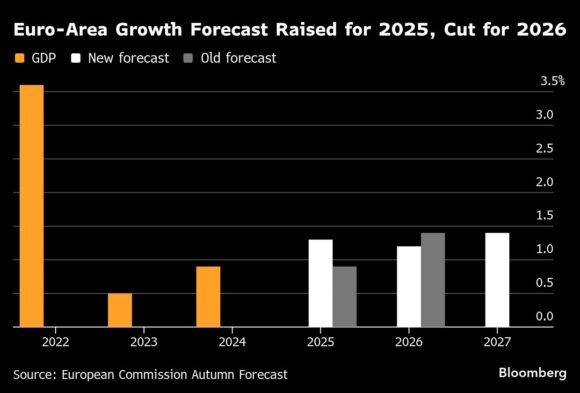
However, the EU’s economic influence is waning. In 2010, the EU’s GDP was comparable to that of the US and significantly ahead of China. Since then, it has fallen behind the US and now stands alongside China, according to the International Monetary Fund.
“We have the second-largest economy in the world, but we are driving it with the handbrake on,” von der Leyen remarked.
EU leaders and top economic officials argue that the single market could still be a formidable force if utilized effectively. Currently, internal barriers hinder business growth, impede worker mobility, and leave capital uninvested, causing Europe to lag while the US and China advance.
“Europe’s convergence engine is stalling,” warned Kristalina Georgieva, the IMF’s managing director, during a recent address to EU commissioners. “It is held back by an incomplete single market and complacency about what it takes to compete in today’s and tomorrow’s world.”
Von der Leyen attempted to frame this challenge positively, stating, “The good news is, this can be fixed.”
Possible Action
Costa indicated that Thursday’s retreat is “a good moment to take stock” of the current situation.
A recent Deutsche Bank research note highlighted that the EU has made only “incremental” and “limited” progress on its competitiveness agenda, focusing more on action plans than actual changes over the past year. However, it suggested that Thursday’s gathering could signal “a reorientation of EU economic policy,” reflecting leaders’ “increasing sense of urgency.”
In the lead-up to the event, officials have been advocating their preferred economic policy ideas through speeches, letters, and closed-door discussions. The German and Italian governments circulated a paper arguing that “continuing on the current path is not an option.” They urged Europe to act decisively.
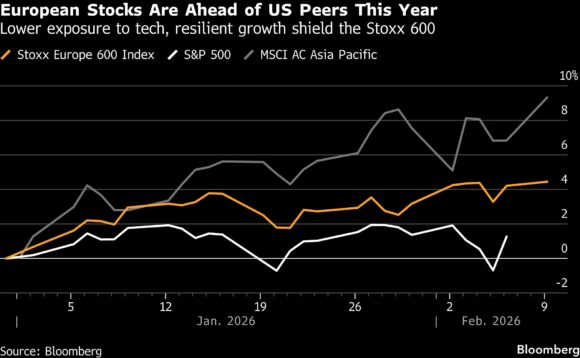
The two largest economies in Europe pressed for fast-track permitting, regular repeals of outdated laws, and stricter scrutiny of new regulations, along with routine progress reports to leaders. They also advocated for a Europe-wide stock exchange and more lenient merger rules to enable European companies to scale up and compete with American tech giants.
Costa broadly agreed, stating that the EU must “look at our competition rules” to “allow companies to scale up to be competitive in the global market.”
The European Central Bank (ECB) also contributed to the dialogue, presenting EU leaders with a five-point checklist. It urged leaders to unify the bloc’s 27 fragmented financial systems, facilitating seamless saving and investment across national borders.
Additionally, the ECB reiterated its call for a digital euro, arguing that this step would help shield Europe and create local alternatives to foreign payment systems.
EU officials and diplomats have recently picked up on this idea as part of discussions regarding Europe’s reliance on US financial services. They have been exploring ways to reduce the dominance of US payment firms like Visa and Mastercard in European transactions and lessen the dollar’s preeminence in international exchanges.
Costa asserted that Europe-based digital options would help diminish these dependencies. “It’s clear that we need to have a payment digital infrastructure in Europe to allow us to make payments without any kind of dependence,” he stated.
French President Emmanuel Macron is also expected to address exchange rates at Thursday’s gathering, particularly in light of the euro’s rising strength against the dollar. While a stronger euro can lower import costs, it may also pose challenges for exporters, potentially hindering growth.
Other nations will voice ongoing concerns about energy costs, which remain double those in the US. Energy-intensive sectors, such as chemicals, are sounding alarms that without price reductions, manufacturers may face dire consequences.
Once again, Costa argued that a single market, along with targeted investments in low-carbon technology and other areas, could provide solutions.
Attending Thursday’s meeting will be some of Europe’s economic elite, including former ECB President Mario Draghi, who has been cautioning that the EU is not moving swiftly enough on his proposed changes.
Draghi and other economic leaders assert that completing long-sought reforms would significantly narrow Europe’s gap with the US and enable it to stand independently if necessary. According to IMF research, Georgieva noted that the EU could enhance productivity by 20% by reducing internal market frictions.
Costa emphasized the existential necessity of reforming the EU’s economy in light of global power dynamics. “I don’t say that the rules-based order has died and we need a new one,” he remarked. “Of course, it’s under threat, but I think we are strong enough to protect the rules-based order.”
“The alternative,” he added, “is chaos.”
Photograph: Antonio Costa in Brussels, on Feb. 10, 2025. Photo credit: Wiktor Dabkowski/Bloomberg
Copyright 2026 Bloomberg.
Topics
Europe
European Council President Antonio Costa has expressed that leaders are prepared to make a renewed effort to unify their markets. He emphasized that a fracturing world order may compel action on long-stalled reforms.
“My feeling is there is a real commitment for all the leaders, and the clear sense of urgency among all of them, that now we need effectively to take decisions with impact,” Costa told Bloomberg News.
Costa plans to discuss these issues on Thursday, gathering all 27 European Union leaders at a historic Belgian castle for a day-long retreat. While significant breakthroughs are not anticipated, the agenda includes discussions on integrating EU markets, prioritizing EU companies in public contracts, and easing regulations to facilitate the creation of larger EU companies. Leaders are expected to reconvene in March to solidify their plans.
“We need to ensure that we have a real European capital market to fund our companies, fund innovation and to be competitive in the global market,” Costa stated.
These remarks resonate with recent calls from Europe’s economic leaders, who have issued a stark warning: if the continent does not expedite these stalled reforms, it risks accelerating its own decline.
This notion is not new; Europe has long contended that economic integration would bolster its competitiveness against the US and China. However, leaders have often faltered, succumbing to logistical challenges, internal disputes, and a lack of focus.
Brussels’ EU leadership, including top executive Ursula von der Leyen, has faced criticism for failing to advance economic reforms.
Costa noted that leaders have become increasingly motivated following US President Donald Trump’s threats to seize Greenland and China’s willingness to weaponize supply chains. “The geoeconomic situation is a very important incentive for the leaders to move forward,” he remarked.
Von der Leyen echoed this sentiment on Wednesday, addressing EU lawmakers. “This is the urgency mindset we need, and we will relentlessly stay the course until we get it all done,” she asserted, promising to propose a single-market “roadmap” with timelines and commitments for enacting changes.
Business leaders are keenly observing whether this time, the commitment is genuine. “The current geopolitical changes can be a genuine opportunity for Europe,” stated Deutsche Bank CEO Christian Sewing. “Right now, however, we are still playing below our potential. We need ambitious and substantial reforms.”
The Problem
As Europe lacks military power, its best chance to assert a global presence lies in its extensive single market, which accounts for roughly 15% of the world’s GDP, representing nearly 450 million potential consumers.
However, the EU’s economic influence is waning. In 2010, the EU’s GDP was comparable to that of the US and significantly ahead of China. Since then, it has fallen behind the US and now stands alongside China, according to the International Monetary Fund.
“We have the second-largest economy in the world, but we are driving it with the handbrake on,” von der Leyen remarked.
EU leaders and top economic officials argue that the single market could still be a formidable force if utilized effectively. Currently, internal barriers hinder business growth, impede worker mobility, and leave capital uninvested, causing Europe to lag while the US and China advance.
“Europe’s convergence engine is stalling,” warned Kristalina Georgieva, the IMF’s managing director, during a recent address to EU commissioners. “It is held back by an incomplete single market and complacency about what it takes to compete in today’s and tomorrow’s world.”
Von der Leyen attempted to frame this challenge positively, stating, “The good news is, this can be fixed.”
Possible Action
Costa indicated that Thursday’s retreat is “a good moment to take stock” of the current situation.
A recent Deutsche Bank research note highlighted that the EU has made only “incremental” and “limited” progress on its competitiveness agenda, focusing more on action plans than actual changes over the past year. However, it suggested that Thursday’s gathering could signal “a reorientation of EU economic policy,” reflecting leaders’ “increasing sense of urgency.”
In the lead-up to the event, officials have been advocating their preferred economic policy ideas through speeches, letters, and closed-door discussions. The German and Italian governments circulated a paper arguing that “continuing on the current path is not an option.” They urged Europe to act decisively.
The two largest economies in Europe pressed for fast-track permitting, regular repeals of outdated laws, and stricter scrutiny of new regulations, along with routine progress reports to leaders. They also advocated for a Europe-wide stock exchange and more lenient merger rules to enable European companies to scale up and compete with American tech giants.
Costa broadly agreed, stating that the EU must “look at our competition rules” to “allow companies to scale up to be competitive in the global market.”
The European Central Bank (ECB) also contributed to the dialogue, presenting EU leaders with a five-point checklist. It urged leaders to unify the bloc’s 27 fragmented financial systems, facilitating seamless saving and investment across national borders.
Additionally, the ECB reiterated its call for a digital euro, arguing that this step would help shield Europe and create local alternatives to foreign payment systems.
EU officials and diplomats have recently picked up on this idea as part of discussions regarding Europe’s reliance on US financial services. They have been exploring ways to reduce the dominance of US payment firms like Visa and Mastercard in European transactions and lessen the dollar’s preeminence in international exchanges.
Costa asserted that Europe-based digital options would help diminish these dependencies. “It’s clear that we need to have a payment digital infrastructure in Europe to allow us to make payments without any kind of dependence,” he stated.
French President Emmanuel Macron is also expected to address exchange rates at Thursday’s gathering, particularly in light of the euro’s rising strength against the dollar. While a stronger euro can lower import costs, it may also pose challenges for exporters, potentially hindering growth.
Other nations will voice ongoing concerns about energy costs, which remain double those in the US. Energy-intensive sectors, such as chemicals, are sounding alarms that without price reductions, manufacturers may face dire consequences.
Once again, Costa argued that a single market, along with targeted investments in low-carbon technology and other areas, could provide solutions.
Attending Thursday’s meeting will be some of Europe’s economic elite, including former ECB President Mario Draghi, who has been cautioning that the EU is not moving swiftly enough on his proposed changes.
Draghi and other economic leaders assert that completing long-sought reforms would significantly narrow Europe’s gap with the US and enable it to stand independently if necessary. According to IMF research, Georgieva noted that the EU could enhance productivity by 20% by reducing internal market frictions.
Costa emphasized the existential necessity of reforming the EU’s economy in light of global power dynamics. “I don’t say that the rules-based order has died and we need a new one,” he remarked. “Of course, it’s under threat, but I think we are strong enough to protect the rules-based order.”
“The alternative,” he added, “is chaos.”
Photograph: Antonio Costa in Brussels, on Feb. 10, 2025. Photo credit: Wiktor Dabkowski/Bloomberg
Copyright 2026 Bloomberg.
Topics
Europe