FedEx Takes Legal Action Against US Government for Refund of Trump Tariffs
FOX Business host Larry Kudlow discusses the ramifications of the Supreme Court striking down the president’s tariffs on ‘Kudlow.’
In a significant legal move, FedEx has filed a lawsuit against the U.S. government, seeking a full refund of tariffs imposed under President Donald Trump’s order aimed at imports. This lawsuit marks one of the most high-profile actions taken by a major American corporation following the Supreme Court’s recent ruling.
On Friday, the Supreme Court ruled 6-3 that President Trump lacked the authority under the International Emergency Economic Powers Act (IEEPA) to impose such tariffs. The complaint, lodged against the government and U.S. Customs and Border Protection (CBP) in the Court of International Trade, claims that FedEx incurred additional costs to expedite shipments through customs and is entitled to a refund of duties, along with interest and compensation for financial damages.
In its lawsuit, FedEx stated, “Plaintiffs seek for themselves a full refund from Defendants of all IEEPA duties Plaintiffs have paid to the United States.”
SUPREME COURT DEALS BLOW TO TRUMP’S TRADE AGENDA IN LANDMARK TARIFF CASE
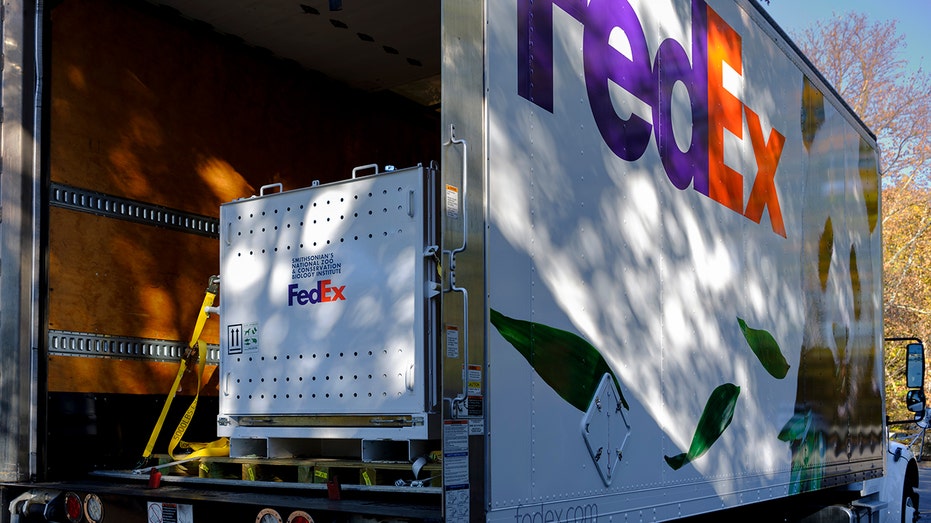
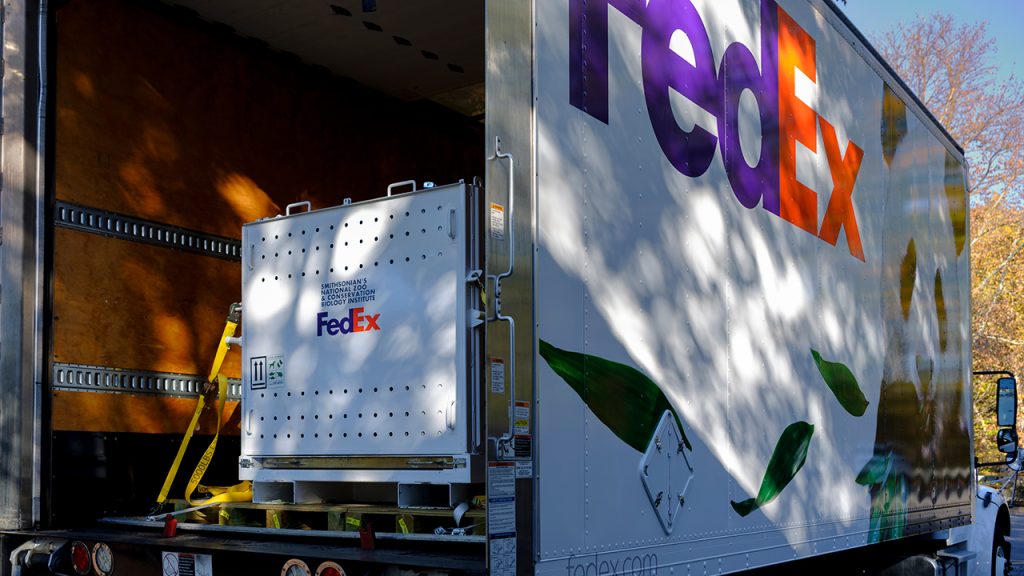
The lawsuit does not disclose how much FedEx has paid in tariffs. (FedEx)
In a statement to FOX Business, FedEx emphasized, “Supporting our customers as they navigate regulatory changes remains our priority.” The company added, “FedEx has taken necessary action to protect the company’s rights as an importer of record to seek duty refunds from U.S. Customs and Border Protection following the U.S. Supreme Court’s ruling that the tariffs issued under the International Emergency Economic Powers Act (IEEPA) are unlawful.”
While the lawsuit does not specify the total amount FedEx has paid in tariffs, the shipping giant previously indicated that it anticipated a $1 billion impact on its fiscal-year earnings due to U.S. trade policies, a portion of which relates to IEEPA duties.
US TARIFF REVENUE UP 300% UNDER TRUMP AS SUPREME COURT BATTLE LOOMS
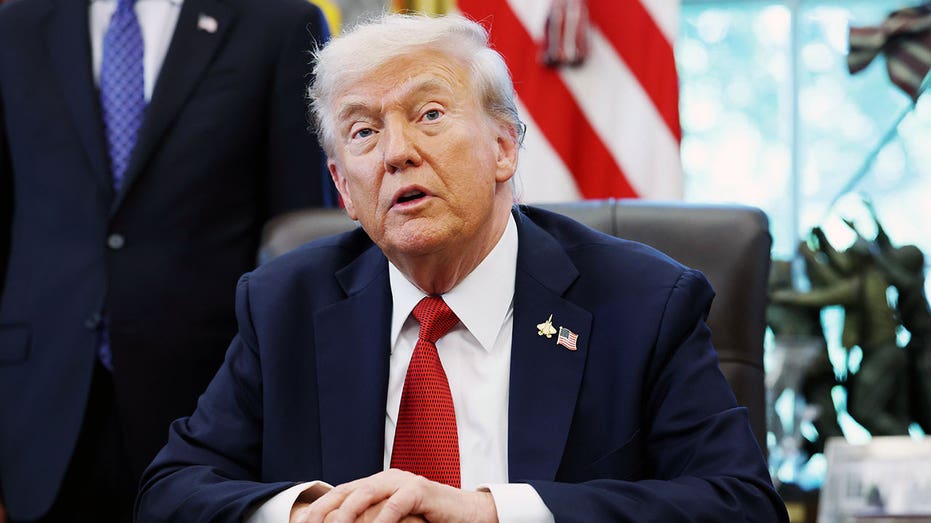
FedEx sued the U.S. government, seeking a full refund of tariffs assessed under President Donald Trump’s emergency order targeting imports. (Anna Moneymaker/Getty Images / Getty Images)
FedEx noted that while the Supreme Court did not address the issue of refunds, it has taken necessary steps to protect its rights as an importer of record. The company stated, “At this time, however, no refund process has been established by regulators or the courts.” They assured stakeholders that any relevant updates would be communicated promptly as they await further guidance from the U.S. government and the courts.
The lawsuit names CBP Commissioner Rodney S. Scott and the U.S. government as defendants. FedEx is being represented by Crowell & Moring, a Washington, D.C.-based law firm that also represents Costco and Revlon in similar IEEPA tariff refund cases.
WILL REFUNDS BE ISSUED AFTER SUPREME COURT RULING ON TRUMP TARIFFS?
| Ticker | Security | Last | Change | Change % |
|---|---|---|---|---|
| FDX | FEDEX CORP. | 383.71 | -4.77 | -1.23% |
In February 2025, President Trump invoked the IEEPA to impose duties on imports from China, Canada, and Mexico, citing national security concerns and unfair trade practices. This was later expanded into reciprocal tariffs affecting 57 countries.
As a result, U.S. businesses and consumers faced over $175 billion in duties. The Supreme Court’s ruling in the case of Learning Resources, Inc. v. Trump confirmed that the IEEPA does not authorize the imposition of tariffs, affirming that the Court of International Trade holds exclusive jurisdiction over these tariffs.
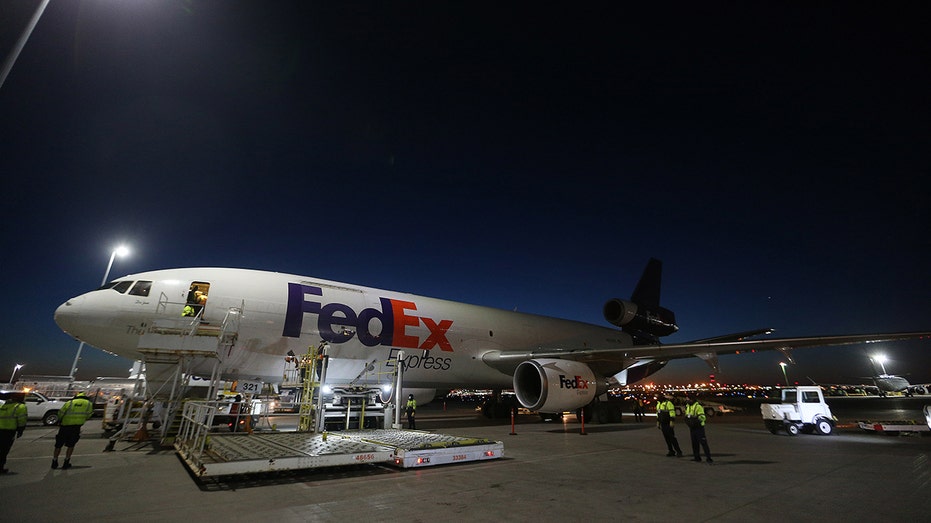
FedEx alleges it incurred costs to expedite shipments through customs and is entitled to a refund of duties with interest. (Steve Russell/Toronto Star via Getty Images / Getty Images)
GET FOX BUSINESS ON THE GO BY CLICKING HERE
Despite the ongoing litigation, CBP continued to collect duties but announced that IEEPA duty collection would cease as of Tuesday. The White House and CBP have yet to respond to FOX Business’ request for comment.
FOX Business host Larry Kudlow discusses the ramifications of the Supreme Court striking down the president’s tariffs on ‘Kudlow.’
In a significant legal move, FedEx has filed a lawsuit against the U.S. government, seeking a full refund of tariffs imposed under President Donald Trump’s order aimed at imports. This lawsuit marks one of the most high-profile actions taken by a major American corporation following the Supreme Court’s recent ruling.
On Friday, the Supreme Court ruled 6-3 that President Trump lacked the authority under the International Emergency Economic Powers Act (IEEPA) to impose such tariffs. The complaint, lodged against the government and U.S. Customs and Border Protection (CBP) in the Court of International Trade, claims that FedEx incurred additional costs to expedite shipments through customs and is entitled to a refund of duties, along with interest and compensation for financial damages.
In its lawsuit, FedEx stated, “Plaintiffs seek for themselves a full refund from Defendants of all IEEPA duties Plaintiffs have paid to the United States.”
SUPREME COURT DEALS BLOW TO TRUMP’S TRADE AGENDA IN LANDMARK TARIFF CASE
The lawsuit does not disclose how much FedEx has paid in tariffs. (FedEx)
In a statement to FOX Business, FedEx emphasized, “Supporting our customers as they navigate regulatory changes remains our priority.” The company added, “FedEx has taken necessary action to protect the company’s rights as an importer of record to seek duty refunds from U.S. Customs and Border Protection following the U.S. Supreme Court’s ruling that the tariffs issued under the International Emergency Economic Powers Act (IEEPA) are unlawful.”
While the lawsuit does not specify the total amount FedEx has paid in tariffs, the shipping giant previously indicated that it anticipated a $1 billion impact on its fiscal-year earnings due to U.S. trade policies, a portion of which relates to IEEPA duties.
US TARIFF REVENUE UP 300% UNDER TRUMP AS SUPREME COURT BATTLE LOOMS
FedEx sued the U.S. government, seeking a full refund of tariffs assessed under President Donald Trump’s emergency order targeting imports. (Anna Moneymaker/Getty Images / Getty Images)
FedEx noted that while the Supreme Court did not address the issue of refunds, it has taken necessary steps to protect its rights as an importer of record. The company stated, “At this time, however, no refund process has been established by regulators or the courts.” They assured stakeholders that any relevant updates would be communicated promptly as they await further guidance from the U.S. government and the courts.
The lawsuit names CBP Commissioner Rodney S. Scott and the U.S. government as defendants. FedEx is being represented by Crowell & Moring, a Washington, D.C.-based law firm that also represents Costco and Revlon in similar IEEPA tariff refund cases.
WILL REFUNDS BE ISSUED AFTER SUPREME COURT RULING ON TRUMP TARIFFS?
| Ticker | Security | Last | Change | Change % |
|---|---|---|---|---|
| FDX | FEDEX CORP. | 383.71 | -4.77 | -1.23% |
In February 2025, President Trump invoked the IEEPA to impose duties on imports from China, Canada, and Mexico, citing national security concerns and unfair trade practices. This was later expanded into reciprocal tariffs affecting 57 countries.
As a result, U.S. businesses and consumers faced over $175 billion in duties. The Supreme Court’s ruling in the case of Learning Resources, Inc. v. Trump confirmed that the IEEPA does not authorize the imposition of tariffs, affirming that the Court of International Trade holds exclusive jurisdiction over these tariffs.
FedEx alleges it incurred costs to expedite shipments through customs and is entitled to a refund of duties with interest. (Steve Russell/Toronto Star via Getty Images / Getty Images)
GET FOX BUSINESS ON THE GO BY CLICKING HERE
Despite the ongoing litigation, CBP continued to collect duties but announced that IEEPA duty collection would cease as of Tuesday. The White House and CBP have yet to respond to FOX Business’ request for comment.