Florida House Urges Voters to Evaluate Property Tax Reductions for Most Homes
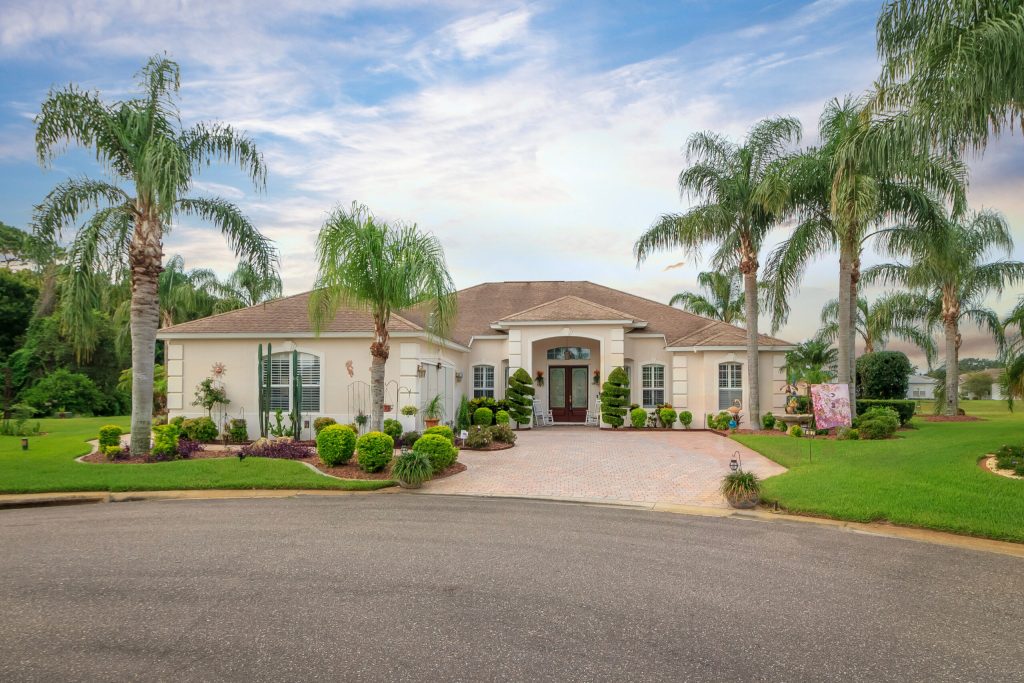
In a significant move, Florida’s House of Representatives voted late Thursday to propose a ballot measure aimed at eliminating non-school property taxes on most owner-occupied homes. This initiative could potentially save homeowners thousands of dollars annually. However, it raises concerns about the financial implications for local governments, with some estimates suggesting a loss of billions in revenue.
The future of this proposal in the Senate remains uncertain, despite Governor Ron DeSantis advocating for the reduction of property taxes across the state. The House Joint Resolution 203, introduced by state Representatives Monique Miller (R-Palm Bay) and Webster Barnaby (R-DeLand), aims to set up a statewide vote in November. If approved by 60% of voters, the constitutional amendment would protect funding for first responders and public safety departments, preventing cities and counties from reducing their budgets below 2025 levels.
However, this protection does not extend to other local government functions and services, which could face significant budget cuts. House Democrats have voiced strong opposition to the plan, with Rep. Robin Bartleman (D-Weston) warning that it could lead to the bankruptcy of cities and counties. The Orlando Sentinel reported that one analysis estimates the tax elimination could cost the state and local governments as much as $18 billion annually.
If the amendment passes, it would take effect in 2027. Homeowners may use the tax savings for property upgrades or wind mitigation efforts, potentially increasing their homeowners’ insurance policy limits. However, local governments might be compelled to reduce or eliminate their own liability insurance coverage as a result.
Historically, Florida has maintained property tax rates that are average compared to other U.S. states, especially considering it does not impose a personal income tax on its residents. In 2025, the property tax rate for owner-occupied homes in Florida was approximately 0.74% of the home’s value, according to the Tax Foundation. This rate is similar to Georgia’s but significantly higher than those in Alabama, South Carolina, and West Virginia. In contrast, states like Illinois and New Jersey have much higher property tax rates, around 1.77% of a home’s value.
Interested in Property?
Get automatic alerts for this topic.
In a significant move, Florida’s House of Representatives voted late Thursday to propose a ballot measure aimed at eliminating non-school property taxes on most owner-occupied homes. This initiative could potentially save homeowners thousands of dollars annually. However, it raises concerns about the financial implications for local governments, with some estimates suggesting a loss of billions in revenue.
The future of this proposal in the Senate remains uncertain, despite Governor Ron DeSantis advocating for the reduction of property taxes across the state. The House Joint Resolution 203, introduced by state Representatives Monique Miller (R-Palm Bay) and Webster Barnaby (R-DeLand), aims to set up a statewide vote in November. If approved by 60% of voters, the constitutional amendment would protect funding for first responders and public safety departments, preventing cities and counties from reducing their budgets below 2025 levels.
However, this protection does not extend to other local government functions and services, which could face significant budget cuts. House Democrats have voiced strong opposition to the plan, with Rep. Robin Bartleman (D-Weston) warning that it could lead to the bankruptcy of cities and counties. The Orlando Sentinel reported that one analysis estimates the tax elimination could cost the state and local governments as much as $18 billion annually.
If the amendment passes, it would take effect in 2027. Homeowners may use the tax savings for property upgrades or wind mitigation efforts, potentially increasing their homeowners’ insurance policy limits. However, local governments might be compelled to reduce or eliminate their own liability insurance coverage as a result.
Historically, Florida has maintained property tax rates that are average compared to other U.S. states, especially considering it does not impose a personal income tax on its residents. In 2025, the property tax rate for owner-occupied homes in Florida was approximately 0.74% of the home’s value, according to the Tax Foundation. This rate is similar to Georgia’s but significantly higher than those in Alabama, South Carolina, and West Virginia. In contrast, states like Illinois and New Jersey have much higher property tax rates, around 1.77% of a home’s value.
Interested in Property?
Get automatic alerts for this topic.