Florida OIR Criticizes Committee-Approved Changes to Clearinghouse Bill as ‘Illusory’
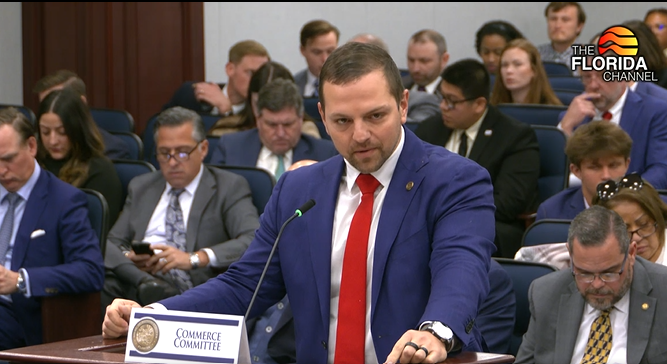
In a swift move with minimal discussion, a final Florida House committee approved a bill on Tuesday aimed at establishing a clearinghouse to facilitate the transfer of commercial policies from Citizens Property Insurance Corp. to surplus lines carriers.
The House Commerce Committee, serving as the last stop before a vote on the House floor, adopted a “strike-all” amendment to the bill. This decision came after state regulators, along with several insurance brokers and agents, expressed concerns in recent weeks.
However, the approved version includes few of the changes that agents and Insurance Commissioner Michael Yaworsky had advocated for, despite assurances from the bill’s sponsor that improvements would be made.
“What we’re offering in the strike-all is very generous in terms of more oversight,” stated state Rep. Mike Redondo, a Miami plaintiffs’ attorney. Yet, Yaworsky was unable to voice his concerns at the committee meeting due to a scheduling conflict. He had previously met with Redondo and other lawmakers to discuss his apprehensions, as noted by Kylie Mason, communications director for the Office of Insurance Regulation (OIR).
Unfortunately, those concerns were largely ignored by the committee. “Most of the improvements are illusory, and the legislation is totally inconsistent with the way insurance is regulated across the United States, including Florida,” Mason remarked in an email. “Continued improvements are necessary.”
Recently, Yaworsky’s team drafted its own version of the clearinghouse bill, which aimed to grant OIR greater authority over which insurers could participate and who would manage the program. Unfortunately, the bill adopted on Tuesday incorporates very few of those suggestions. Redondo’s amended version closely resembles the Senate bill sponsored by Sen. Joe Gruters, which is set for a floor vote as early as Wednesday.
It is likely that the House version will be merged into the Senate bill, SB 1028, leaving little room for Yaworsky’s proposed safeguards to be included before the legislative session concludes on March 13.
The amended bill from the House Commerce Committee, along with the Senate bill, has drawn criticism from various industry stakeholders. Many are concerned that the measures would empower a program administrator, such as a brokerage, to determine which insurers and brokers can participate in the takeouts of Citizens’ commercial policies. This approach favors surplus lines carriers, whereas Yaworsky’s version would have mandated the inclusion of admitted carriers.
Some Florida brokers have voiced concerns that the bill appears to be tailored to benefit a single large national broker, Ryan Turner, who has been a significant donor to Republican causes. Turner has also circulated detailed presentations on the proposed clearinghouse plan to lawmakers in recent weeks.
Conversely, other brokers and agents argue that a commercial clearinghouse is unnecessary, citing a revitalized Florida market that is functioning effectively.
Yaworsky’s proposed version included essential guardrails, such as requiring the administrator to be based in Florida and free from potential conflicts of interest. This provision could potentially exclude Ryan Specialty, headquartered in Chicago.
In contrast, Gruters and Redondo’s version does not set any limits on the fees or surcharges that a clearinghouse manager may impose, only stipulating that the charges be deemed “fair.” Yaworsky’s bill would have capped fees at $100 per policy.
The approved bill also retains an equalization adjustment, which could compel Citizens to raise its premiums to align with surplus lines’ offers. This adjustment may allow takeouts even if the prospective carrier does not meet the current requirement of being within 20% of Citizens’ premiums.
While Citizens’ officials have not publicly taken a stance on the bill, sources indicate that there are concerns regarding the potential impact of the clearinghouse, as outlined in the bill, on Citizens’ depopulation strategy.
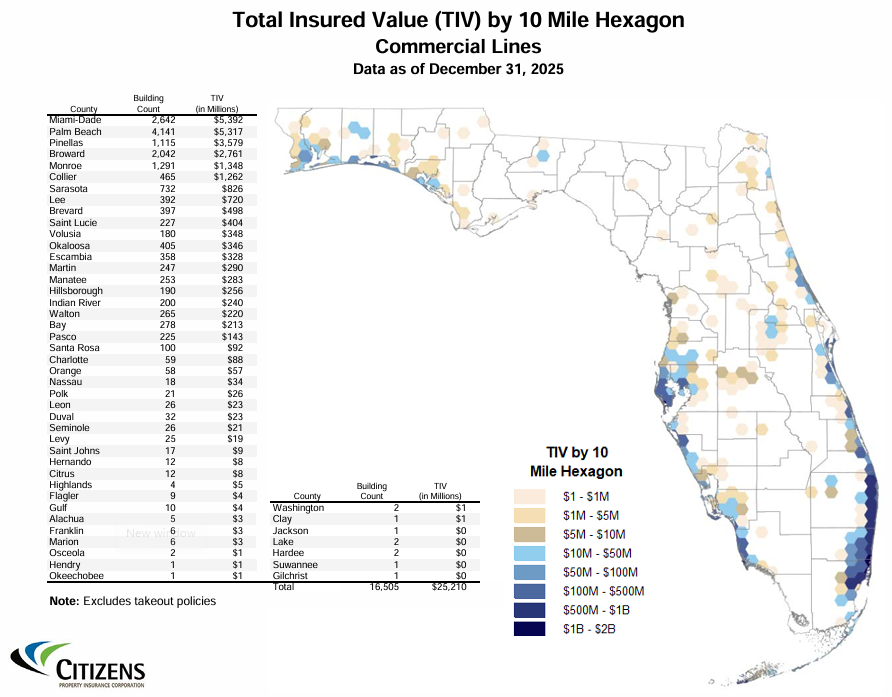
Although the number of commercial and commercial residential policies held by Citizens is relatively small—less than 6,200 as of early this year—the stakes are significant for insurance agents and brokers involved in placing commercial policies in the state. Data from Citizens reveal that the total insured value of these commercial policies exceeds $25 billion, with policies in Miami-Dade and Palm Beach counties alone totaling nearly $11 billion in value.
Redondo was unavailable for comment following the committee meeting on Tuesday.
Top photo: Redondo at the committee meeting Tuesday (The Florida Channel).
Read more about the clearinghouse bills:
Florida’s Commercial Clearinghouse Bill Stirring Up Concerns for Brokers, Regulators
Florida Commissioner Offers Major Changes to Citizens’ Commercial Clearinghouse Plan
Topics
Florida
The most important insurance news, in your inbox every business day.
Get the insurance industry’s trusted newsletter
In a swift move with minimal discussion, a final Florida House committee approved a bill on Tuesday aimed at establishing a clearinghouse to facilitate the transfer of commercial policies from Citizens Property Insurance Corp. to surplus lines carriers.
The House Commerce Committee, serving as the last stop before a vote on the House floor, adopted a “strike-all” amendment to the bill. This decision came after state regulators, along with several insurance brokers and agents, expressed concerns in recent weeks.
However, the approved version includes few of the changes that agents and Insurance Commissioner Michael Yaworsky had advocated for, despite assurances from the bill’s sponsor that improvements would be made.
“What we’re offering in the strike-all is very generous in terms of more oversight,” stated state Rep. Mike Redondo, a Miami plaintiffs’ attorney. Yet, Yaworsky was unable to voice his concerns at the committee meeting due to a scheduling conflict. He had previously met with Redondo and other lawmakers to discuss his apprehensions, as noted by Kylie Mason, communications director for the Office of Insurance Regulation (OIR).
Unfortunately, those concerns were largely ignored by the committee. “Most of the improvements are illusory, and the legislation is totally inconsistent with the way insurance is regulated across the United States, including Florida,” Mason remarked in an email. “Continued improvements are necessary.”
Recently, Yaworsky’s team drafted its own version of the clearinghouse bill, which aimed to grant OIR greater authority over which insurers could participate and who would manage the program. Unfortunately, the bill adopted on Tuesday incorporates very few of those suggestions. Redondo’s amended version closely resembles the Senate bill sponsored by Sen. Joe Gruters, which is set for a floor vote as early as Wednesday.
It is likely that the House version will be merged into the Senate bill, SB 1028, leaving little room for Yaworsky’s proposed safeguards to be included before the legislative session concludes on March 13.
The amended bill from the House Commerce Committee, along with the Senate bill, has drawn criticism from various industry stakeholders. Many are concerned that the measures would empower a program administrator, such as a brokerage, to determine which insurers and brokers can participate in the takeouts of Citizens’ commercial policies. This approach favors surplus lines carriers, whereas Yaworsky’s version would have mandated the inclusion of admitted carriers.
Some Florida brokers have voiced concerns that the bill appears to be tailored to benefit a single large national broker, Ryan Turner, who has been a significant donor to Republican causes. Turner has also circulated detailed presentations on the proposed clearinghouse plan to lawmakers in recent weeks.
Conversely, other brokers and agents argue that a commercial clearinghouse is unnecessary, citing a revitalized Florida market that is functioning effectively.
Yaworsky’s proposed version included essential guardrails, such as requiring the administrator to be based in Florida and free from potential conflicts of interest. This provision could potentially exclude Ryan Specialty, headquartered in Chicago.
In contrast, Gruters and Redondo’s version does not set any limits on the fees or surcharges that a clearinghouse manager may impose, only stipulating that the charges be deemed “fair.” Yaworsky’s bill would have capped fees at $100 per policy.
The approved bill also retains an equalization adjustment, which could compel Citizens to raise its premiums to align with surplus lines’ offers. This adjustment may allow takeouts even if the prospective carrier does not meet the current requirement of being within 20% of Citizens’ premiums.
While Citizens’ officials have not publicly taken a stance on the bill, sources indicate that there are concerns regarding the potential impact of the clearinghouse, as outlined in the bill, on Citizens’ depopulation strategy.
Although the number of commercial and commercial residential policies held by Citizens is relatively small—less than 6,200 as of early this year—the stakes are significant for insurance agents and brokers involved in placing commercial policies in the state. Data from Citizens reveal that the total insured value of these commercial policies exceeds $25 billion, with policies in Miami-Dade and Palm Beach counties alone totaling nearly $11 billion in value.
Redondo was unavailable for comment following the committee meeting on Tuesday.
Top photo: Redondo at the committee meeting Tuesday (The Florida Channel).
Read more about the clearinghouse bills:
Florida’s Commercial Clearinghouse Bill Stirring Up Concerns for Brokers, Regulators
Florida Commissioner Offers Major Changes to Citizens’ Commercial Clearinghouse Plan
Topics
Florida
The most important insurance news, in your inbox every business day.
Get the insurance industry’s trusted newsletter