Florida’s New Pool Safety Legislation Aims to Combat Rising Drowning Rates
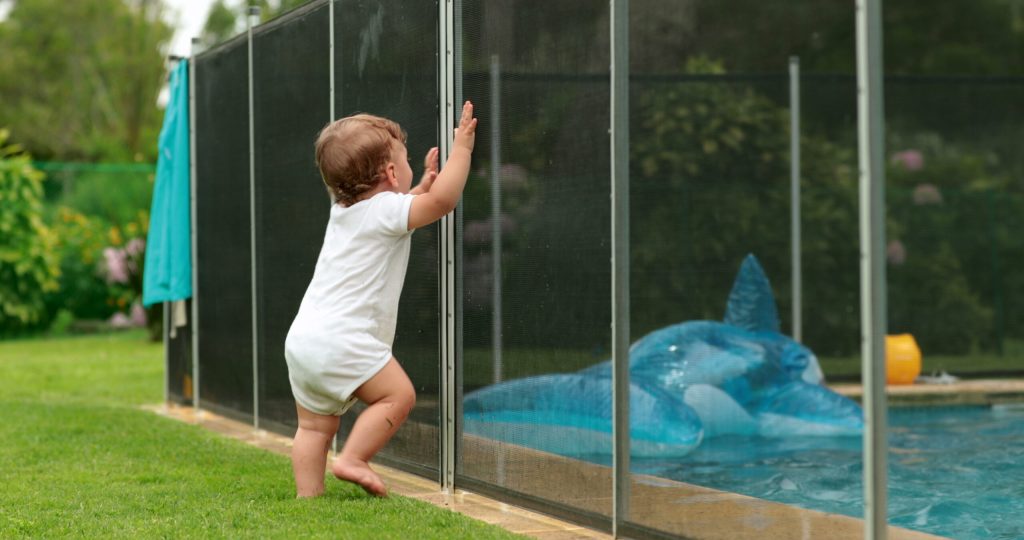
The 2026 regular session of the Florida Legislature may not bring significant changes to the state’s property insurance statutes. However, it is poised to be recognized as the “water safety” session, focusing on measures aimed at reducing drowning deaths across the state. These proposed bills could have a substantial impact on liability litigation and insurance costs.
As the session progresses, one notable bill, Senate Bill 658, is nearing a floor vote. This legislation mandates that rental properties with swimming pools be equipped with essential safety features. It incorporates elements from a similar bill, SB 608, and requires landlords or licensees of rental properties to adhere to the same pool-safety standards currently mandated for new residential pools.
Under this bill, property owners must implement at least one of the following safety measures: a pool enclosure or cover, exit alarms on doors and windows leading to the pool area, self-closing devices for doors that open to the pool, or a pool alarm that alerts when someone falls in. Additionally, rental homes located within 150 feet of another body of water would also need to install safety features such as door alarms.
Failure to comply could result in a misdemeanor charge.

This bill, championed by state Sen. Carlos Guillermo Smith and Sen. Danny Burgess, has gained momentum in the Senate amid rising concerns over drowning incidents, particularly involving children at vacation homes. Recent reports indicate that children aged 1 to 7 drown at a rate of five per 100,000 population, accounting for nearly 20 percent of drowning deaths in Florida in 2024, as highlighted in an analysis of SB 658.
A floor vote for this bill could occur as early as Thursday in the Senate. Another proposed measure, SB 610, aimed to require all residential properties with pools sold after October 1 to have pool safety barriers in place prior to sale. However, this bill, along with two similar proposals, has stalled in both the Senate and House.
Some plaintiffs’ attorneys have noted that the pool safety bill could redefine negligence for property owners, shifting from the current legal perspective that often categorizes drownings as accidents. It may take several years of litigation and court rulings to fully understand the bill’s implications on claims and liability, according to Law.com.
Additionally, another measure in the Florida Senate, SB 606, aims to require the state Department of Health to develop an educational campaign focused on drowning prevention and safe bathing practices for children. This bill has made steady progress through Senate committees and could see a floor vote this week. A companion bill in the House is currently under review in the House Health and Human Services Committee.
A third proposal, SB 428, seeks to expand a swimming lessons voucher program to include children aged 1 to 7, in addition to those under age 4. The existing program, which provides funding for swimming lessons statewide, has gained popularity, according to Florida Politics. The bill aims to enhance access to swimming skills for children who need it most, as emphasized by its sponsor.
Both this bill and its companion in the House are expected to be put to a vote before the session concludes on March 13.
Topics
Florida
The most important insurance news, in your inbox every business day.
Get the insurance industry’s trusted newsletter
The 2026 regular session of the Florida Legislature may not bring significant changes to the state’s property insurance statutes. However, it is poised to be recognized as the “water safety” session, focusing on measures aimed at reducing drowning deaths across the state. These proposed bills could have a substantial impact on liability litigation and insurance costs.
As the session progresses, one notable bill, Senate Bill 658, is nearing a floor vote. This legislation mandates that rental properties with swimming pools be equipped with essential safety features. It incorporates elements from a similar bill, SB 608, and requires landlords or licensees of rental properties to adhere to the same pool-safety standards currently mandated for new residential pools.
Under this bill, property owners must implement at least one of the following safety measures: a pool enclosure or cover, exit alarms on doors and windows leading to the pool area, self-closing devices for doors that open to the pool, or a pool alarm that alerts when someone falls in. Additionally, rental homes located within 150 feet of another body of water would also need to install safety features such as door alarms.
Failure to comply could result in a misdemeanor charge.
This bill, championed by state Sen. Carlos Guillermo Smith and Sen. Danny Burgess, has gained momentum in the Senate amid rising concerns over drowning incidents, particularly involving children at vacation homes. Recent reports indicate that children aged 1 to 7 drown at a rate of five per 100,000 population, accounting for nearly 20 percent of drowning deaths in Florida in 2024, as highlighted in an analysis of SB 658.
A floor vote for this bill could occur as early as Thursday in the Senate. Another proposed measure, SB 610, aimed to require all residential properties with pools sold after October 1 to have pool safety barriers in place prior to sale. However, this bill, along with two similar proposals, has stalled in both the Senate and House.
Some plaintiffs’ attorneys have noted that the pool safety bill could redefine negligence for property owners, shifting from the current legal perspective that often categorizes drownings as accidents. It may take several years of litigation and court rulings to fully understand the bill’s implications on claims and liability, according to Law.com.
Additionally, another measure in the Florida Senate, SB 606, aims to require the state Department of Health to develop an educational campaign focused on drowning prevention and safe bathing practices for children. This bill has made steady progress through Senate committees and could see a floor vote this week. A companion bill in the House is currently under review in the House Health and Human Services Committee.
A third proposal, SB 428, seeks to expand a swimming lessons voucher program to include children aged 1 to 7, in addition to those under age 4. The existing program, which provides funding for swimming lessons statewide, has gained popularity, according to Florida Politics. The bill aims to enhance access to swimming skills for children who need it most, as emphasized by its sponsor.
Both this bill and its companion in the House are expected to be put to a vote before the session concludes on March 13.
Topics
Florida
The most important insurance news, in your inbox every business day.
Get the insurance industry’s trusted newsletter