Funding Crisis for WV Program Addressing Abandoned Buildings
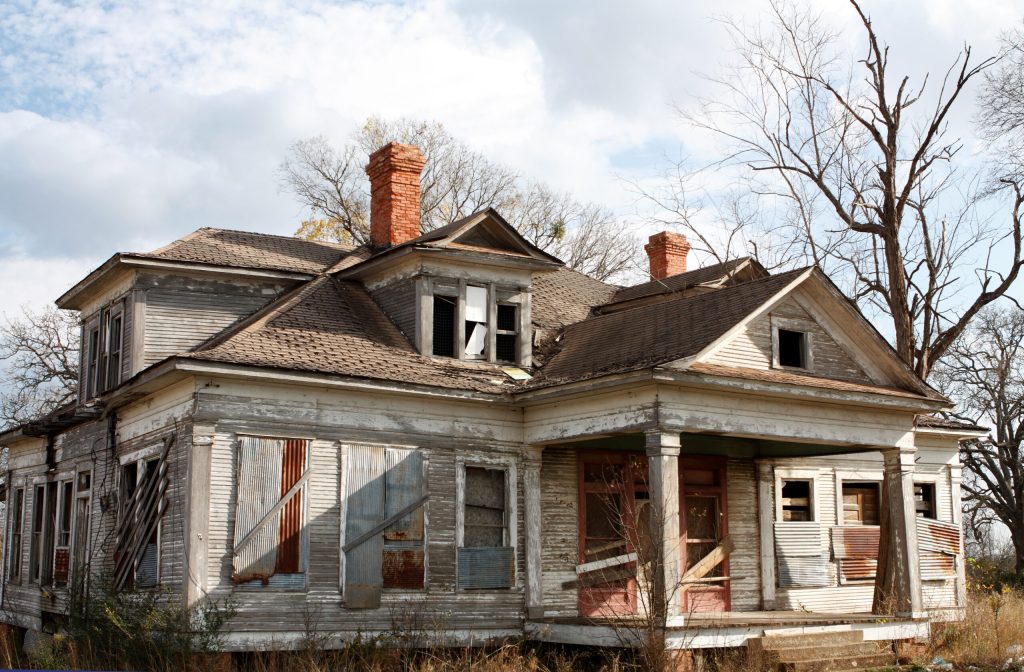
From their home on Charleston’s West Side, Tina and Matt Glaspey have witnessed the rapid decline of a house at the corner of First Avenue and Fitzgerald Street. Initially occupied by a family with a young daughter, the house became vacant when they left due to safety concerns. Following the death of the next owner, the property fell into disrepair, leading to frequent police responses to break-ins.
In just two years, the small brick house transitioned from a family home to a condemned structure, stripped of power and water, and repeatedly invaded by squatters. “One day, we noticed a bright orange sticker on the door saying the building was not safe for habitation,” Tina recalled. “It shows how quickly things can turn, in just two years, when nothing is done to deal with these properties.”
City officials indicate that this house is emblematic of a larger issue affecting hundreds of vacant properties across Charleston. These homes gradually deteriorate until they are deemed unsafe and added to the city’s priority demolition list, which typically includes around 30 buildings at any given time.
Until recently, a state program provided assistance for demolishing these hazardous structures, thereby protecting neighborhoods and preserving property values. A statewide survey conducted four years ago estimated that nearly 8,000 structures required demolition, with an associated cost of approximately $150 million. Lawmakers allocated $30 million in federal pandemic relief funds to reimburse local governments for these efforts.
However, that funding has now been exhausted, leaving municipalities to either absorb the costs of demolition or allow vacant buildings to remain standing.
Vacant Properties on the Rise Amid Funding Shortages
The Demolition Landfill Assistance Program, established in 2021 and funded a year later with federal COVID-19 recovery funds, aimed to assist local governments in demolishing abandoned buildings they could not afford to manage. This program was initiated after a statewide survey assessed the need and capacity of local governments to tackle the issue.
In just two years, approximately 1,800 structures were demolished, with around 240 demolitions currently underway. Yet, the demand for action far exceeds available resources.
Carrie Staton, director of the West Virginia Brownfields Assistance Center, has spent 14 years working with communities on abandoned buildings. She noted that many counties lack the necessary resources, funding, or staffing to manage dilapidated housing effectively. “We’re just so rural,” she explained. “Other states have at least a couple of major metro areas that can support this work. We don’t.”
Charleston’s Efforts to Combat Vacant Buildings
As West Virginia’s largest city, Charleston has more resources than many local governments, including access to federal funds unavailable to smaller communities. Over the past seven years, the city has invested more than $12 million to demolish over 700 unsafe and dilapidated structures.
However, city planner John Butterworth emphasized that Charleston still relies on state demolition funding to cover costs, which average around $10,000 per property, including environmental cleanup. “It’s a real cost,” he stated. “It’s a necessary one to keep neighbors safe, but it is very expensive.”
Recently, the city received $500,000 from the state program to address properties that had drawn repeated complaints from neighbors. “I think people are really relieved when we can say that the house that’s been boarded up for a year or more is coming down,” Butterworth added.
One such property on Grant Street had fallen into disrepair before being demolished last May. Cracks filled the walls, dirt and mold covered the floors, and broken glass littered the property. Eventually, the city managed to have the owner donate the property, which was then handed over to Habitat for Humanity for rebuilding.
Andrew Blackwood, executive director of Habitat for Humanity of Kanawha and Putnam counties, noted that nearly 90% of the 190 homes built by the organization in both counties have been complete rebuilds after previous structures were demolished.
A Growing Crisis Without a Statewide Solution
Despite lawmakers acknowledging the scale of the problem, no new proposals for funding demolition efforts have emerged. Fayette County utilized state demolition funds effectively, removing 75 dilapidated structures that posed public safety hazards. However, plans to expand these efforts have been stalled due to budget constraints.
Former Senator Chandler Swope, who helped establish the state fund for demolishing dilapidated buildings, emphasized the need for ongoing state involvement. “The state has more flexibility and more access to funding,” he explained. “I visualized it as a permanent need.”
Four years later, that funding has vanished, leaving communities in a lurch. Other states, like Ohio, have established long-term funding for demolition and redevelopment, highlighting West Virginia’s lack of a comprehensive plan.
“Abandoned buildings are in every community, and every legislator has constituents dealing with this,” Staton remarked. “They know it’s just a matter of finding the funding.”
Meanwhile, the Glaspeys continue to gaze at the boarded windows and overgrown yard across the street, with Matt pondering, “Sometimes you think, what’s the point of fixing up your own place if everything around you is collapsing?”
___
This story was originally published by Mountain State Spotlight and distributed through a partnership with The Associated Press. Tre Spencer is the reporter.
Copyright 2026 Associated Press. All rights reserved. This material may not be published, broadcast, rewritten, or redistributed.
From their home on Charleston’s West Side, Tina and Matt Glaspey have witnessed the rapid decline of a house at the corner of First Avenue and Fitzgerald Street. Initially occupied by a family with a young daughter, the house became vacant when they left due to safety concerns. Following the death of the next owner, the property fell into disrepair, leading to frequent police responses to break-ins.
In just two years, the small brick house transitioned from a family home to a condemned structure, stripped of power and water, and repeatedly invaded by squatters. “One day, we noticed a bright orange sticker on the door saying the building was not safe for habitation,” Tina recalled. “It shows how quickly things can turn, in just two years, when nothing is done to deal with these properties.”
City officials indicate that this house is emblematic of a larger issue affecting hundreds of vacant properties across Charleston. These homes gradually deteriorate until they are deemed unsafe and added to the city’s priority demolition list, which typically includes around 30 buildings at any given time.
Until recently, a state program provided assistance for demolishing these hazardous structures, thereby protecting neighborhoods and preserving property values. A statewide survey conducted four years ago estimated that nearly 8,000 structures required demolition, with an associated cost of approximately $150 million. Lawmakers allocated $30 million in federal pandemic relief funds to reimburse local governments for these efforts.
However, that funding has now been exhausted, leaving municipalities to either absorb the costs of demolition or allow vacant buildings to remain standing.
Vacant Properties on the Rise Amid Funding Shortages
The Demolition Landfill Assistance Program, established in 2021 and funded a year later with federal COVID-19 recovery funds, aimed to assist local governments in demolishing abandoned buildings they could not afford to manage. This program was initiated after a statewide survey assessed the need and capacity of local governments to tackle the issue.
In just two years, approximately 1,800 structures were demolished, with around 240 demolitions currently underway. Yet, the demand for action far exceeds available resources.
Carrie Staton, director of the West Virginia Brownfields Assistance Center, has spent 14 years working with communities on abandoned buildings. She noted that many counties lack the necessary resources, funding, or staffing to manage dilapidated housing effectively. “We’re just so rural,” she explained. “Other states have at least a couple of major metro areas that can support this work. We don’t.”
Charleston’s Efforts to Combat Vacant Buildings
As West Virginia’s largest city, Charleston has more resources than many local governments, including access to federal funds unavailable to smaller communities. Over the past seven years, the city has invested more than $12 million to demolish over 700 unsafe and dilapidated structures.
However, city planner John Butterworth emphasized that Charleston still relies on state demolition funding to cover costs, which average around $10,000 per property, including environmental cleanup. “It’s a real cost,” he stated. “It’s a necessary one to keep neighbors safe, but it is very expensive.”
Recently, the city received $500,000 from the state program to address properties that had drawn repeated complaints from neighbors. “I think people are really relieved when we can say that the house that’s been boarded up for a year or more is coming down,” Butterworth added.
One such property on Grant Street had fallen into disrepair before being demolished last May. Cracks filled the walls, dirt and mold covered the floors, and broken glass littered the property. Eventually, the city managed to have the owner donate the property, which was then handed over to Habitat for Humanity for rebuilding.
Andrew Blackwood, executive director of Habitat for Humanity of Kanawha and Putnam counties, noted that nearly 90% of the 190 homes built by the organization in both counties have been complete rebuilds after previous structures were demolished.
A Growing Crisis Without a Statewide Solution
Despite lawmakers acknowledging the scale of the problem, no new proposals for funding demolition efforts have emerged. Fayette County utilized state demolition funds effectively, removing 75 dilapidated structures that posed public safety hazards. However, plans to expand these efforts have been stalled due to budget constraints.
Former Senator Chandler Swope, who helped establish the state fund for demolishing dilapidated buildings, emphasized the need for ongoing state involvement. “The state has more flexibility and more access to funding,” he explained. “I visualized it as a permanent need.”
Four years later, that funding has vanished, leaving communities in a lurch. Other states, like Ohio, have established long-term funding for demolition and redevelopment, highlighting West Virginia’s lack of a comprehensive plan.
“Abandoned buildings are in every community, and every legislator has constituents dealing with this,” Staton remarked. “They know it’s just a matter of finding the funding.”
Meanwhile, the Glaspeys continue to gaze at the boarded windows and overgrown yard across the street, with Matt pondering, “Sometimes you think, what’s the point of fixing up your own place if everything around you is collapsing?”
___
This story was originally published by Mountain State Spotlight and distributed through a partnership with The Associated Press. Tre Spencer is the reporter.
Copyright 2026 Associated Press. All rights reserved. This material may not be published, broadcast, rewritten, or redistributed.