Get Social – and Mentor!
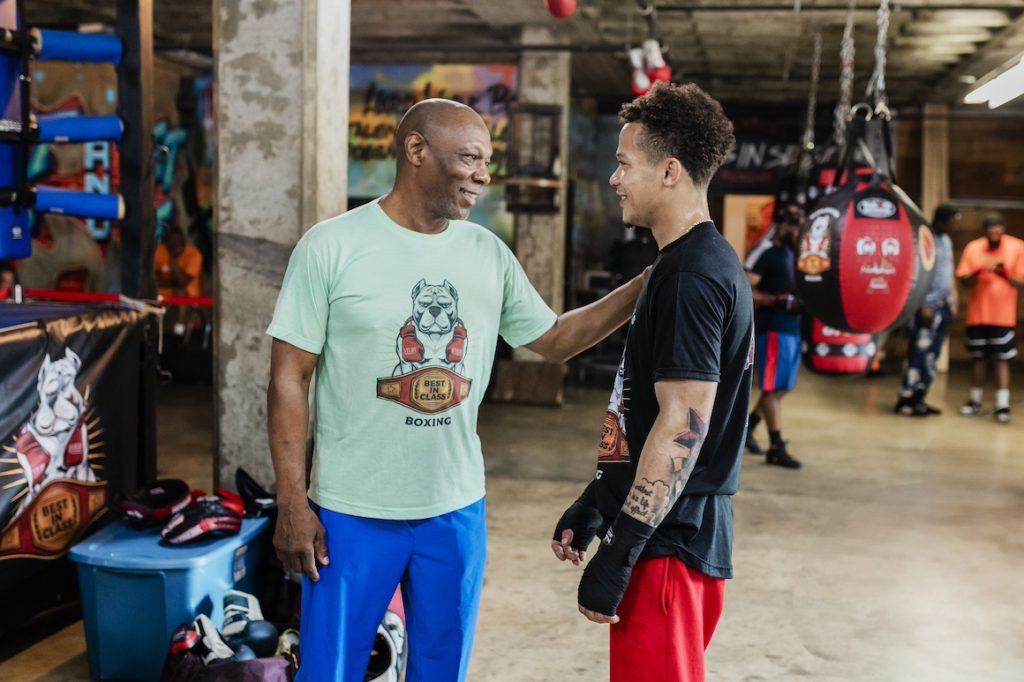
Mentorship can transform lives on both sides of the relationship. Experts and mentors share stories, insights, and practical tips on this fulfilling social activity.
Over the years, I’ve had probably a hundred mentors shape my path—and I’ve been just as lucky to guide that many myself,” says Dr. Lamell McMorris, author of
The Power to Persist: 8 Simple Habits to Build Lifelong Resilience,
and host of
The Power to Persist podcast.
McMorris credits much of his success to a remarkable network of mentors. For Dr. McMorris, mentorship isn’t just an obligation; it’s a source of fulfillment and authentic connection.
Networking vs. Mentorship
He’s quick to distinguish meaningful networking from the superficial kind. “I’m not talking about the routine card exchanges at business mixers,” he says. “I mean real networking—where there’s purpose behind every conversation and connection. For seniors, this kind of networking is invaluable; it’s about sharing wisdom, life stories, and experiences that can truly help others grow.”
“…mentorship isn’t just an obligation; it’s a source of fulfillment and authentic connection.”

Dr. McMorris (at left) serves on the PGA of America Reach Foundation, the charitable arm of the PGA of America that opens doors for youth through the game of golf. “We’re not just teaching kids how to play—we’re showing them the business side of golf, too,” he says. “Golf changed my life. My very first set of clubs came from one of my mentors, the same mentor who sent me to college!”
Why Mentor?
For Dr. McMorris, the most rewarding aspect of mentoring is the relationships that blossom along the way. “When someone I’ve mentored asks about my mom, I know our bond has gone far beyond business. These ties outlast projects and jobs—they become lifelong connections,” he says. “Sure, it takes effort to keep those relationships strong, but it’s worth it.”
He’s deeply convinced that giving back is transformative—especially for older adults. “Mentoring fuels a positive attitude,” he says. “If seniors are feeling isolated, mentoring offers a lifeline. By engaging with others and reflecting on their own journeys and gratitude, they not only help others but also strengthen their own resilience.”
And sometimes, the learning goes both ways. “Mentoring gives seniors the freedom to share their struggles and regrets—the things they wish they’d done differently. It’s liberating, and it can change lives on both sides of the conversation.”
Mentoring Through Sports: One Mentor’s Story
Charlie Butler, now 62, still remembers the moment his life took an unexpected turn—a tiny ad tucked away in The New York Times caught his eye when he was in his twenties. RBI (Reviving Baseball in the Inner Cities, now known as Dream) was searching for volunteer baseball coaches. Driven by a desire to make a difference, Charlie soon found himself on a decade-long adventure that changed not only the lives of local kids but his own as well.
“I taught them a lot, but they taught me a lot as well.”
Over the next 10 years, Charlie did much more than teach the fundamentals of baseball. He inspired his players by launching a newsletter, giving them a platform to share stories about their experiences with RBI and giving them tours of the publishing offices where he worked, exposing players to Corporate America.
“I taught them a lot, but they taught me a lot as well. I know some of those we mentored went on to do great things and later volunteered for the organization, as well.”
Even now, Charlie talks about the relationships he built through mentoring, keeping in touch with two of his former players—one of whom has since become a grandfather. Today, Charlie brings that same spirit to the classroom as a journalism and communications professor at Oregon University. “The journalism profession is tough to navigate these days, so I try to help my students break into the job market,” he says. His story is a testament to how getting involved can spark lifelong connections and impact lives.
Engineering Mentorship
Phil Kruse, a realtor based in Orlando, brings energy and heart to mentoring engineering students at the University of Central Florida (UCF). Each school year, he shares his professional insights with students and notes that “25 percent of the volunteer mentors are retired from engineering,” showing the powerful ripple effect of giving back across generations.
“I’m passionate about encouraging others to become mentors too. I love sharing how rewarding it feels—not only does mentoring bring a sense of joy, but it also opens doors to meaningful relationships.”
Got a special skill you want to share or a topic you’re passionate about? If you’ve been part of Senior Planet for at least a year, check out these fun and engaging volunteer opportunities with Senior Planet! Details are here!
How to Mentor in Your Own Backyard
McMorris suggests looking into your place of worship or local school to see if there are any mentoring opportunities. “It can be as easy as reading to a kindergarten class,” he says. Look into your alma mater, suggests Kruse, to see if they have any mentorship programs in your profession—like the mentors helping engineering students at UCF.
National Mentoring Organizations
Mentoring.org is a national organization that works to ensure all young people have access to mentoring relationships through advocacy, building local organizations, and driving public awareness.
Big Brothers Big Sisters of America matches children aged 6–18 with a caring adult mentor to help them succeed in school, avoid risky behaviors, and improve their self-confidence.
ACE Mentor Program: Provides career-focused programs for high school students interested in the architecture, construction, and engineering industries. The program has 70 chapters in 37 states.
Are You Ready to Mentor?
Mentorship can transform lives on both sides of the relationship. Experts and mentors share stories, insights, and practical tips on this fulfilling social activity.
Over the years, I’ve had probably a hundred mentors shape my path—and I’ve been just as lucky to guide that many myself,” says Dr. Lamell McMorris, author of
The Power to Persist: 8 Simple Habits to Build Lifelong Resilience,
and host of
The Power to Persist podcast.
McMorris credits much of his success to a remarkable network of mentors. For Dr. McMorris, mentorship isn’t just an obligation; it’s a source of fulfillment and authentic connection.
Networking vs. Mentorship
He’s quick to distinguish meaningful networking from the superficial kind. “I’m not talking about the routine card exchanges at business mixers,” he says. “I mean real networking—where there’s purpose behind every conversation and connection. For seniors, this kind of networking is invaluable; it’s about sharing wisdom, life stories, and experiences that can truly help others grow.”
“…mentorship isn’t just an obligation; it’s a source of fulfillment and authentic connection.”
Dr. McMorris (at left) serves on the PGA of America Reach Foundation, the charitable arm of the PGA of America that opens doors for youth through the game of golf. “We’re not just teaching kids how to play—we’re showing them the business side of golf, too,” he says. “Golf changed my life. My very first set of clubs came from one of my mentors, the same mentor who sent me to college!”
Why Mentor?
For Dr. McMorris, the most rewarding aspect of mentoring is the relationships that blossom along the way. “When someone I’ve mentored asks about my mom, I know our bond has gone far beyond business. These ties outlast projects and jobs—they become lifelong connections,” he says. “Sure, it takes effort to keep those relationships strong, but it’s worth it.”
He’s deeply convinced that giving back is transformative—especially for older adults. “Mentoring fuels a positive attitude,” he says. “If seniors are feeling isolated, mentoring offers a lifeline. By engaging with others and reflecting on their own journeys and gratitude, they not only help others but also strengthen their own resilience.”
And sometimes, the learning goes both ways. “Mentoring gives seniors the freedom to share their struggles and regrets—the things they wish they’d done differently. It’s liberating, and it can change lives on both sides of the conversation.”
Mentoring Through Sports: One Mentor’s Story
Charlie Butler, now 62, still remembers the moment his life took an unexpected turn—a tiny ad tucked away in The New York Times caught his eye when he was in his twenties. RBI (Reviving Baseball in the Inner Cities, now known as Dream) was searching for volunteer baseball coaches. Driven by a desire to make a difference, Charlie soon found himself on a decade-long adventure that changed not only the lives of local kids but his own as well.
“I taught them a lot, but they taught me a lot as well.”
Over the next 10 years, Charlie did much more than teach the fundamentals of baseball. He inspired his players by launching a newsletter, giving them a platform to share stories about their experiences with RBI and giving them tours of the publishing offices where he worked, exposing players to Corporate America.
“I taught them a lot, but they taught me a lot as well. I know some of those we mentored went on to do great things and later volunteered for the organization, as well.”
Even now, Charlie talks about the relationships he built through mentoring, keeping in touch with two of his former players—one of whom has since become a grandfather. Today, Charlie brings that same spirit to the classroom as a journalism and communications professor at Oregon University. “The journalism profession is tough to navigate these days, so I try to help my students break into the job market,” he says. His story is a testament to how getting involved can spark lifelong connections and impact lives.
Engineering Mentorship
Phil Kruse, a realtor based in Orlando, brings energy and heart to mentoring engineering students at the University of Central Florida (UCF). Each school year, he shares his professional insights with students and notes that “25 percent of the volunteer mentors are retired from engineering,” showing the powerful ripple effect of giving back across generations.
“I’m passionate about encouraging others to become mentors too. I love sharing how rewarding it feels—not only does mentoring bring a sense of joy, but it also opens doors to meaningful relationships.”
Got a special skill you want to share or a topic you’re passionate about? If you’ve been part of Senior Planet for at least a year, check out these fun and engaging volunteer opportunities with Senior Planet! Details are here!
How to Mentor in Your Own Backyard
McMorris suggests looking into your place of worship or local school to see if there are any mentoring opportunities. “It can be as easy as reading to a kindergarten class,” he says. Look into your alma mater, suggests Kruse, to see if they have any mentorship programs in your profession—like the mentors helping engineering students at UCF.
National Mentoring Organizations
Mentoring.org is a national organization that works to ensure all young people have access to mentoring relationships through advocacy, building local organizations, and driving public awareness.
Big Brothers Big Sisters of America matches children aged 6–18 with a caring adult mentor to help them succeed in school, avoid risky behaviors, and improve their self-confidence.
ACE Mentor Program: Provides career-focused programs for high school students interested in the architecture, construction, and engineering industries. The program has 70 chapters in 37 states.