Google Agrees to $68 Million Settlement Over Allegations of Secretly Recording Conversations
Check out what’s clicking on FoxBusiness.com.
Google has agreed to pay $68 million to settle a class action lawsuit that alleges its voice-activated assistant secretly recorded users of smart devices, infringing on their privacy rights.
A preliminary settlement was filed on Friday in federal court in San Jose, California, but it still requires approval from U.S. District Judge Beth Labson Freeman.
The lawsuit accused the tech giant of illegally recording and disseminating private conversations after its Google Assistant was activated, allowing the company to target users with advertising based on their private discussions.
GOOGLE TO PAY TEXAS $1.4B TO SETTLE CLAIMS OF UNAUTHORIZED TRACKING, COLLECTING OF PRIVATE DATA
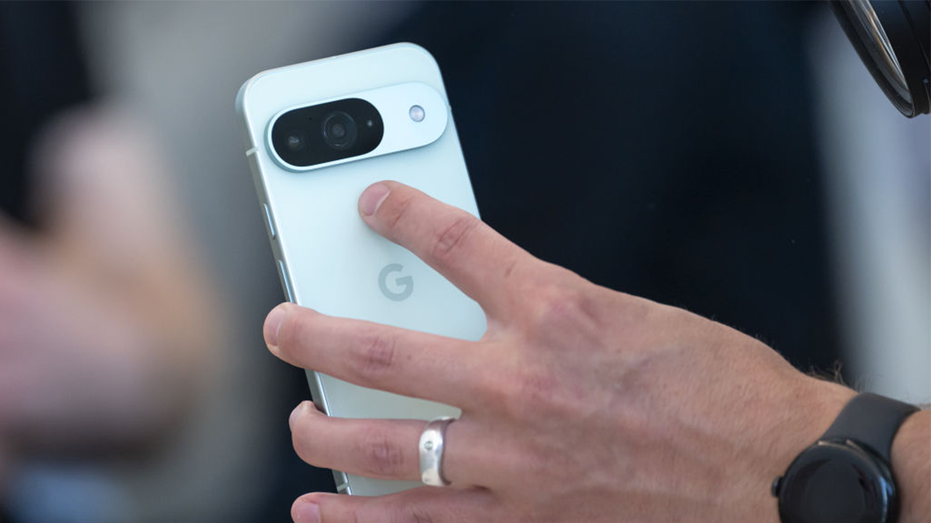
Google has agreed to pay $68 million to settle a class action lawsuit arguing that its voice-activated assistant secretly recorded smart device users. (Getty Images / Getty Images)
According to the lawsuit, Google Assistant was designed to record only when users said specific phrases like “Hey Google” or “Okay Google,” or when they manually activated the device. However, it allegedly recorded personal conversations without users’ knowledge, even when these “hot words” were not spoken. This led to users receiving targeted ads based on conversations they had not intended to trigger the assistant with.
GOOGLE TO PAY $425 MILLION AFTER YEARS OF IMPROPER SPYING ON SMARTPHONE ACTIVITY
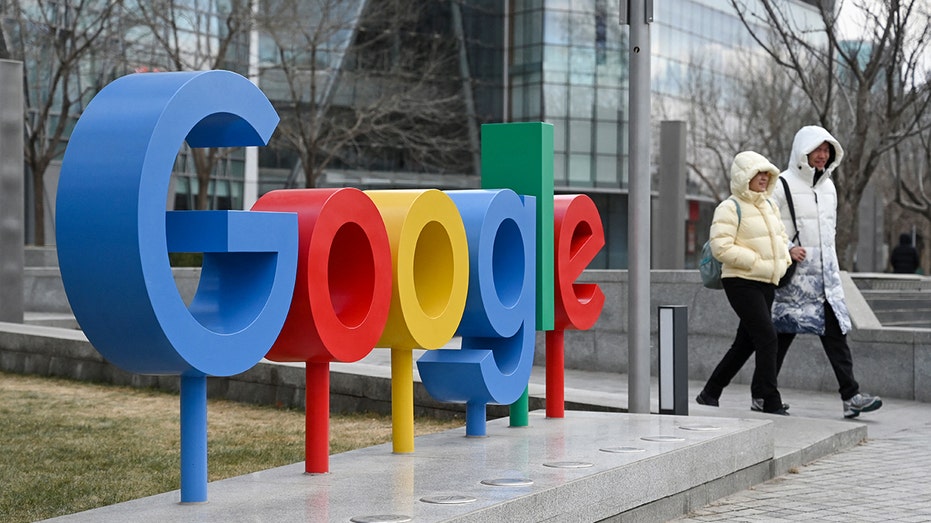
The tech giant was accused of illegally recording and disseminating private conversations after its Google Assistant tool was triggered so it could send them targeted advertising. (GREG BAKER/AFP via Getty Images / Getty Images)
While Google did not admit any wrongdoing, the company stated that it chose to settle to avoid the “uncertainty, risk, expense, inconvenience, and distraction” associated with prolonged litigation, as noted in court documents.
Lawyers representing the plaintiffs may request up to one-third of the settlement fund, amounting to approximately $22.7 million, for legal fees.
In December 2024, Apple reached a similar settlement with smartphone users over its virtual assistant, Siri, agreeing to pay $95 million.
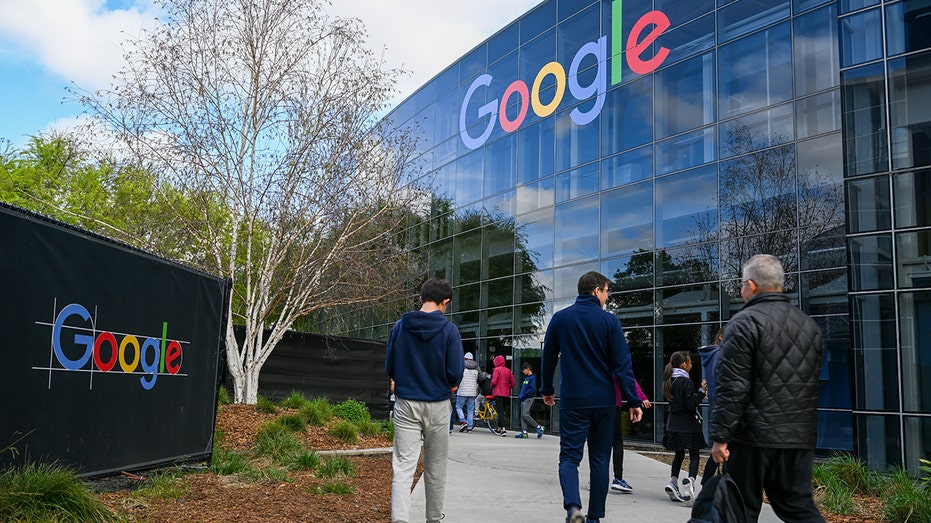
Google did not acknowledge any fault, but said it decided to settle to avoid the “uncertainty, risk, expense, inconvenience and distraction” of lengthy litigation. (Tayfun Coskun/Anadolu via Getty Images / Getty Images)
GET FOX BUSINESS ON THE GO BY CLICKING HERE
In addition to this recent settlement, Google has faced other privacy complaints. Notably, last spring, the company agreed to pay $1.4 billion to Texas to resolve a lawsuit alleging unauthorized data collection. Furthermore, in September, Google was ordered to pay $425.7 million for invading users’ privacy by collecting data from individuals who had disabled tracking features in their accounts.
In 2024, Google also agreed to destroy billions of data records related to users’ private browsing activities to settle a lawsuit that accused it of tracking individuals who believed they were browsing privately, including in “Incognito” mode.
Reuters contributed to this report.
Check out what’s clicking on FoxBusiness.com.
Google has agreed to pay $68 million to settle a class action lawsuit that alleges its voice-activated assistant secretly recorded users of smart devices, infringing on their privacy rights.
A preliminary settlement was filed on Friday in federal court in San Jose, California, but it still requires approval from U.S. District Judge Beth Labson Freeman.
The lawsuit accused the tech giant of illegally recording and disseminating private conversations after its Google Assistant was activated, allowing the company to target users with advertising based on their private discussions.
GOOGLE TO PAY TEXAS $1.4B TO SETTLE CLAIMS OF UNAUTHORIZED TRACKING, COLLECTING OF PRIVATE DATA
Google has agreed to pay $68 million to settle a class action lawsuit arguing that its voice-activated assistant secretly recorded smart device users. (Getty Images / Getty Images)
According to the lawsuit, Google Assistant was designed to record only when users said specific phrases like “Hey Google” or “Okay Google,” or when they manually activated the device. However, it allegedly recorded personal conversations without users’ knowledge, even when these “hot words” were not spoken. This led to users receiving targeted ads based on conversations they had not intended to trigger the assistant with.
GOOGLE TO PAY $425 MILLION AFTER YEARS OF IMPROPER SPYING ON SMARTPHONE ACTIVITY
The tech giant was accused of illegally recording and disseminating private conversations after its Google Assistant tool was triggered so it could send them targeted advertising. (GREG BAKER/AFP via Getty Images / Getty Images)
While Google did not admit any wrongdoing, the company stated that it chose to settle to avoid the “uncertainty, risk, expense, inconvenience, and distraction” associated with prolonged litigation, as noted in court documents.
Lawyers representing the plaintiffs may request up to one-third of the settlement fund, amounting to approximately $22.7 million, for legal fees.
In December 2024, Apple reached a similar settlement with smartphone users over its virtual assistant, Siri, agreeing to pay $95 million.
Google did not acknowledge any fault, but said it decided to settle to avoid the “uncertainty, risk, expense, inconvenience and distraction” of lengthy litigation. (Tayfun Coskun/Anadolu via Getty Images / Getty Images)
GET FOX BUSINESS ON THE GO BY CLICKING HERE
In addition to this recent settlement, Google has faced other privacy complaints. Notably, last spring, the company agreed to pay $1.4 billion to Texas to resolve a lawsuit alleging unauthorized data collection. Furthermore, in September, Google was ordered to pay $425.7 million for invading users’ privacy by collecting data from individuals who had disabled tracking features in their accounts.
In 2024, Google also agreed to destroy billions of data records related to users’ private browsing activities to settle a lawsuit that accused it of tracking individuals who believed they were browsing privately, including in “Incognito” mode.
Reuters contributed to this report.