Google’s Strategic AI Investments Yield Results, Narrowing the Gap with OpenAI
‘The Big Money Show’ discusses the significant drop in software and data stocks, triggered by new AI tools that have raised disruption fears, resulting in a staggering $300 billion loss in market value.
During Wednesday’s post-earnings call, Alphabet executives exuded confidence, indicating that Google’s substantial investments in artificial intelligence are now yielding tangible revenue growth across its various business segments.
This call marked the first since the launch of Google’s Gemini 3 model, which has significantly enhanced user engagement and helped the company regain its competitive edge in the rapidly evolving AI landscape.
While executives refrained from directly mentioning OpenAI, the message was unmistakable: Google’s AI initiatives are no longer mere experiments; they are generating returns across search, cloud, and enterprise products.
This newfound confidence is driving Alphabet’s willingness to ramp up spending dramatically. Executives revealed plans for capital expenditures ranging from $175 billion to $185 billion by 2026 to enhance AI computing capacity, a forecast that initially unsettled investors.
APPLE SEES BIGGEST SALES JUMP IN 4 YEARS, POWERED BY ‘STAGGERING’ IPHONE DEMAND
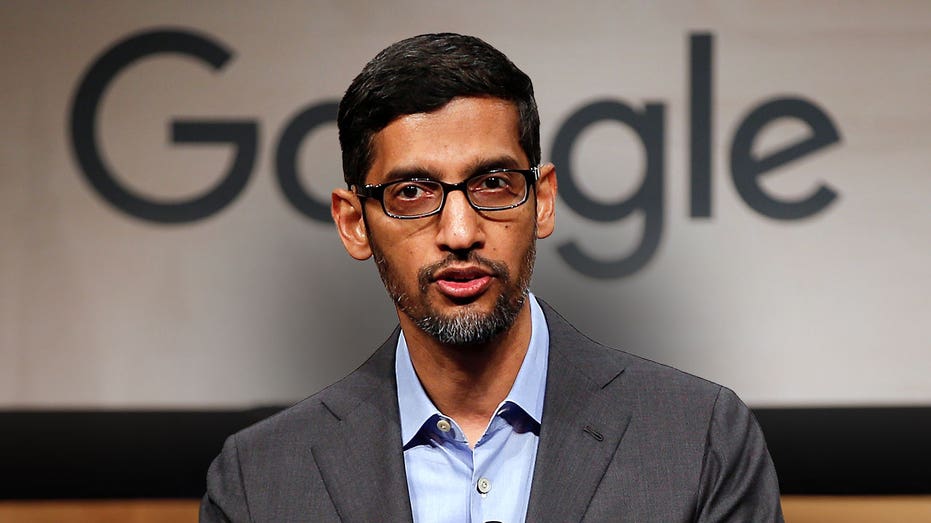
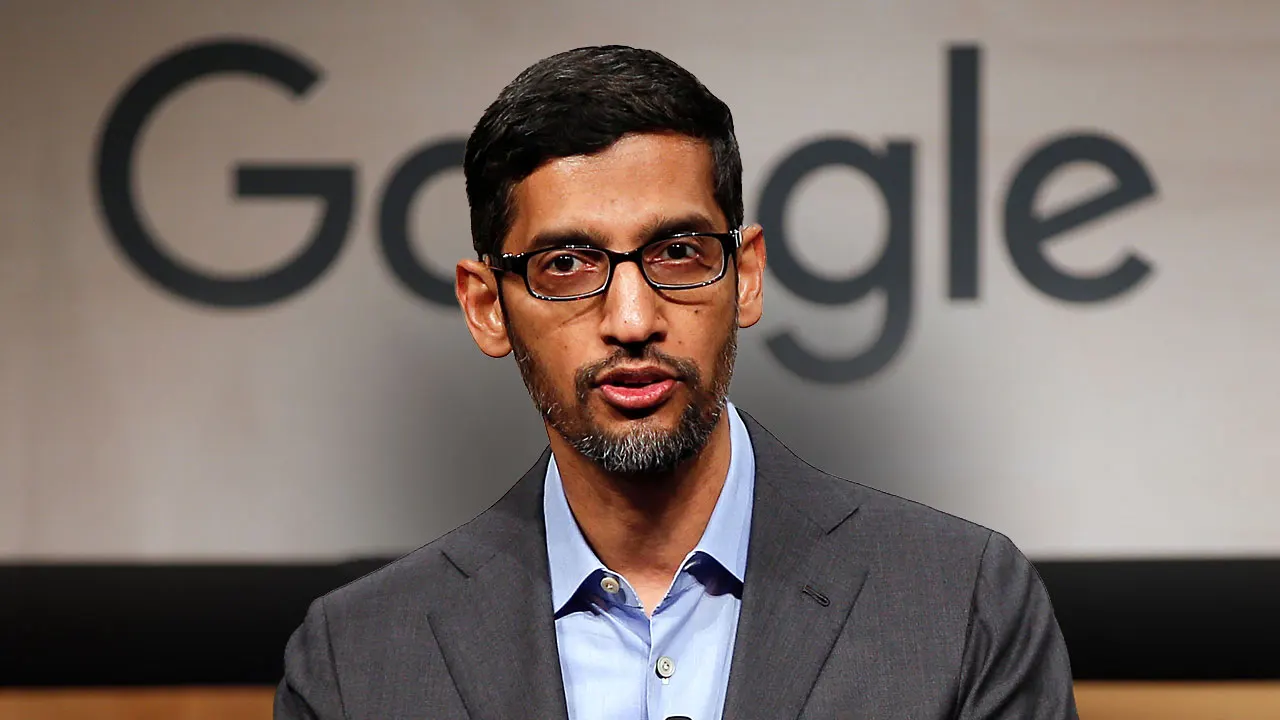
Sundar Pichai, the CEO of Google’s parent company, Alphabet. (Brandon Wade/Reuters / Reuters)
“Overall, we’re seeing our AI investments and infrastructure drive revenue and growth across the board,” stated CEO Sundar Pichai.
The scale of this growth is evident, with Alphabet reporting over $400 billion in annual revenue for the first time, highlighting the resilience of its core businesses even as it invests heavily in AI infrastructure.
SPOTIFY NOW REPRESENTS ONE-THIRD OF THE MUSIC INDUSTRY’S TOTAL RECORDED REVENUE IN 2025
By the end of the October to December quarter, Google’s Gemini app boasted over 750 million monthly active users, an increase from 650 million in the previous quarter. Although it still trails OpenAI’s ChatGPT, which reportedly has over 800 million weekly users, Pichai noted a significant rise in engagement since the Gemini 3 launch.
Gemini 3 is now integrated into Google’s search experience and powers its enterprise AI offerings, which have reached 8 million paying licenses, according to the company.
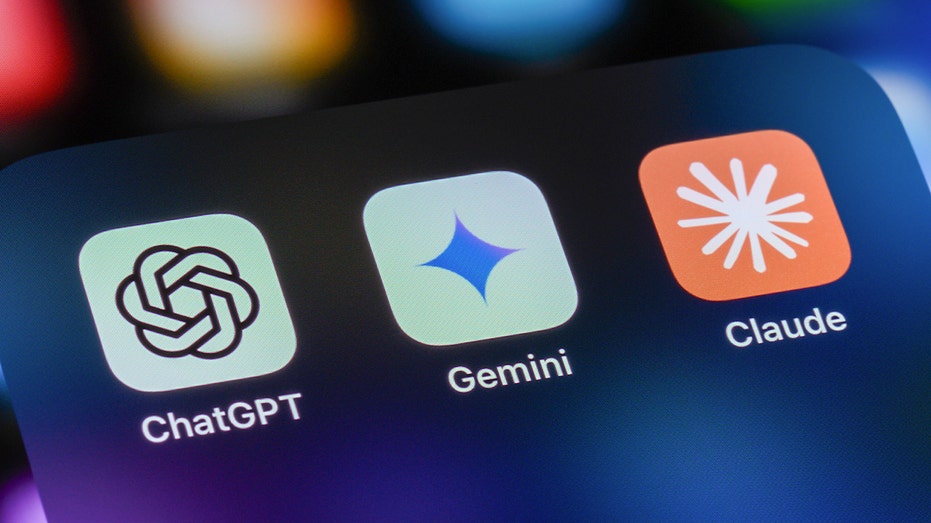
AI assistant apps on a smartphone – OpenAI ChatGPT, Google Gemini, and Anthropic Claude. (Getty Images)
Investor concerns regarding the surge in capital expenditures eased as results were announced. Google Cloud revenue soared by 48% in the quarter, reinforcing Wall Street’s perception that Alphabet’s AI investments are fostering genuine growth rather than speculative spending.
Initially, the stock dipped by as much as 6% in after-hours trading before stabilizing, reflecting a broader sentiment among investors: substantial AI spending will be acceptable only if it yields clear financial returns.
Alphabet’s robust financial position provides it with a competitive advantage in this landscape. With a strong cash reserve and multiple profit streams—from search and YouTube to cloud services—the company is better equipped than many rivals to absorb the hefty costs associated with the AI arms race.
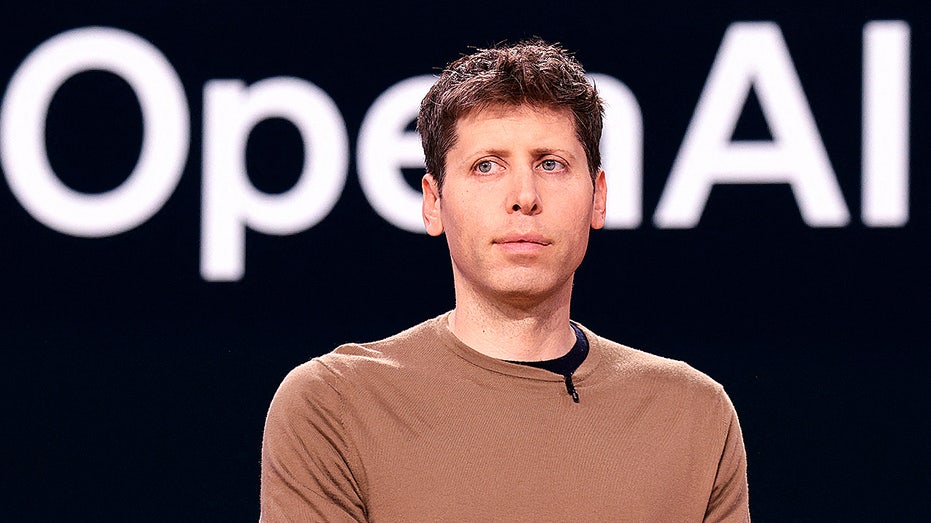
OpenAI CEO Sam Altman speaks during the Microsoft Build conference at the Seattle Convention Center Summit Building in Seattle, Washington. (Jason Redmond/Getty Images)
Since early last year, Alphabet has transitioned from being perceived as a laggard to a leader among the “Magnificent Seven” tech giants, now only rivaled by Nvidia and Apple in market value. In contrast, growing investor concerns surrounding OpenAI’s expensive expansion have underscored the attractiveness of Alphabet’s scale, profitability, and financial stability.
CLICK HERE TO GET FOX BUSINESS ON THE GO
“If you are software and you are connected to OpenAI, you’re doubly not intriguing to people,” remarked Eric Clark, portfolio manager of the LOGO ETF. “Right now, Google has the hot hand.”
‘The Big Money Show’ discusses the significant drop in software and data stocks, triggered by new AI tools that have raised disruption fears, resulting in a staggering $300 billion loss in market value.
During Wednesday’s post-earnings call, Alphabet executives exuded confidence, indicating that Google’s substantial investments in artificial intelligence are now yielding tangible revenue growth across its various business segments.
This call marked the first since the launch of Google’s Gemini 3 model, which has significantly enhanced user engagement and helped the company regain its competitive edge in the rapidly evolving AI landscape.
While executives refrained from directly mentioning OpenAI, the message was unmistakable: Google’s AI initiatives are no longer mere experiments; they are generating returns across search, cloud, and enterprise products.
This newfound confidence is driving Alphabet’s willingness to ramp up spending dramatically. Executives revealed plans for capital expenditures ranging from $175 billion to $185 billion by 2026 to enhance AI computing capacity, a forecast that initially unsettled investors.
APPLE SEES BIGGEST SALES JUMP IN 4 YEARS, POWERED BY ‘STAGGERING’ IPHONE DEMAND
Sundar Pichai, the CEO of Google’s parent company, Alphabet. (Brandon Wade/Reuters / Reuters)
“Overall, we’re seeing our AI investments and infrastructure drive revenue and growth across the board,” stated CEO Sundar Pichai.
The scale of this growth is evident, with Alphabet reporting over $400 billion in annual revenue for the first time, highlighting the resilience of its core businesses even as it invests heavily in AI infrastructure.
SPOTIFY NOW REPRESENTS ONE-THIRD OF THE MUSIC INDUSTRY’S TOTAL RECORDED REVENUE IN 2025
By the end of the October to December quarter, Google’s Gemini app boasted over 750 million monthly active users, an increase from 650 million in the previous quarter. Although it still trails OpenAI’s ChatGPT, which reportedly has over 800 million weekly users, Pichai noted a significant rise in engagement since the Gemini 3 launch.
Gemini 3 is now integrated into Google’s search experience and powers its enterprise AI offerings, which have reached 8 million paying licenses, according to the company.
AI assistant apps on a smartphone – OpenAI ChatGPT, Google Gemini, and Anthropic Claude. (Getty Images)
Investor concerns regarding the surge in capital expenditures eased as results were announced. Google Cloud revenue soared by 48% in the quarter, reinforcing Wall Street’s perception that Alphabet’s AI investments are fostering genuine growth rather than speculative spending.
Initially, the stock dipped by as much as 6% in after-hours trading before stabilizing, reflecting a broader sentiment among investors: substantial AI spending will be acceptable only if it yields clear financial returns.
Alphabet’s robust financial position provides it with a competitive advantage in this landscape. With a strong cash reserve and multiple profit streams—from search and YouTube to cloud services—the company is better equipped than many rivals to absorb the hefty costs associated with the AI arms race.
OpenAI CEO Sam Altman speaks during the Microsoft Build conference at the Seattle Convention Center Summit Building in Seattle, Washington. (Jason Redmond/Getty Images)
Since early last year, Alphabet has transitioned from being perceived as a laggard to a leader among the “Magnificent Seven” tech giants, now only rivaled by Nvidia and Apple in market value. In contrast, growing investor concerns surrounding OpenAI’s expensive expansion have underscored the attractiveness of Alphabet’s scale, profitability, and financial stability.
CLICK HERE TO GET FOX BUSINESS ON THE GO
“If you are software and you are connected to OpenAI, you’re doubly not intriguing to people,” remarked Eric Clark, portfolio manager of the LOGO ETF. “Right now, Google has the hot hand.”