Governor Hochul of New York Commits to Addressing Insurance Affordability, Legal Challenges, and Fraud
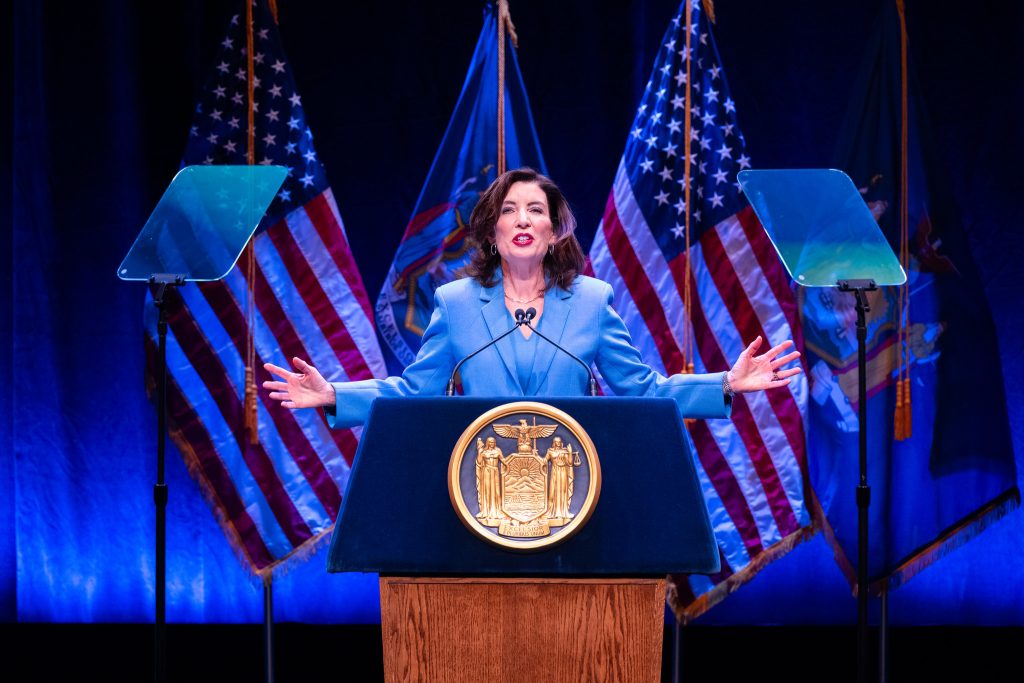
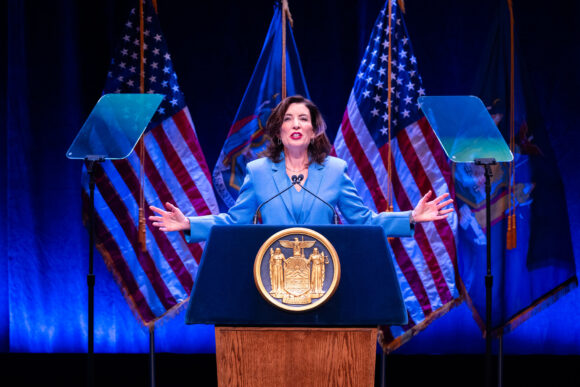
New York Governor Kathy Hochul has unveiled an ambitious agenda aimed at making life more affordable for residents. This initiative includes a strong focus on combating auto insurance fraud and implementing property insurance discounts for mitigation efforts.
During her 2026 State of the State address, Hochul highlighted the urgent need to address the issue of auto insurance fraud, which has contributed to soaring premiums averaging $4,000 annually—$1,500 above the national average. She proposed reforms to the serious injury threshold under the state’s no-fault insurance law, along with other anti-fraud measures.
On the topic of home insurance, Hochul emphasized the importance of providing policyholder discounts and ensuring a check on insurer profitability. She also expressed her commitment to allocating resources to combat workers’ compensation fraud.
Beyond insurance costs, Hochul’s affordability agenda encompasses several key areas: advancing universal childcare statewide, reducing utility costs, enhancing protections for renters, expanding food assistance, and eliminating state income taxes on tipped wages up to $25,000.
Auto Insurance Fraud
Why do New Yorkers face such high auto insurance rates? According to Hochul, it’s not due to the actions of responsible drivers but rather rampant fraud and excessive litigation costs. “We’re putting the brakes on fraud and ending a system that rewards illegal behavior,” she stated. Hochul emphasized that individuals engaging in criminal activities during accidents should not benefit financially.
In her 2026 State of the State report, Governor Hochul also proposed initiatives for flood risk management and addressing workers’ compensation fraud.
Mitigating Flood Risk: Hochul noted that climate change is increasing flooding frequency across New York. She plans to advance FloodSafe NY, a program designed to help communities identify flood-prone areas and coordinate watershed studies, implementation grants, and stream monitoring.
Workers’ Compensation Fraud: The Workers’ Compensation Board allocates annual funding to investigate fraud, but many referrals go unprosecuted due to insufficient resources. Hochul aims to introduce legislation that would enable the Board to fund dedicated workers’ compensation fraud units through employer assessments.
The governor asserted that New Yorkers “should not pay more for the same coverage” and declared that this year would mark a turning point in addressing these issues.
In 2023, the state reported over 1,729 staged crashes and a record 38,270 incidents of suspected motor vehicle insurance fraud. Hochul pledged to target medical providers who endorse fraudulent diagnoses that lead to substantial payouts and to empower prosecutors to seek criminal penalties against those orchestrating staged accidents.
Serious Injury Threshold
New York’s no-fault insurance law includes a “serious injury” threshold meant to filter out minor injuries from litigation. However, the definition is often vague. Hochul proposed revising this threshold with clear medical standards to minimize unnecessary litigation and align payouts with actual injury severity.
She also called for a cap on non-economic damages for drivers engaged in criminal behavior during incidents, including uninsured motorists and those committing felonies.
Hochul emphasized the need for insurance companies to play a pivotal role in combating fraud, criticizing current laws that limit their ability to investigate and report fraud within just 30 days. She proposed extending this timeframe.
Additionally, her agenda includes revitalizing the state’s Motor Vehicle Theft and Insurance Fraud Prevention Board, enhancing collaboration with law enforcement, and increasing resources dedicated to fighting auto insurance fraud.
Her proposals resonate with industry and consumer groups advocating for action against fraud. Ridesharing giant Uber, a supporter of Citizens for Affordable Rates (CAR), has been vocal about the rising insurance costs burdening families and businesses.
Residential Insurance
Hochul also aims to tackle the challenges of home insurance affordability and availability. “Homeowners and housing providers are facing escalating premiums and limited coverage options, threatening the affordability of New York’s housing,” she stated.
While average single-family home insurance rates in New York are lower than in many states, Hochul argued that they still strain family budgets and make multi-family housing less affordable.
To address these issues, she plans to expand automatic discounts for homeowners and commercial properties that undertake safety and weatherproofing upgrades. Furthermore, she proposed a “first-in-the-nation check” on home insurer profitability, requiring insurers with excessive profit margins to justify their rates to the Department of Financial Services (DFS).
Lawmakers’ Interest
Hochul intends to convene stakeholders from the affordable housing, real estate, and insurance sectors to explore strategies for reducing costs and enhancing affordability. Last August, state Senate committees initiated a formal investigation into the residential insurance market, seeking insights from regulators, insurance associations, and insurers.
In November, a Senate hearing featured over 40 organizations discussing the costs and availability of residential property insurance. While the market for homeowners appears stable, multi-family and public housing sectors require urgent attention.
General consensus identified rising insurance prices as a result of increasing weather severity, natural disasters, and economic inflation. However, advocates for affordable housing highlighted unfair pricing practices and flawed data tools as contributing factors to their challenges.
Despite recent laws banning discrimination against affordable housing in insurance decisions, the broader issues of rising costs remain unresolved, posing significant burdens for both affordable and market-rate housing operators.
Photo: New York Gov. Kathy Hochul
New York Governor Kathy Hochul has unveiled an ambitious agenda aimed at making life more affordable for residents. This initiative includes a strong focus on combating auto insurance fraud and implementing property insurance discounts for mitigation efforts.
During her 2026 State of the State address, Hochul highlighted the urgent need to address the issue of auto insurance fraud, which has contributed to soaring premiums averaging $4,000 annually—$1,500 above the national average. She proposed reforms to the serious injury threshold under the state’s no-fault insurance law, along with other anti-fraud measures.
On the topic of home insurance, Hochul emphasized the importance of providing policyholder discounts and ensuring a check on insurer profitability. She also expressed her commitment to allocating resources to combat workers’ compensation fraud.
Beyond insurance costs, Hochul’s affordability agenda encompasses several key areas: advancing universal childcare statewide, reducing utility costs, enhancing protections for renters, expanding food assistance, and eliminating state income taxes on tipped wages up to $25,000.
Auto Insurance Fraud
Why do New Yorkers face such high auto insurance rates? According to Hochul, it’s not due to the actions of responsible drivers but rather rampant fraud and excessive litigation costs. “We’re putting the brakes on fraud and ending a system that rewards illegal behavior,” she stated. Hochul emphasized that individuals engaging in criminal activities during accidents should not benefit financially.
In her 2026 State of the State report, Governor Hochul also proposed initiatives for flood risk management and addressing workers’ compensation fraud.
Mitigating Flood Risk: Hochul noted that climate change is increasing flooding frequency across New York. She plans to advance FloodSafe NY, a program designed to help communities identify flood-prone areas and coordinate watershed studies, implementation grants, and stream monitoring.
Workers’ Compensation Fraud: The Workers’ Compensation Board allocates annual funding to investigate fraud, but many referrals go unprosecuted due to insufficient resources. Hochul aims to introduce legislation that would enable the Board to fund dedicated workers’ compensation fraud units through employer assessments.
The governor asserted that New Yorkers “should not pay more for the same coverage” and declared that this year would mark a turning point in addressing these issues.
In 2023, the state reported over 1,729 staged crashes and a record 38,270 incidents of suspected motor vehicle insurance fraud. Hochul pledged to target medical providers who endorse fraudulent diagnoses that lead to substantial payouts and to empower prosecutors to seek criminal penalties against those orchestrating staged accidents.
Serious Injury Threshold
New York’s no-fault insurance law includes a “serious injury” threshold meant to filter out minor injuries from litigation. However, the definition is often vague. Hochul proposed revising this threshold with clear medical standards to minimize unnecessary litigation and align payouts with actual injury severity.
She also called for a cap on non-economic damages for drivers engaged in criminal behavior during incidents, including uninsured motorists and those committing felonies.
Hochul emphasized the need for insurance companies to play a pivotal role in combating fraud, criticizing current laws that limit their ability to investigate and report fraud within just 30 days. She proposed extending this timeframe.
Additionally, her agenda includes revitalizing the state’s Motor Vehicle Theft and Insurance Fraud Prevention Board, enhancing collaboration with law enforcement, and increasing resources dedicated to fighting auto insurance fraud.
Her proposals resonate with industry and consumer groups advocating for action against fraud. Ridesharing giant Uber, a supporter of Citizens for Affordable Rates (CAR), has been vocal about the rising insurance costs burdening families and businesses.
Residential Insurance
Hochul also aims to tackle the challenges of home insurance affordability and availability. “Homeowners and housing providers are facing escalating premiums and limited coverage options, threatening the affordability of New York’s housing,” she stated.
While average single-family home insurance rates in New York are lower than in many states, Hochul argued that they still strain family budgets and make multi-family housing less affordable.
To address these issues, she plans to expand automatic discounts for homeowners and commercial properties that undertake safety and weatherproofing upgrades. Furthermore, she proposed a “first-in-the-nation check” on home insurer profitability, requiring insurers with excessive profit margins to justify their rates to the Department of Financial Services (DFS).
Lawmakers’ Interest
Hochul intends to convene stakeholders from the affordable housing, real estate, and insurance sectors to explore strategies for reducing costs and enhancing affordability. Last August, state Senate committees initiated a formal investigation into the residential insurance market, seeking insights from regulators, insurance associations, and insurers.
In November, a Senate hearing featured over 40 organizations discussing the costs and availability of residential property insurance. While the market for homeowners appears stable, multi-family and public housing sectors require urgent attention.
General consensus identified rising insurance prices as a result of increasing weather severity, natural disasters, and economic inflation. However, advocates for affordable housing highlighted unfair pricing practices and flawed data tools as contributing factors to their challenges.
Despite recent laws banning discrimination against affordable housing in insurance decisions, the broader issues of rising costs remain unresolved, posing significant burdens for both affordable and market-rate housing operators.
Photo: New York Gov. Kathy Hochul