Health Care Costs Jump to the Fore as Candidates Jockey To Be California Governor
RIVERSIDE, Calif. — With California’s gubernatorial election just a year away, the primary candidate landscape is still evolving. However, one pressing issue has already taken center stage: the escalating cost of health care.
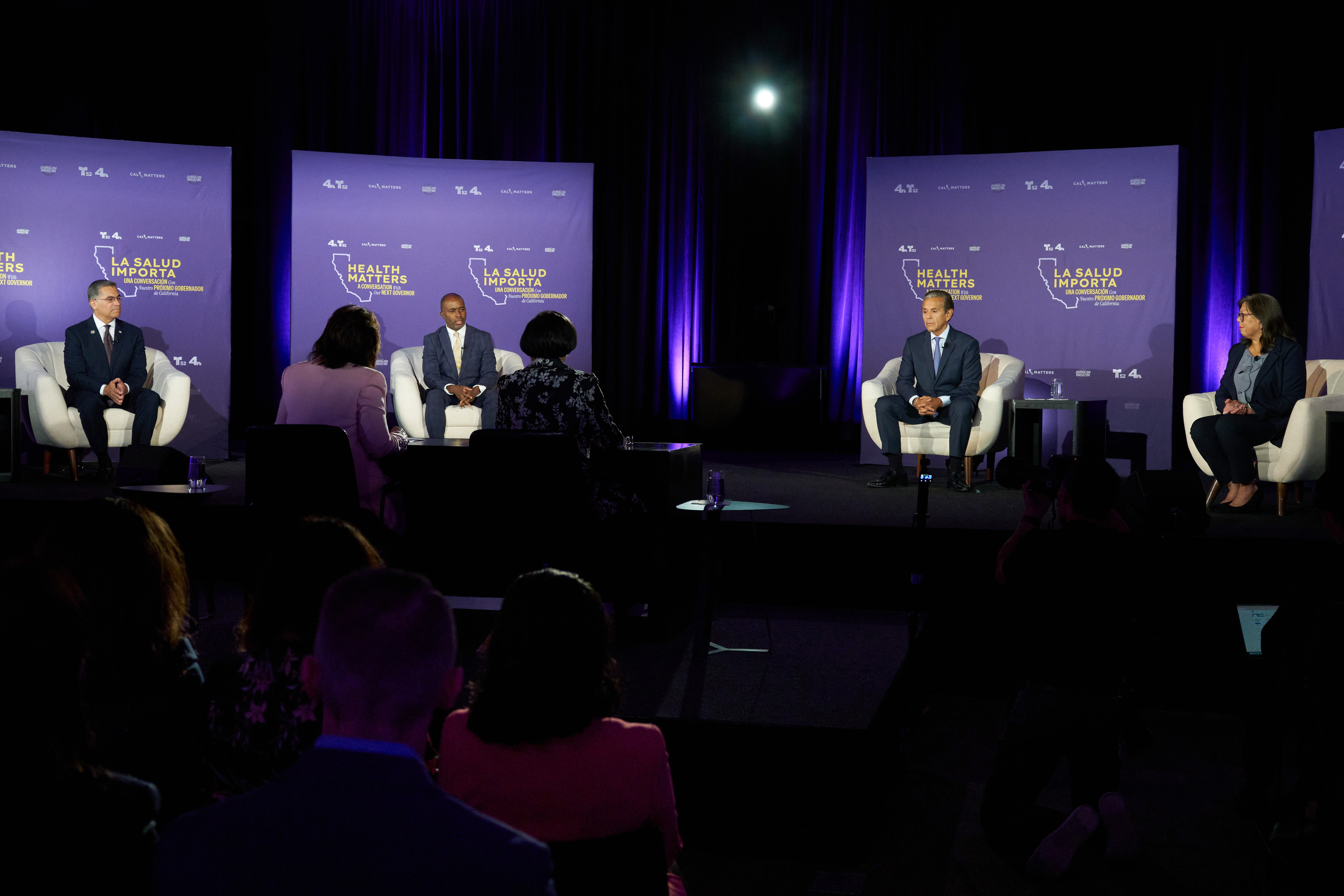
During a forum held on November 7 in the Inland Empire, four Democratic candidates competing to succeed Gov. Gavin Newsom committed to resisting Republican cuts to health care programs and enhancing access to medical care, including mental health services. While some candidates proposed tax increases, they offered few specifics on how they would effectively reduce health care costs.
Former U.S. Health and Human Services Secretary Xavier Becerra declared his intention to be California’s next “health care governor,” reflecting Newsom’s commitment to lowering costs and expanding access. State Superintendent of Public Instruction Tony Thurmond advocated for a single-payer health care system that pools everyone into one program. Former state Controller Betty Yee expressed her goal to “build back better” from federal cuts, tailoring a health care system to California’s diverse communities.
Antonio Villaraigosa, the former mayor of Los Angeles, pledged to protect safety net health care programs diminished by the Trump administration and congressional Republicans, although he acknowledged the challenges posed by limited state resources. “I’m not gonna sell you snake oil,” he stated. “It is going to be tough to provide that care, but I’m absolutely committed to it.”
The candidates’ promises come amid shifting state and federal policies that, combined with various factors, are driving up health care costs and complicating access to coverage. Analysts point to inflationary pressures, including an aging population, rising chronic conditions, medical advancements, and new technologies. This has contributed to a sense of financial instability for many Californians grappling with the state’s high cost of living and a recent inflation spike.
Although the forum was open to six candidates, former U.S. Rep. Katie Porter and entrepreneur Stephen Cloobeck opted out, citing scheduling conflicts, according to event spokesperson Jon Koriel.
Health Care Top Concern
A statewide poll commissioned by the California Wellness Foundation found that nearly 80% of likely voters are concerned about health care costs, with 72% believing the next governor should prioritize capping out-of-pocket expenses. Access to affordable mental health care and the ability to care for aging family members were also significant concerns. In a potential early indicator, voters in Santa Clara County recently approved a sales tax to help offset federal cuts to food and health care safety net programs.
California reflects national trends. Exit polls from the Nov. 4 election revealed that 81% of voters who supported Democrat Abigail Spanberger, the winner of Virginia’s gubernatorial race, identified health care as the most pressing issue. A national Reuters/Ipsos poll indicated that health care is the top everyday expense Americans want Congress to prioritize. Furthermore, 65% of voters stated that an annual health cost increase of $1,000 would influence their 2026 vote, according to a recent KFF poll.
Some Californians interviewed on Nov. 4 expressed disappointment in Newsom’s unfulfilled health care promises. Newsom, a Democrat contemplating a presidential run as he approaches the end of his second term in January 2027, had campaigned on single-payer health care.
During his tenure, he has allocated billions and implemented rules to assist the most vulnerable Californians in accessing health care. The state expanded Medicaid coverage, known as Medi-Cal, to all eligible residents, regardless of immigration status. Medicaid provides free or low-cost health insurance to low-income and disabled individuals.
However, this year, facing rising costs and budget deficits, Newsom and the Democratic-controlled legislature scaled back some of that expansion by freezing enrollment for adults without legal status starting in 2026 and introducing premiums. They also reinstated an asset test for older adults and people with disabilities. Meanwhile, health care costs and homelessness remain significant issues, with many Californians struggling to access basic medical care. The prospect of a single-payer health care system remains elusive, as Sacramento lawmakers have repeatedly failed to advance it due to cost concerns, including a 2017 estimate of $400 billion annually.
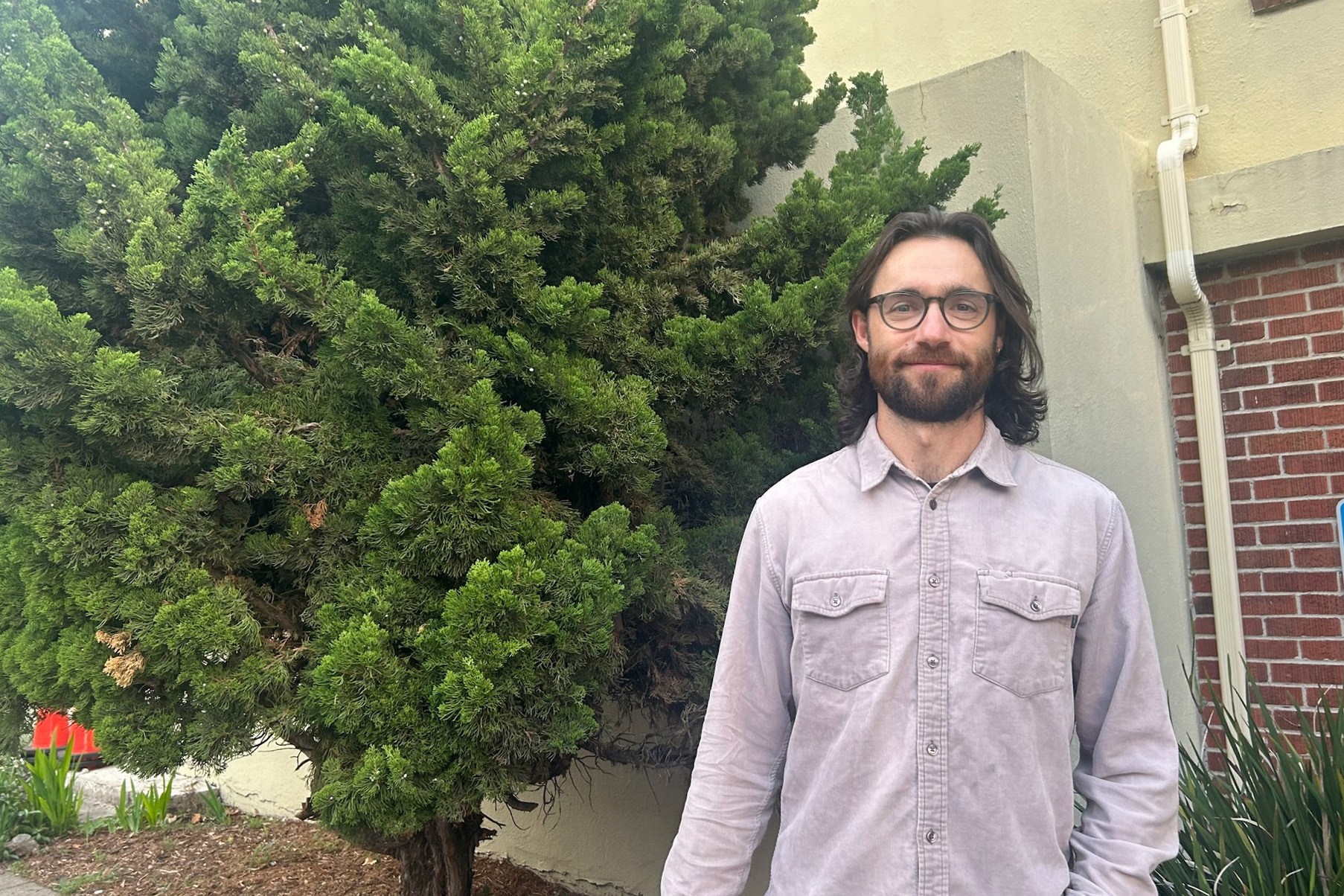
“I remember him coming and speaking to our members and telling them that he was going to fight with them for single payer,” said Michael Cusack, a 30-year-old former health care union worker from Oakland. “And I never saw him deliver on that campaign.”
Paying for Health Care
Becerra, Thurmond, and Yee expressed openness to raising taxes to fund health care programs. Villaraigosa avoided the tax discussion, focusing instead on economic growth. Yee also proposed tax credits to assist struggling families with health care and caregiving expenses.
During the forum’s rapid-fire segment, Becerra, Thurmond, and Yee all indicated their support for single-payer care. Becerra later mentioned that he doubts the state would receive federal support for a single-payer system but affirmed his commitment to universal health care access.
All candidates seemed aware of the federal government’s influence over health care resources, even as they pledged to confront President Donald Trump, who has a notably adversarial relationship with Newsom. “Let’s recognize that the federal government is our largest partner,” Becerra stated. “We must work with them. We will not take a knee, but we must work with them.”
Currently, the most significant threats to health care costs and accessibility stem from the federal government. Congressional Republicans have resisted extending premium tax subsidies for health insurance plans purchased on Affordable Care Act exchanges, a key issue that contributed to the recent government shutdown. Enrollees in Covered California, the state’s health insurance exchange, have received notifications of impending premium increases for the next year. On average, premiums for ACA plans are expected to double nationwide.
Laura Jones, a small-business owner in Oakland, currently pays the minimum for her Covered California plan but worries about affording a major medical emergency. She recalls a friend who recently suffered a stroke. “The hospital bills were just so egregious,” Jones said. “How would I pay for that?”
Additionally, an impending $900 billion reduction in federal Medicaid spending under the One Big Beautiful Bill Act, along with stricter eligibility criteria, could potentially displace as many as 3.4 million Californians from the program. Over one-third of Californians are currently enrolled in Medi-Cal.
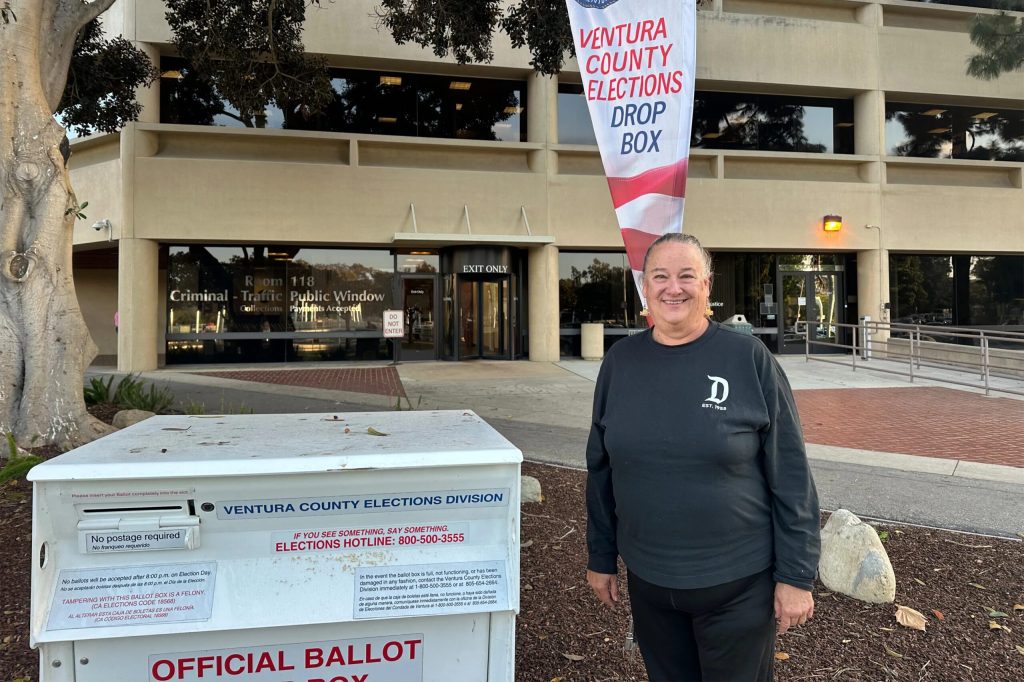
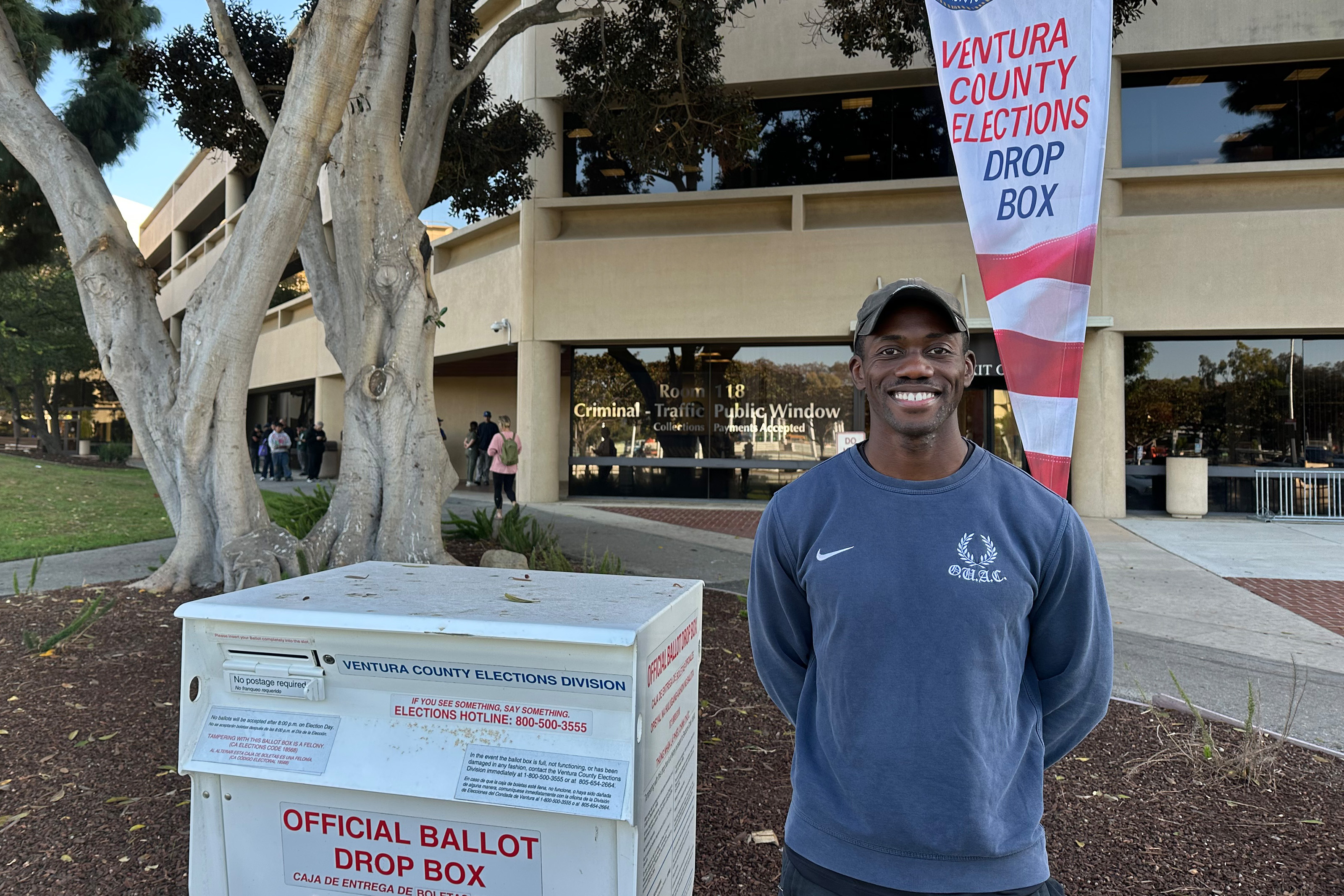
Oseoba Airewele, 29, of Ventura, a registered Democrat and former software engineer, described Medi-Cal as a lifeline after losing his job and needing mental health and dental care. “If I were to lose it, I would be very concerned,” he said. “I’d be in a bad place.”
Individuals with employer-based health coverage are also facing steep price hikes. Family premiums for employer-based plans averaged nearly $27,000 this year, a 6% increase from 2024, according to a new KFF report. Workers typically contribute about $7,000 of that amount, not including other out-of-pocket expenses.
“Even though I have a job, it’s still really expensive to pay for the copays,” remarked Rheema Calloway, 35, an independent voter from San Francisco.
Primary in June
Among other Democratic candidates for governor in 2026, Porter has stated she will prioritize fighting federal cuts to Medicaid and Medicare, along with expanding and improving health care for all residents. Her campaign faced challenges after viral videos emerged showing her threatening to walk out of a CBS interview and reprimanding a staff member. Former Assemblyman Ian Calderon has pledged to protect access to Medi-Cal, while Cloobeck aims to expedite housing construction.
Republican candidates include Riverside County Sheriff Chad Bianco and Steve Hilton, a former Fox News contributor and policy adviser to David Cameron during his tenure as Britain’s prime minister. Both have committed to addressing affordability issues, particularly concerning housing costs.
Notably, two prominent Democrats — former Vice President Kamala Harris and U.S. Sen. Alex Padilla — have announced they will not run. Meanwhile, Rick Caruso, a businessman who transitioned from Republican to Democrat, has yet to decide on his candidacy.
The California primary is scheduled for June 2, with the general election set for November 3.
KFF Health News correspondent Christine Mai-Duc and ethnic media editor Ngoc Nguyen contributed to this report.
RIVERSIDE, Calif. — With California’s gubernatorial election just a year away, the primary candidate landscape is still evolving. However, one pressing issue has already taken center stage: the escalating cost of health care.
During a forum held on November 7 in the Inland Empire, four Democratic candidates competing to succeed Gov. Gavin Newsom committed to resisting Republican cuts to health care programs and enhancing access to medical care, including mental health services. While some candidates proposed tax increases, they offered few specifics on how they would effectively reduce health care costs.
Former U.S. Health and Human Services Secretary Xavier Becerra declared his intention to be California’s next “health care governor,” reflecting Newsom’s commitment to lowering costs and expanding access. State Superintendent of Public Instruction Tony Thurmond advocated for a single-payer health care system that pools everyone into one program. Former state Controller Betty Yee expressed her goal to “build back better” from federal cuts, tailoring a health care system to California’s diverse communities.
Antonio Villaraigosa, the former mayor of Los Angeles, pledged to protect safety net health care programs diminished by the Trump administration and congressional Republicans, although he acknowledged the challenges posed by limited state resources. “I’m not gonna sell you snake oil,” he stated. “It is going to be tough to provide that care, but I’m absolutely committed to it.”
The candidates’ promises come amid shifting state and federal policies that, combined with various factors, are driving up health care costs and complicating access to coverage. Analysts point to inflationary pressures, including an aging population, rising chronic conditions, medical advancements, and new technologies. This has contributed to a sense of financial instability for many Californians grappling with the state’s high cost of living and a recent inflation spike.
Although the forum was open to six candidates, former U.S. Rep. Katie Porter and entrepreneur Stephen Cloobeck opted out, citing scheduling conflicts, according to event spokesperson Jon Koriel.
Health Care Top Concern
A statewide poll commissioned by the California Wellness Foundation found that nearly 80% of likely voters are concerned about health care costs, with 72% believing the next governor should prioritize capping out-of-pocket expenses. Access to affordable mental health care and the ability to care for aging family members were also significant concerns. In a potential early indicator, voters in Santa Clara County recently approved a sales tax to help offset federal cuts to food and health care safety net programs.
California reflects national trends. Exit polls from the Nov. 4 election revealed that 81% of voters who supported Democrat Abigail Spanberger, the winner of Virginia’s gubernatorial race, identified health care as the most pressing issue. A national Reuters/Ipsos poll indicated that health care is the top everyday expense Americans want Congress to prioritize. Furthermore, 65% of voters stated that an annual health cost increase of $1,000 would influence their 2026 vote, according to a recent KFF poll.
Some Californians interviewed on Nov. 4 expressed disappointment in Newsom’s unfulfilled health care promises. Newsom, a Democrat contemplating a presidential run as he approaches the end of his second term in January 2027, had campaigned on single-payer health care.
During his tenure, he has allocated billions and implemented rules to assist the most vulnerable Californians in accessing health care. The state expanded Medicaid coverage, known as Medi-Cal, to all eligible residents, regardless of immigration status. Medicaid provides free or low-cost health insurance to low-income and disabled individuals.
However, this year, facing rising costs and budget deficits, Newsom and the Democratic-controlled legislature scaled back some of that expansion by freezing enrollment for adults without legal status starting in 2026 and introducing premiums. They also reinstated an asset test for older adults and people with disabilities. Meanwhile, health care costs and homelessness remain significant issues, with many Californians struggling to access basic medical care. The prospect of a single-payer health care system remains elusive, as Sacramento lawmakers have repeatedly failed to advance it due to cost concerns, including a 2017 estimate of $400 billion annually.
“I remember him coming and speaking to our members and telling them that he was going to fight with them for single payer,” said Michael Cusack, a 30-year-old former health care union worker from Oakland. “And I never saw him deliver on that campaign.”
Paying for Health Care
Becerra, Thurmond, and Yee expressed openness to raising taxes to fund health care programs. Villaraigosa avoided the tax discussion, focusing instead on economic growth. Yee also proposed tax credits to assist struggling families with health care and caregiving expenses.
During the forum’s rapid-fire segment, Becerra, Thurmond, and Yee all indicated their support for single-payer care. Becerra later mentioned that he doubts the state would receive federal support for a single-payer system but affirmed his commitment to universal health care access.
All candidates seemed aware of the federal government’s influence over health care resources, even as they pledged to confront President Donald Trump, who has a notably adversarial relationship with Newsom. “Let’s recognize that the federal government is our largest partner,” Becerra stated. “We must work with them. We will not take a knee, but we must work with them.”
Currently, the most significant threats to health care costs and accessibility stem from the federal government. Congressional Republicans have resisted extending premium tax subsidies for health insurance plans purchased on Affordable Care Act exchanges, a key issue that contributed to the recent government shutdown. Enrollees in Covered California, the state’s health insurance exchange, have received notifications of impending premium increases for the next year. On average, premiums for ACA plans are expected to double nationwide.
Laura Jones, a small-business owner in Oakland, currently pays the minimum for her Covered California plan but worries about affording a major medical emergency. She recalls a friend who recently suffered a stroke. “The hospital bills were just so egregious,” Jones said. “How would I pay for that?”
Additionally, an impending $900 billion reduction in federal Medicaid spending under the One Big Beautiful Bill Act, along with stricter eligibility criteria, could potentially displace as many as 3.4 million Californians from the program. Over one-third of Californians are currently enrolled in Medi-Cal.
Oseoba Airewele, 29, of Ventura, a registered Democrat and former software engineer, described Medi-Cal as a lifeline after losing his job and needing mental health and dental care. “If I were to lose it, I would be very concerned,” he said. “I’d be in a bad place.”
Individuals with employer-based health coverage are also facing steep price hikes. Family premiums for employer-based plans averaged nearly $27,000 this year, a 6% increase from 2024, according to a new KFF report. Workers typically contribute about $7,000 of that amount, not including other out-of-pocket expenses.
“Even though I have a job, it’s still really expensive to pay for the copays,” remarked Rheema Calloway, 35, an independent voter from San Francisco.
Primary in June
Among other Democratic candidates for governor in 2026, Porter has stated she will prioritize fighting federal cuts to Medicaid and Medicare, along with expanding and improving health care for all residents. Her campaign faced challenges after viral videos emerged showing her threatening to walk out of a CBS interview and reprimanding a staff member. Former Assemblyman Ian Calderon has pledged to protect access to Medi-Cal, while Cloobeck aims to expedite housing construction.
Republican candidates include Riverside County Sheriff Chad Bianco and Steve Hilton, a former Fox News contributor and policy adviser to David Cameron during his tenure as Britain’s prime minister. Both have committed to addressing affordability issues, particularly concerning housing costs.
Notably, two prominent Democrats — former Vice President Kamala Harris and U.S. Sen. Alex Padilla — have announced they will not run. Meanwhile, Rick Caruso, a businessman who transitioned from Republican to Democrat, has yet to decide on his candidacy.
The California primary is scheduled for June 2, with the general election set for November 3.
KFF Health News correspondent Christine Mai-Duc and ethnic media editor Ngoc Nguyen contributed to this report.