Homeless Shelters for Seniors Pop Up, Catering to Older Adults’ Medical Needs
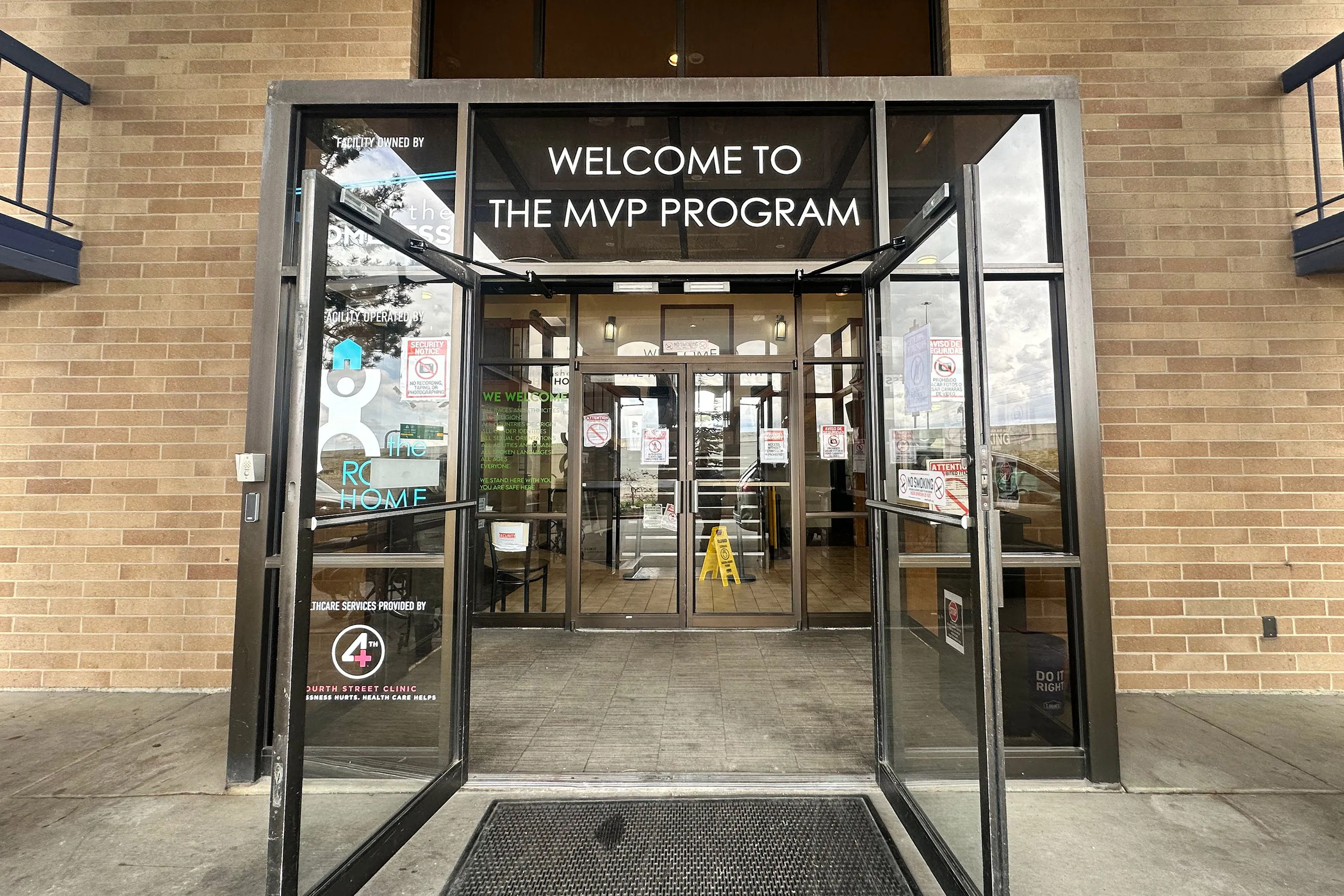
SANDY, Utah — Nestled just outside Salt Lake City, an old two-story brick hotel has been transformed into a vital resource for the community: a homeless shelter specifically designed for seniors. Known as the MVP shelter, it caters to individuals aged 62 and older, as well as younger adults with chronic health conditions.
At the MVP shelter, residents share rooms that are thoughtfully designed to accommodate those with mobility challenges. Each room features private bathrooms, a significant benefit for seniors dealing with incontinence issues.
Unlike the MVP, many traditional homeless shelters lack the necessary facilities to support seniors, particularly those aged 65 and older. According to Dennis Culhane, a researcher at the University of Pennsylvania, this demographic is the fastest-growing homeless population in the country. Many seniors are experiencing homelessness for the first time, while others who have faced chronic homelessness are simply aging.
For older adults, navigating the challenges of shelter life can be daunting. Issues such as getting in and out of bunks, managing medications, and accessing shared bathrooms can be overwhelming. In many cases, staff at conventional shelters may ask seniors to leave if they cannot care for themselves.
What sets the MVP apart is its provision of on-site medical care, designed to better serve its aging residents.
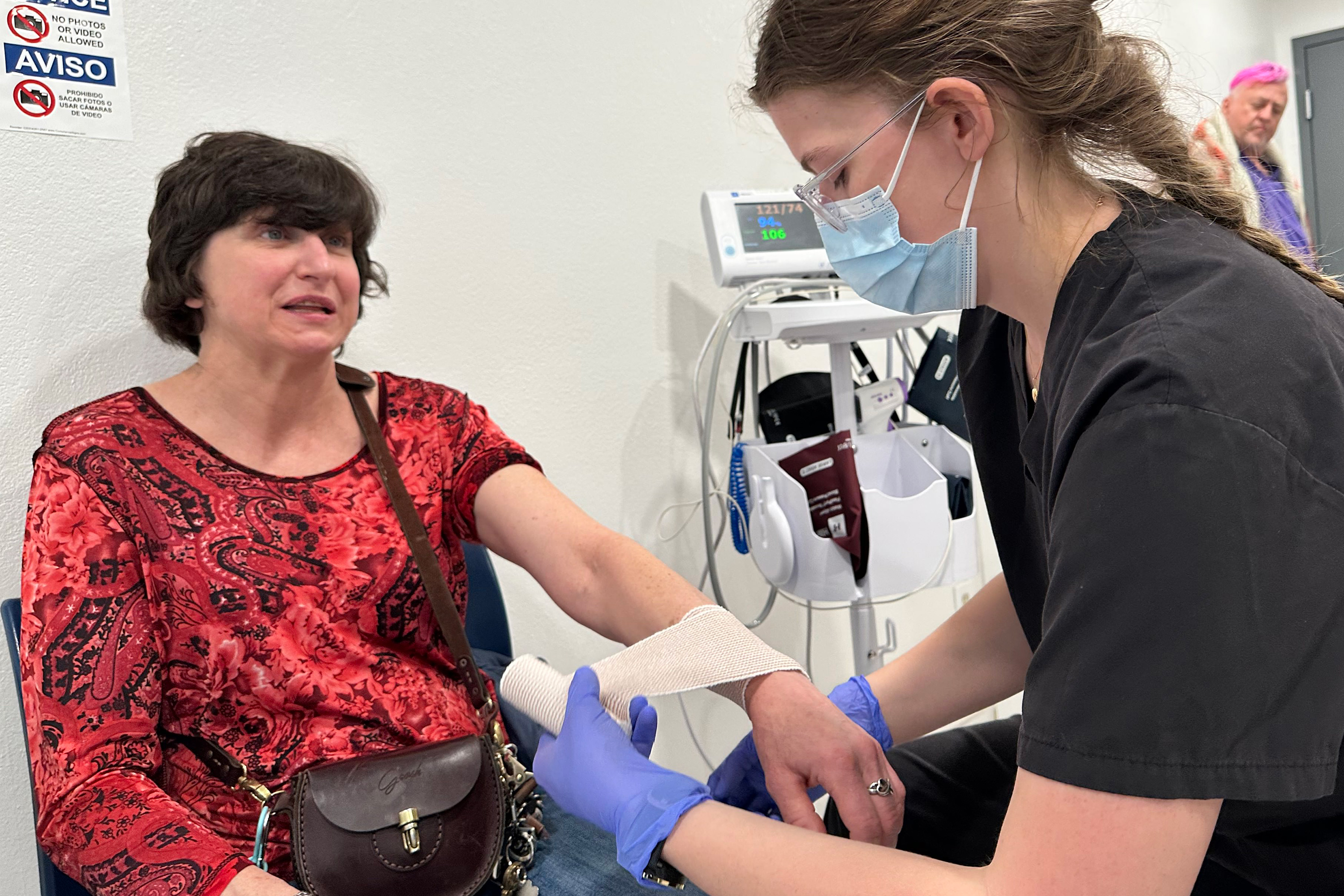
Last spring, Jamie Mangum, a resident in her 50s battling lung cancer, experienced a fall in her room. Fortunately, she only needed to make her way downstairs to consult with an emergency medical technician. Her swollen wrist was quickly treated, allowing her to return to her room without the long wait she would have faced at other shelters.
“There, I’d have to wait hours as opposed to come in here, be seen,” Mangum remarked.
Mangum noted that in other shelters, she would have had to find her own way to urgent care or rely on an ambulance. The specialized case managers at the MVP have also assisted her in obtaining treatment for her lung cancer.
“We have clients that need memory care. Maybe they were living independently before, but they were unable to maintain that and got evicted due to dementia or other issues,” explained Baleigh Dellos, manager of the MVP shelter for The Road Home, a local nonprofit.
At the MVP, specialized medical case managers are on staff, and primary care doctors and therapists visit weekly. Residents can even receive physical therapy in private spaces on-site.
A Path to Stability
The MVP collaborates with the Fourth Street Clinic to provide essential medical care.
Most new residents initially require assistance with their medications, according to Matt Haroldsen from the Fourth Street Clinic. For those living on the streets, keeping track of regular medications can be a significant challenge. “Their medications get jacked when they’re in their camps,” he explained.
For example, homeless diabetes patients often bury their insulin to keep it cool, but may forget where they buried it, or the vials might spoil if they get too warm. Ensuring that residents receive their medications can stabilize their health, allowing them to focus on obtaining necessary documents for disability, Social Security, and housing applications.
Similar shelters have been established in Florida, California, and Arizona to address the needs of older unhoused adults.
Access to specialized shelters can be a matter of life and death, according to Caitlin Synovec, assistant director of the National Health Care for the Homeless Council. In colder states, denying seniors a bed due to mobility or health issues can have dire consequences. In 2022, a senior in Bozeman, Montana, tragically froze to death after being asked to leave a shelter because of incontinence.
Complex medical needs can pose risks to other residents, which many shelters are not equipped to handle. “A typical shelter doesn’t allow somebody on oxygen to come in because that’s such a fire hazard and risk,” Synovec noted.
Improving access to healthcare within shelters is crucial for helping seniors succeed once they secure housing, as health issues often prevent them from maintaining stable living conditions.
A Growing Model
The MVP model is gaining traction, showing promise both in Utah and beyond. “Over 80% of the people who’ve stayed in our program this past year have moved into stable or permanent housing,” said Jacob Torner, vice president of programs for the TaskForce for Ending Homelessness in Fort Lauderdale, Florida, which operates a shelter called Elder Haven.
In Sandy, the MVP shelter has successfully housed 36 seniors as of late last year. However, the demand remains high, with a waitlist of around 200 people. Dellos emphasized that the shelter prioritizes individuals based on medical need rather than time spent on the waitlist.
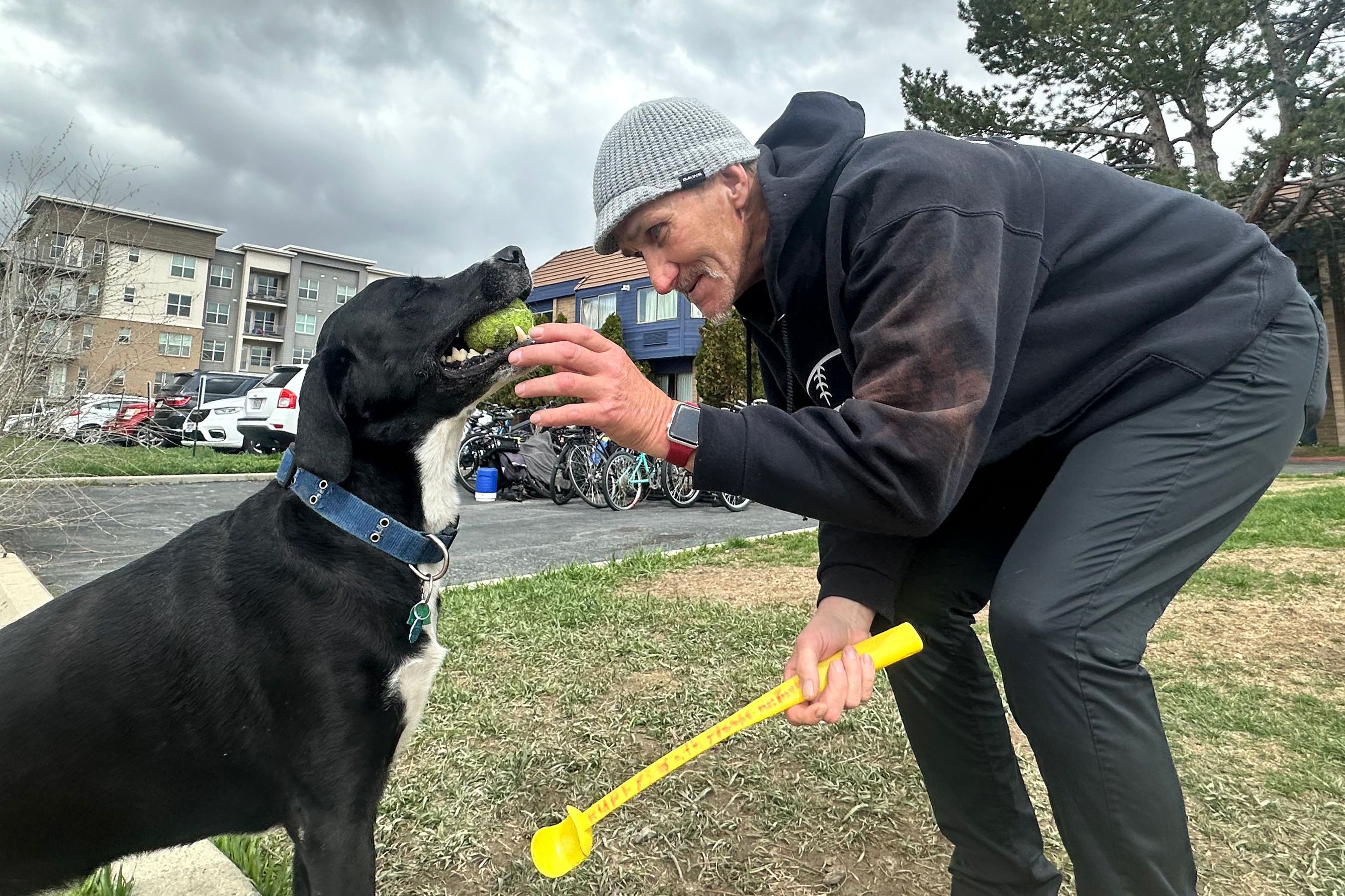
For those fortunate enough to secure a room, the experience can be life-changing. Last spring, 62-year-old Jeff Gregg was seen playing fetch with his dog, Ruffy, just outside the MVP shelter.
Gregg shared his struggles with addiction, which stemmed from an old back injury. He explained how the MVP was the first place where he could focus on recovery without the immediate pressures of finding food and shelter.
“I was able to get clean. It took me a couple of months, but I just kept plucking away,” he said. This journey ultimately led him to receive back surgery, and he hopes that with reduced pain, he can secure a job and afford an apartment.
This article is part of a partnership with NPR and Montana Public Radio.
SANDY, Utah — Nestled just outside Salt Lake City, an old two-story brick hotel has been transformed into a vital resource for the community: a homeless shelter specifically designed for seniors. Known as the MVP shelter, it caters to individuals aged 62 and older, as well as younger adults with chronic health conditions.
At the MVP shelter, residents share rooms that are thoughtfully designed to accommodate those with mobility challenges. Each room features private bathrooms, a significant benefit for seniors dealing with incontinence issues.
Unlike the MVP, many traditional homeless shelters lack the necessary facilities to support seniors, particularly those aged 65 and older. According to Dennis Culhane, a researcher at the University of Pennsylvania, this demographic is the fastest-growing homeless population in the country. Many seniors are experiencing homelessness for the first time, while others who have faced chronic homelessness are simply aging.
For older adults, navigating the challenges of shelter life can be daunting. Issues such as getting in and out of bunks, managing medications, and accessing shared bathrooms can be overwhelming. In many cases, staff at conventional shelters may ask seniors to leave if they cannot care for themselves.
What sets the MVP apart is its provision of on-site medical care, designed to better serve its aging residents.
Last spring, Jamie Mangum, a resident in her 50s battling lung cancer, experienced a fall in her room. Fortunately, she only needed to make her way downstairs to consult with an emergency medical technician. Her swollen wrist was quickly treated, allowing her to return to her room without the long wait she would have faced at other shelters.
“There, I’d have to wait hours as opposed to come in here, be seen,” Mangum remarked.
Mangum noted that in other shelters, she would have had to find her own way to urgent care or rely on an ambulance. The specialized case managers at the MVP have also assisted her in obtaining treatment for her lung cancer.
“We have clients that need memory care. Maybe they were living independently before, but they were unable to maintain that and got evicted due to dementia or other issues,” explained Baleigh Dellos, manager of the MVP shelter for The Road Home, a local nonprofit.
At the MVP, specialized medical case managers are on staff, and primary care doctors and therapists visit weekly. Residents can even receive physical therapy in private spaces on-site.
A Path to Stability
The MVP collaborates with the Fourth Street Clinic to provide essential medical care.
Most new residents initially require assistance with their medications, according to Matt Haroldsen from the Fourth Street Clinic. For those living on the streets, keeping track of regular medications can be a significant challenge. “Their medications get jacked when they’re in their camps,” he explained.
For example, homeless diabetes patients often bury their insulin to keep it cool, but may forget where they buried it, or the vials might spoil if they get too warm. Ensuring that residents receive their medications can stabilize their health, allowing them to focus on obtaining necessary documents for disability, Social Security, and housing applications.
Similar shelters have been established in Florida, California, and Arizona to address the needs of older unhoused adults.
Access to specialized shelters can be a matter of life and death, according to Caitlin Synovec, assistant director of the National Health Care for the Homeless Council. In colder states, denying seniors a bed due to mobility or health issues can have dire consequences. In 2022, a senior in Bozeman, Montana, tragically froze to death after being asked to leave a shelter because of incontinence.
Complex medical needs can pose risks to other residents, which many shelters are not equipped to handle. “A typical shelter doesn’t allow somebody on oxygen to come in because that’s such a fire hazard and risk,” Synovec noted.
Improving access to healthcare within shelters is crucial for helping seniors succeed once they secure housing, as health issues often prevent them from maintaining stable living conditions.
A Growing Model
The MVP model is gaining traction, showing promise both in Utah and beyond. “Over 80% of the people who’ve stayed in our program this past year have moved into stable or permanent housing,” said Jacob Torner, vice president of programs for the TaskForce for Ending Homelessness in Fort Lauderdale, Florida, which operates a shelter called Elder Haven.
In Sandy, the MVP shelter has successfully housed 36 seniors as of late last year. However, the demand remains high, with a waitlist of around 200 people. Dellos emphasized that the shelter prioritizes individuals based on medical need rather than time spent on the waitlist.
For those fortunate enough to secure a room, the experience can be life-changing. Last spring, 62-year-old Jeff Gregg was seen playing fetch with his dog, Ruffy, just outside the MVP shelter.
Gregg shared his struggles with addiction, which stemmed from an old back injury. He explained how the MVP was the first place where he could focus on recovery without the immediate pressures of finding food and shelter.
“I was able to get clean. It took me a couple of months, but I just kept plucking away,” he said. This journey ultimately led him to receive back surgery, and he hopes that with reduced pain, he can secure a job and afford an apartment.
This article is part of a partnership with NPR and Montana Public Radio.