House Committee Considers Bill to Extend Federal Terrorism Backstop
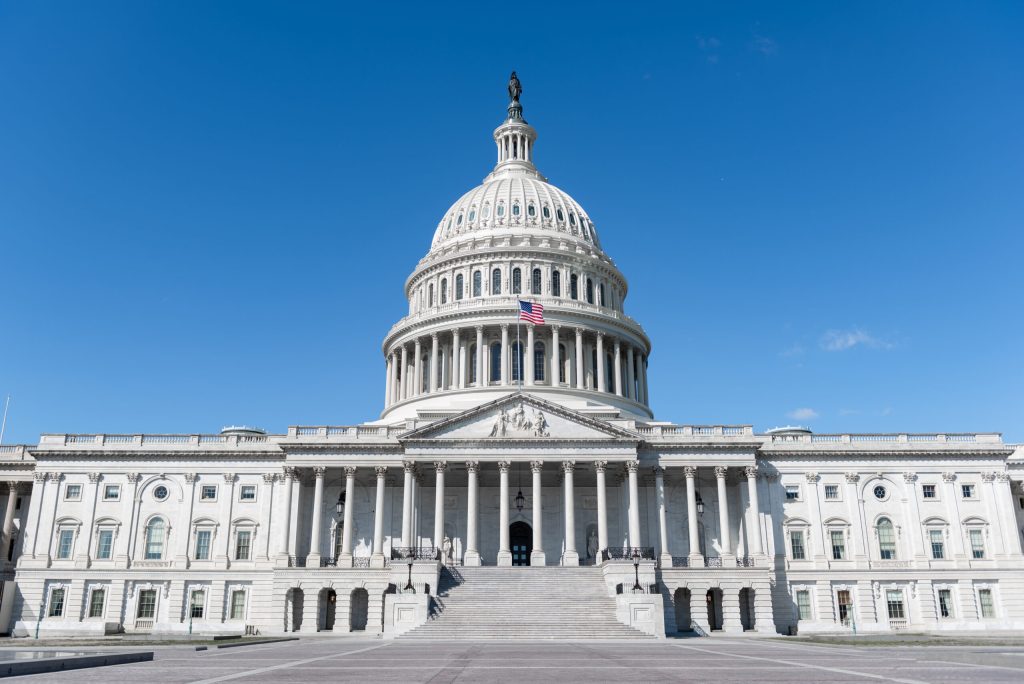
The insurance industry is actively advocating for the TRIA Program Reauthorization Act of 2026, aiming to secure the future of a crucial federal program. This initiative is vital for maintaining a safety net for terrorism risk, which was first established in late 2002 through the Terrorism Risk Insurance Act (TRIA). This legislation emerged in response to the insurance sector’s exclusion of terrorism risks from commercial property and casualty insurance policies following the devastating losses incurred during the September 11 attacks.
Currently, the House Financial Services Committee is reviewing the latest iteration of this bill, known as HR 7128. Sponsored by Mike Flood, R-Neb., and co-sponsored by Andrew Garbarino, R-N.Y., this bill seeks to extend the terrorism insurance program for an additional seven years.
TRIA has undergone several reauthorizations, with the most recent one occurring at the end of 2019. The program is set to expire again on December 31, 2027, making this reauthorization act critical for extending TRIA’s provisions through 2034.
“We appreciate that the committee is acting early in the process,” stated Sam Whitfield, the American Property Casualty Insurance Association (APCIA)’s senior vice president of federal government relations and political engagement. “By moving now, it helps prevent the uncertainty and confusion that would occur if Congress waited until 2027. We urge the committee to pass HR 7128 and look forward to working with lawmakers to perfect the bill as it moves through the legislative process.”
Related: Insurance Industry Reps Back Reauthorization of Federal Terrorism Backstop
Over the years, various changes to the program during past reauthorizations, along with increases in the insurance premium base, have effectively reduced the federal government’s exposure to terrorism risk. The current legislation mandates that insurers provide terrorism coverage, while also ensuring that if losses from a certified terrorism event exceed specific thresholds—namely, over $5 million in losses and $200 million in industry losses—the government will intervene to provide support.
Topics
Catastrophe
Natural Disasters
Was this article valuable?
Here are more articles you may enjoy.
Interested in Catastrophe?
Get automatic alerts for this topic.
The insurance industry is actively advocating for the TRIA Program Reauthorization Act of 2026, aiming to secure the future of a crucial federal program. This initiative is vital for maintaining a safety net for terrorism risk, which was first established in late 2002 through the Terrorism Risk Insurance Act (TRIA). This legislation emerged in response to the insurance sector’s exclusion of terrorism risks from commercial property and casualty insurance policies following the devastating losses incurred during the September 11 attacks.
Currently, the House Financial Services Committee is reviewing the latest iteration of this bill, known as HR 7128. Sponsored by Mike Flood, R-Neb., and co-sponsored by Andrew Garbarino, R-N.Y., this bill seeks to extend the terrorism insurance program for an additional seven years.
TRIA has undergone several reauthorizations, with the most recent one occurring at the end of 2019. The program is set to expire again on December 31, 2027, making this reauthorization act critical for extending TRIA’s provisions through 2034.
“We appreciate that the committee is acting early in the process,” stated Sam Whitfield, the American Property Casualty Insurance Association (APCIA)’s senior vice president of federal government relations and political engagement. “By moving now, it helps prevent the uncertainty and confusion that would occur if Congress waited until 2027. We urge the committee to pass HR 7128 and look forward to working with lawmakers to perfect the bill as it moves through the legislative process.”
Related: Insurance Industry Reps Back Reauthorization of Federal Terrorism Backstop
Over the years, various changes to the program during past reauthorizations, along with increases in the insurance premium base, have effectively reduced the federal government’s exposure to terrorism risk. The current legislation mandates that insurers provide terrorism coverage, while also ensuring that if losses from a certified terrorism event exceed specific thresholds—namely, over $5 million in losses and $200 million in industry losses—the government will intervene to provide support.
Topics
Catastrophe
Natural Disasters
Was this article valuable?
Here are more articles you may enjoy.
Interested in Catastrophe?
Get automatic alerts for this topic.