Iran-Venezuela Alliance at Risk Following Maduro’s Removal
Mike Sommers, American Petroleum Institute President & CEO, discusses the U.S. oil industry’s perspective on potential re-engagement in Venezuela on ‘Kudlow.’
Last week’s capture of Venezuelan president Nicolás Maduro revealed the dire situation in a country that possesses the largest proven oil reserves in the world, yet continues to face severe humanitarian crises. However, the issues extend beyond the alleged crimes of the former leader.
One significant aspect of Venezuela’s recent history is its alliance with the Islamic Republic of Iran. This regime, known for its antagonism towards the West, particularly the U.S., has been a crucial partner for Venezuela in recent years.
“Despite being the country with the largest reserves, Venezuela’s oil industry is no longer able to refine its own gasoline to fulfill its own needs,” stated Emanuele Ottolenghi, a senior research fellow at The Center for Research of Terror Financing, in an interview with FOX Business.
AFTER MADURO, VENEZUELA FACES HARD CHOICES TO REBUILD ITS SHATTERED ECONOMY
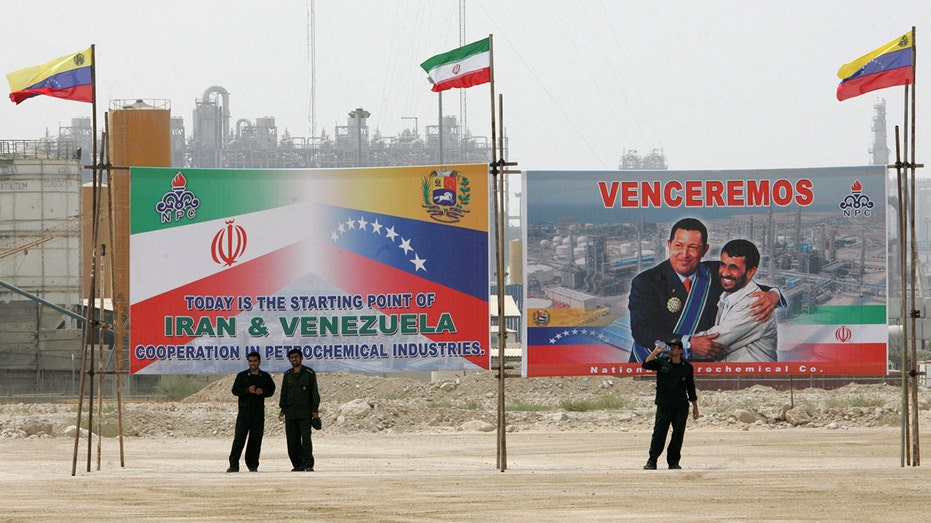
Iranian revolutionary guards secure the area during the inauguration ceremony of a joint petrochemical plant in the Asaluyeh industrial zone on the Gulf coast, 02 July 2007. Then Iranian President Mahmoud Ahmadinejad and his Venezuelan counterpart Hugo Chávez were present. (Atta Kenare/AFP via Getty Images / Getty Images)
In 2022, Iran entered into a 20-year agreement to assist Venezuela, which included revitalizing the country’s oil industry. “Iran brought oil extraction technology, expertise, and shipped in refined gasoline to help the country,” Ottolenghi explained.
This partnership makes sense for both nations, especially considering that Venezuela’s oil production plummeted from 2.6 million barrels per day in January 2016 to just 669,000 barrels per day by December 2022. Recently, production has rebounded to approximately 1.14 million barrels, despite increased U.S. sanctions from 2023 to 2025. Some of this output has reportedly benefited Iran, which gained access to Venezuelan refineries, according to Ellis.
Moreover, Iran’s involvement in Venezuela extends beyond oil. “While in Venezuela, Iranian operatives were involved in the assembly of military drones,” noted Evan Ellis, a Latin America Research Professor with the U.S. Army War College. “Additionally, Venezuela acquired Iranian-made fast attack boats armed with missiles, posing a threat to maritime security.”
Some members of Venezuela’s special naval forces have even received training in Iran for underwater combat, which could potentially be used for sabotage against oil rigs.
‘WE BUILT VENEZUELA’S OIL INDUSTRY:’ TRUMP VOWS US ENERGY RETURN AFTER MADURO’S CAPTURE
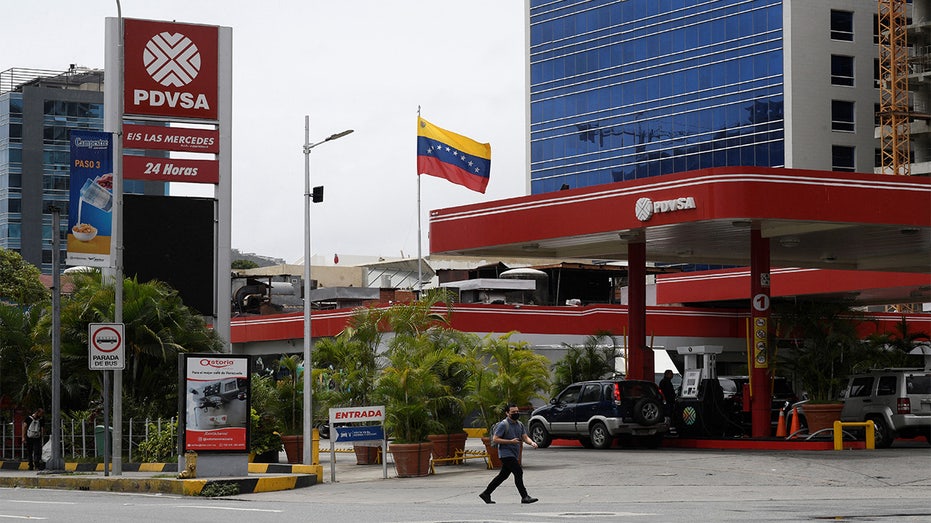
A person walks past a gas station of state oil company PDVSA, in Caracas, Venezuela March 16, 2022. (Gaby Oraa/Reuters / Reuters Photos)
“Venezuela has also been used as a base for propaganda across the region, including TV channels,” Ottolenghi remarked. “Iran has established a university in Caracas to propagate its ideology.”
Iran’s close relationship with the Venezuelan regime has facilitated access to Venezuelan passports for Iranians, allowing them greater mobility in the region. “I would argue that Venezuela has been one of Iran’s gateways to the region,” Ellis added.
As the situation unfolds, observers are left wondering what the future holds. Ottolenghi suggests that we must wait to see how local populations respond to the changes the U.S. is advocating.
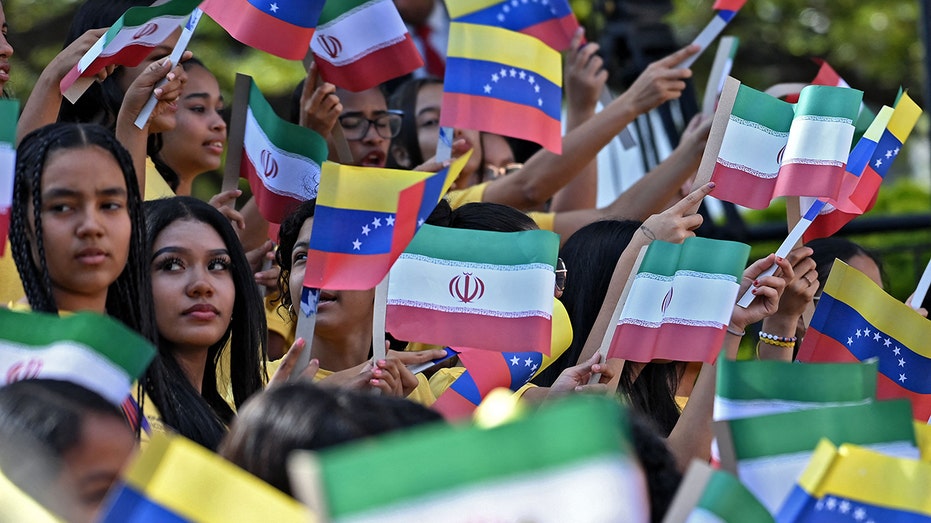
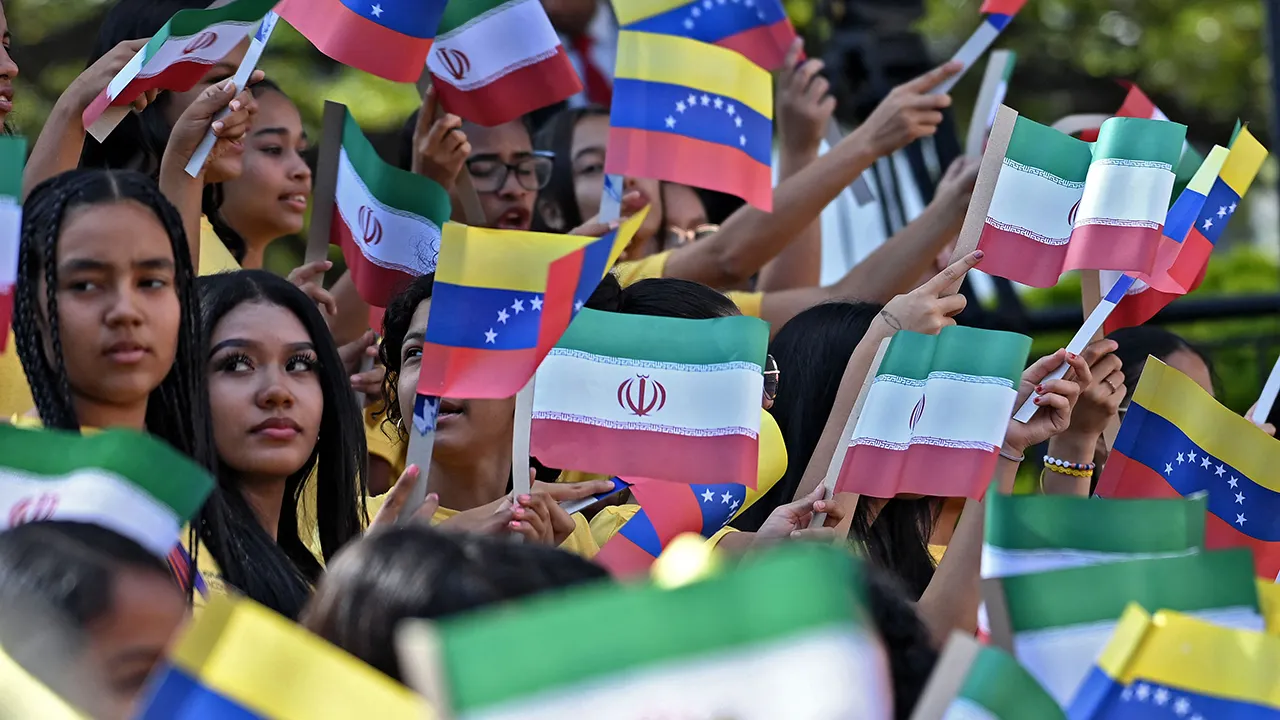
Young women wave the national flags of Venezuela and Iran during the arrival of former Iranian President Ebrahim Raisi at Miraflores Presidential Palace in Caracas, on June 12, 2023. (Yuri Cortez/AFP via Getty Images / Getty Images)
Ellis also notes that some groups may align with the new regime. “The Chavistas who expropriated property were not good people, but they may be inclined to cooperate with President Trump,” he suggests. The Chavistas, who originated under President Hugo Chávez and continued under Maduro, might seek to escape U.S. sanctions, leading to potential compliance.
CLICK HERE TO GET FOX BUSINESS ON THE GO
As a result, changes in Iran’s presence in Venezuela are likely. “We are going to see certain activities by Iran get curtailed,” Ellis predicts. “I foresee a significant reduction in the Iranian presence in Venezuela.”
Mike Sommers, American Petroleum Institute President & CEO, discusses the U.S. oil industry’s perspective on potential re-engagement in Venezuela on ‘Kudlow.’
Last week’s capture of Venezuelan president Nicolás Maduro revealed the dire situation in a country that possesses the largest proven oil reserves in the world, yet continues to face severe humanitarian crises. However, the issues extend beyond the alleged crimes of the former leader.
One significant aspect of Venezuela’s recent history is its alliance with the Islamic Republic of Iran. This regime, known for its antagonism towards the West, particularly the U.S., has been a crucial partner for Venezuela in recent years.
“Despite being the country with the largest reserves, Venezuela’s oil industry is no longer able to refine its own gasoline to fulfill its own needs,” stated Emanuele Ottolenghi, a senior research fellow at The Center for Research of Terror Financing, in an interview with FOX Business.
AFTER MADURO, VENEZUELA FACES HARD CHOICES TO REBUILD ITS SHATTERED ECONOMY
Iranian revolutionary guards secure the area during the inauguration ceremony of a joint petrochemical plant in the Asaluyeh industrial zone on the Gulf coast, 02 July 2007. Then Iranian President Mahmoud Ahmadinejad and his Venezuelan counterpart Hugo Chávez were present. (Atta Kenare/AFP via Getty Images / Getty Images)
In 2022, Iran entered into a 20-year agreement to assist Venezuela, which included revitalizing the country’s oil industry. “Iran brought oil extraction technology, expertise, and shipped in refined gasoline to help the country,” Ottolenghi explained.
This partnership makes sense for both nations, especially considering that Venezuela’s oil production plummeted from 2.6 million barrels per day in January 2016 to just 669,000 barrels per day by December 2022. Recently, production has rebounded to approximately 1.14 million barrels, despite increased U.S. sanctions from 2023 to 2025. Some of this output has reportedly benefited Iran, which gained access to Venezuelan refineries, according to Ellis.
Moreover, Iran’s involvement in Venezuela extends beyond oil. “While in Venezuela, Iranian operatives were involved in the assembly of military drones,” noted Evan Ellis, a Latin America Research Professor with the U.S. Army War College. “Additionally, Venezuela acquired Iranian-made fast attack boats armed with missiles, posing a threat to maritime security.”
Some members of Venezuela’s special naval forces have even received training in Iran for underwater combat, which could potentially be used for sabotage against oil rigs.
‘WE BUILT VENEZUELA’S OIL INDUSTRY:’ TRUMP VOWS US ENERGY RETURN AFTER MADURO’S CAPTURE
A person walks past a gas station of state oil company PDVSA, in Caracas, Venezuela March 16, 2022. (Gaby Oraa/Reuters / Reuters Photos)
“Venezuela has also been used as a base for propaganda across the region, including TV channels,” Ottolenghi remarked. “Iran has established a university in Caracas to propagate its ideology.”
Iran’s close relationship with the Venezuelan regime has facilitated access to Venezuelan passports for Iranians, allowing them greater mobility in the region. “I would argue that Venezuela has been one of Iran’s gateways to the region,” Ellis added.
As the situation unfolds, observers are left wondering what the future holds. Ottolenghi suggests that we must wait to see how local populations respond to the changes the U.S. is advocating.
Young women wave the national flags of Venezuela and Iran during the arrival of former Iranian President Ebrahim Raisi at Miraflores Presidential Palace in Caracas, on June 12, 2023. (Yuri Cortez/AFP via Getty Images / Getty Images)
Ellis also notes that some groups may align with the new regime. “The Chavistas who expropriated property were not good people, but they may be inclined to cooperate with President Trump,” he suggests. The Chavistas, who originated under President Hugo Chávez and continued under Maduro, might seek to escape U.S. sanctions, leading to potential compliance.
CLICK HERE TO GET FOX BUSINESS ON THE GO
As a result, changes in Iran’s presence in Venezuela are likely. “We are going to see certain activities by Iran get curtailed,” Ellis predicts. “I foresee a significant reduction in the Iranian presence in Venezuela.”