iRobot Co-Founder Attributes Bankruptcy to Misguided Resistance Against Amazon Merger
Check out what’s clicking on FoxBusiness.com.
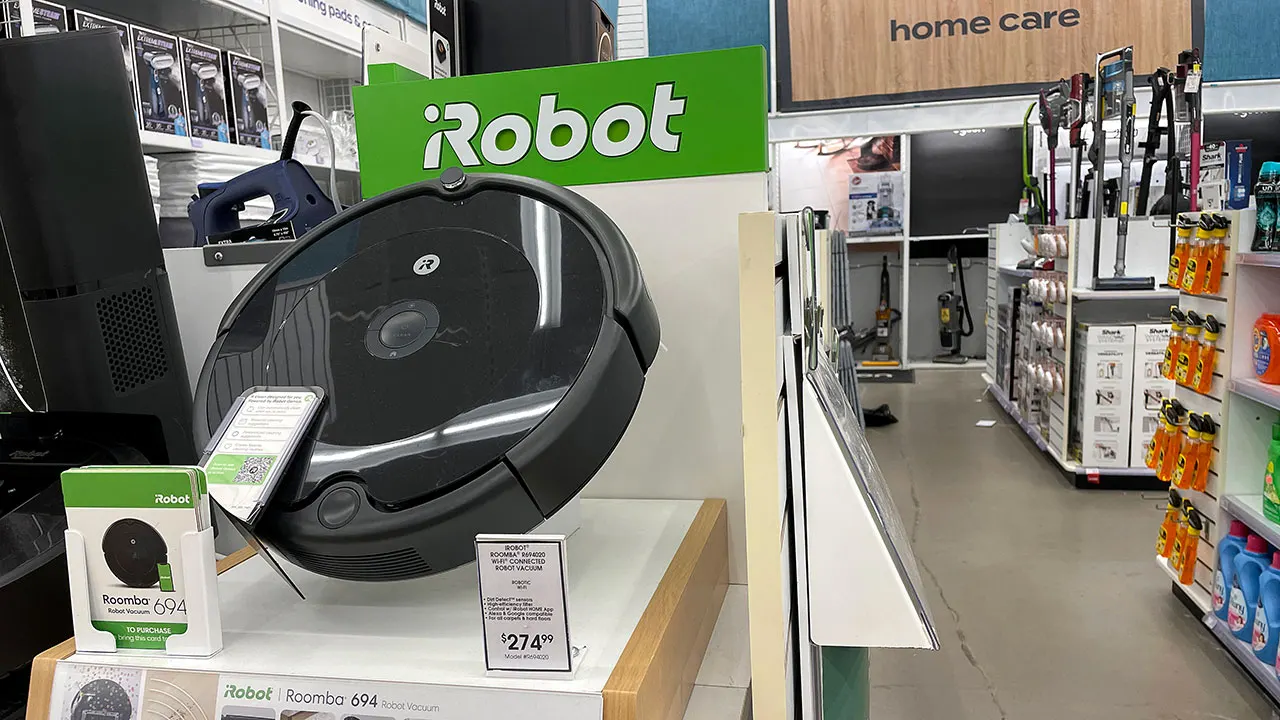
iRobot, the maker of the Roomba vacuum cleaner, has filed for bankruptcy protection as it seeks a buyout from its primary manufacturer in China. This move comes after Amazon’s acquisition of the company was blocked over a year ago due to antitrust concerns.
In March, iRobot expressed worries about its viability, leading to its Chapter 11 bankruptcy filing in a Delaware court. The company is now planning to go private following its acquisition by Picea Robotics, a Chinese firm that has been its main manufacturer. This decision is largely driven by increasing competition from lower-priced rivals and the impact of new U.S. tariffs.
The bankruptcy filing follows the termination of iRobot’s proposed $1.4 billion acquisition by Amazon, which was abandoned in January 2024 amid an investigation by the Federal Trade Commission (FTC) and European regulators. The FTC’s scrutiny focused on whether Amazon would favor its own products over competitors.
Colin Angle, co-founder and former CEO of iRobot, expressed his disappointment with the FTC’s decision, stating it was “wrong-minded” and detrimental in hindsight. In an interview with FOX Business, he remarked, “I bet if you asked almost anyone prior to the blocking of the deal with iRobot: Would you rather see iRobot innovating like crazy, or would you like to see it file for Chapter 11?”
AMAZON TERMINATES IROBOT ACQUISITION DUE TO REGULATORY HURDLES
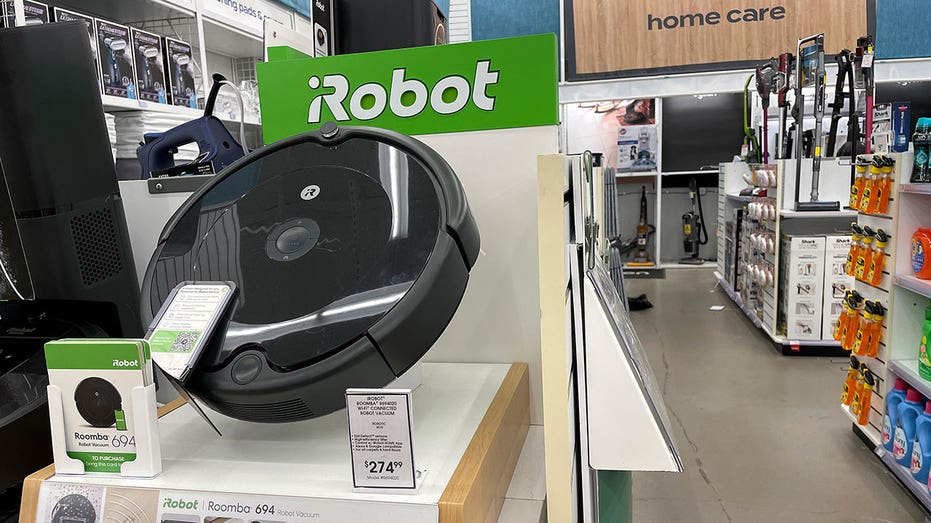
iRobot is the manufacturer of Roomba and other consumer robotics products. (Justin Sullivan / Getty Images)
Angle emphasized the importance of innovation, stating, “America has no divine right to own and lead the industries it begins, only a head start.” He pointed out that the U.S. must consider its regulatory approach to emerging businesses, especially in rapidly evolving sectors like drones and electric vehicles.
ROOMBA MAKER SAYS ‘SUBSTANTIAL DOUBT’ ABOUT FUTURE OF COMPANY
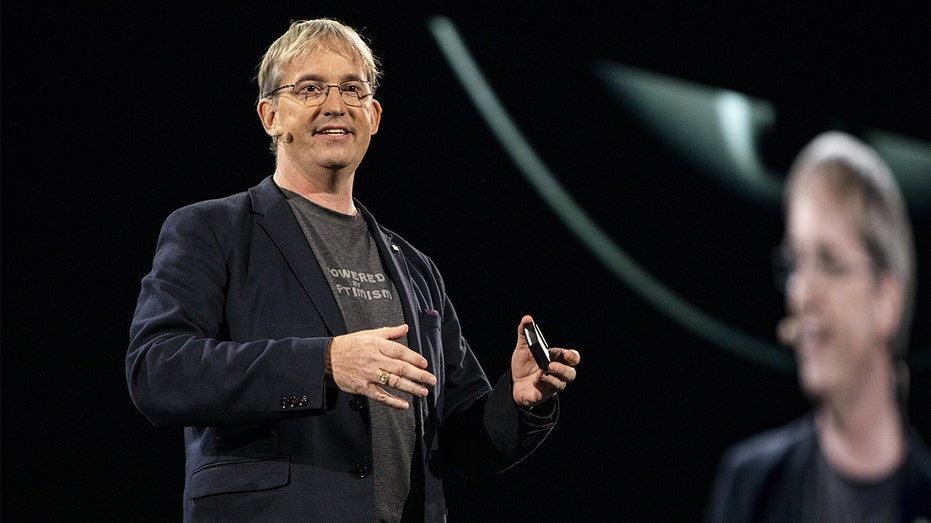
Colin Angle was with iRobot for 33 years after he and his colleagues founded it while he was attending MIT. (Joe Buglewicz/Bloomberg via Getty Images)
Angle raised critical questions about the future of U.S. entrepreneurship, stating, “Are we going to catalyze success and build it within our borders, or do we resent the success of those we know?” He warned that the FTC’s blocking of mergers and acquisitions for non-antitrust reasons could discourage innovation and deter entrepreneurs from launching new ventures.
AMAZON ROBOTICS CHIEF: ‘I WANT TO ELIMINATE EVERY MENIAL, MUNDANE JOB’ AS AI RESHAPES WAREHOUSE WORK
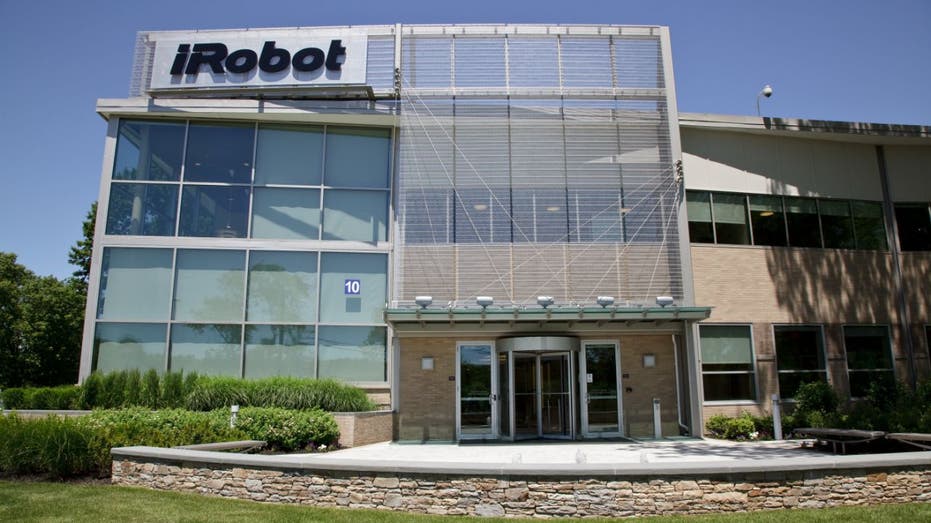
iRobot was founded in Massachusetts, with its headquarters in Bedford. (James Leynse/Corbis via Getty Images)
Angle concluded by stating that the bankruptcy of iRobot serves as a cautionary tale about the consequences of regulatory decisions that do not prioritize the strengthening of the U.S. economy and consumer protection. The recent surge in investment in artificial intelligence (AI) presents regulators with a critical choice: to facilitate growth or inhibit it.
GET FOX BUSINESS ON THE GO BY CLICKING HERE
He urged that the U.S. must avoid creating a regulatory environment that discourages entrepreneurship and innovation, as the tech economy is highly mobile and can easily shift elsewhere.
Reuters contributed to this report.
Check out what’s clicking on FoxBusiness.com.
iRobot, the maker of the Roomba vacuum cleaner, has filed for bankruptcy protection as it seeks a buyout from its primary manufacturer in China. This move comes after Amazon’s acquisition of the company was blocked over a year ago due to antitrust concerns.
In March, iRobot expressed worries about its viability, leading to its Chapter 11 bankruptcy filing in a Delaware court. The company is now planning to go private following its acquisition by Picea Robotics, a Chinese firm that has been its main manufacturer. This decision is largely driven by increasing competition from lower-priced rivals and the impact of new U.S. tariffs.
The bankruptcy filing follows the termination of iRobot’s proposed $1.4 billion acquisition by Amazon, which was abandoned in January 2024 amid an investigation by the Federal Trade Commission (FTC) and European regulators. The FTC’s scrutiny focused on whether Amazon would favor its own products over competitors.
Colin Angle, co-founder and former CEO of iRobot, expressed his disappointment with the FTC’s decision, stating it was “wrong-minded” and detrimental in hindsight. In an interview with FOX Business, he remarked, “I bet if you asked almost anyone prior to the blocking of the deal with iRobot: Would you rather see iRobot innovating like crazy, or would you like to see it file for Chapter 11?”
AMAZON TERMINATES IROBOT ACQUISITION DUE TO REGULATORY HURDLES
iRobot is the manufacturer of Roomba and other consumer robotics products. (Justin Sullivan / Getty Images)
Angle emphasized the importance of innovation, stating, “America has no divine right to own and lead the industries it begins, only a head start.” He pointed out that the U.S. must consider its regulatory approach to emerging businesses, especially in rapidly evolving sectors like drones and electric vehicles.
ROOMBA MAKER SAYS ‘SUBSTANTIAL DOUBT’ ABOUT FUTURE OF COMPANY
Colin Angle was with iRobot for 33 years after he and his colleagues founded it while he was attending MIT. (Joe Buglewicz/Bloomberg via Getty Images)
Angle raised critical questions about the future of U.S. entrepreneurship, stating, “Are we going to catalyze success and build it within our borders, or do we resent the success of those we know?” He warned that the FTC’s blocking of mergers and acquisitions for non-antitrust reasons could discourage innovation and deter entrepreneurs from launching new ventures.
AMAZON ROBOTICS CHIEF: ‘I WANT TO ELIMINATE EVERY MENIAL, MUNDANE JOB’ AS AI RESHAPES WAREHOUSE WORK
iRobot was founded in Massachusetts, with its headquarters in Bedford. (James Leynse/Corbis via Getty Images)
Angle concluded by stating that the bankruptcy of iRobot serves as a cautionary tale about the consequences of regulatory decisions that do not prioritize the strengthening of the U.S. economy and consumer protection. The recent surge in investment in artificial intelligence (AI) presents regulators with a critical choice: to facilitate growth or inhibit it.
GET FOX BUSINESS ON THE GO BY CLICKING HERE
He urged that the U.S. must avoid creating a regulatory environment that discourages entrepreneurship and innovation, as the tech economy is highly mobile and can easily shift elsewhere.
Reuters contributed to this report.