Larry Kudlow Explores Trump’s Freedom Corollary to the Monroe Doctrine
In a significant move, President Trump has updated the Monroe Doctrine, presenting a compelling legal case and executing a decisive military action against Venezuela’s communist leader, Nicolás Maduro, and his wife. This action is a pivotal step toward restoring freedom in the region, and Mr. Trump’s mission is both noble and necessary.
When asked by a reporter whether Operation Absolute Resolve was primarily about oil or regime change, the president responded, “It’s about peace on Earth.” The reporter pressed further, inquiring how this relates to peace. Mr. Trump elaborated, stating, “You’ve got to have peace. It’s our hemisphere. The Monroe Doctrine was very important when it was enacted. Many presidents lost sight of it, but I didn’t. It really is about peace on Earth.” This perspective encapsulates the essence of his mission.
From my viewpoint, this action marks a historic turning point, not just for the Western Hemisphere but for Europe, the Middle East, and Asia as well. Mr. Trump is demonstrating America’s remarkable strength. He is a straightforward, common-sense leader who articulates his beliefs and takes decisive action. There is no place for communism, war, or narco-terrorism in our hemisphere. Maduro was warned, ignored the warnings, and ultimately faced the consequences.
Similar to previous military actions, such as the bombing of Iranian nuclear facilities and the elimination of key terrorist figures like Al-Baghdadi and Soleimani, Mr. Trump has once again taken decisive action after issuing warnings. This approach is a testament to his commitment to changing history for the better, reinforcing America’s strength, and addressing the failures of the Biden administration, particularly in Afghanistan.
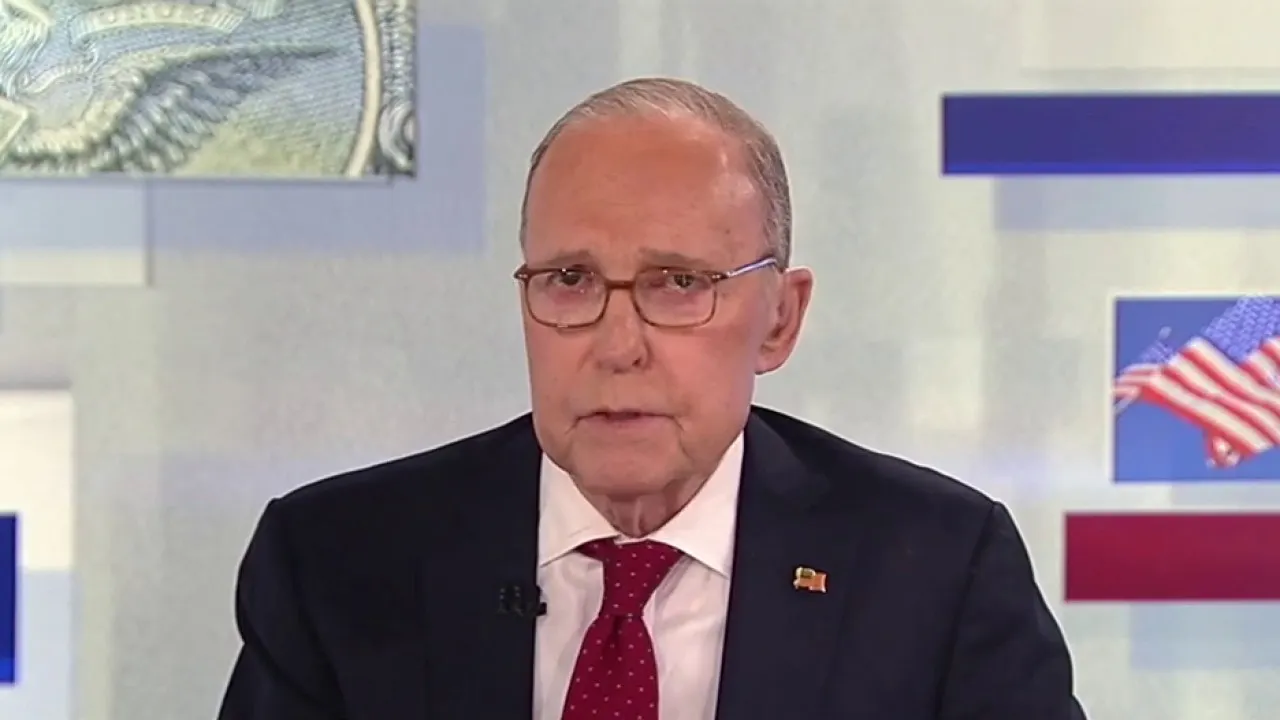
Former National Security advisor Robert O’Brien weighs in on the future of Venezuela after the capture of President Nicolás Maduro on ‘Kudlow.’
For context, President Monroe, in his seventh annual message to Congress on December 2, 1823, issued a clear warning to European powers against further colonization or the establishment of puppet monarchs in the Americas. The Monroe Doctrine has endured through the years, invoked by numerous American presidents.
Notably, Theodore Roosevelt applied it in the Dominican Republic in 1904, Nicaragua in 1911, and Haiti in 1915. John F. Kennedy invoked it during the Cuban missile crisis in 1962, while President George H.W. Bush used it in Panama in 1990 to oust Manuel Noriega. However, subsequent presidents have appeared to waver in the face of infiltration and colonization attempts by adversaries such as China, Russia, Cuba, Iran, and Hezbollah.
Recently, these adversaries have coalesced in Venezuela, where the Cuban military and secret police have effectively taken control of the government and much of the country. Venezuela has suffered a staggering loss of three-quarters of its economy and a significant decline in oil production. Yet, Hugo Chavez and his successor, Maduro, have shown little concern for the devastation inflicted upon their people.
The tipping point for Mr. Trump was the rampant narco-terrorism and cocaine exportation. Consequently, he initiated a legal action supported by formidable military force to halt the decline in Venezuela. This action is expected to have far-reaching implications for Colombia, Brazil, Cuba, and potentially beyond. While democratizing Venezuela may prove challenging, Mr. Trump has indicated he will take whatever measures are necessary to eradicate the drug-infested communist strongholds in our vicinity, ensuring that the arc of history aligns with American values of freedom and prosperity for all.
In a significant move, President Trump has updated the Monroe Doctrine, presenting a compelling legal case and executing a decisive military action against Venezuela’s communist leader, Nicolás Maduro, and his wife. This action is a pivotal step toward restoring freedom in the region, and Mr. Trump’s mission is both noble and necessary.
When asked by a reporter whether Operation Absolute Resolve was primarily about oil or regime change, the president responded, “It’s about peace on Earth.” The reporter pressed further, inquiring how this relates to peace. Mr. Trump elaborated, stating, “You’ve got to have peace. It’s our hemisphere. The Monroe Doctrine was very important when it was enacted. Many presidents lost sight of it, but I didn’t. It really is about peace on Earth.” This perspective encapsulates the essence of his mission.
From my viewpoint, this action marks a historic turning point, not just for the Western Hemisphere but for Europe, the Middle East, and Asia as well. Mr. Trump is demonstrating America’s remarkable strength. He is a straightforward, common-sense leader who articulates his beliefs and takes decisive action. There is no place for communism, war, or narco-terrorism in our hemisphere. Maduro was warned, ignored the warnings, and ultimately faced the consequences.
Similar to previous military actions, such as the bombing of Iranian nuclear facilities and the elimination of key terrorist figures like Al-Baghdadi and Soleimani, Mr. Trump has once again taken decisive action after issuing warnings. This approach is a testament to his commitment to changing history for the better, reinforcing America’s strength, and addressing the failures of the Biden administration, particularly in Afghanistan.
Former National Security advisor Robert O’Brien weighs in on the future of Venezuela after the capture of President Nicolás Maduro on ‘Kudlow.’
For context, President Monroe, in his seventh annual message to Congress on December 2, 1823, issued a clear warning to European powers against further colonization or the establishment of puppet monarchs in the Americas. The Monroe Doctrine has endured through the years, invoked by numerous American presidents.
Notably, Theodore Roosevelt applied it in the Dominican Republic in 1904, Nicaragua in 1911, and Haiti in 1915. John F. Kennedy invoked it during the Cuban missile crisis in 1962, while President George H.W. Bush used it in Panama in 1990 to oust Manuel Noriega. However, subsequent presidents have appeared to waver in the face of infiltration and colonization attempts by adversaries such as China, Russia, Cuba, Iran, and Hezbollah.
Recently, these adversaries have coalesced in Venezuela, where the Cuban military and secret police have effectively taken control of the government and much of the country. Venezuela has suffered a staggering loss of three-quarters of its economy and a significant decline in oil production. Yet, Hugo Chavez and his successor, Maduro, have shown little concern for the devastation inflicted upon their people.
The tipping point for Mr. Trump was the rampant narco-terrorism and cocaine exportation. Consequently, he initiated a legal action supported by formidable military force to halt the decline in Venezuela. This action is expected to have far-reaching implications for Colombia, Brazil, Cuba, and potentially beyond. While democratizing Venezuela may prove challenging, Mr. Trump has indicated he will take whatever measures are necessary to eradicate the drug-infested communist strongholds in our vicinity, ensuring that the arc of history aligns with American values of freedom and prosperity for all.