Margaret Murphy-Webb’s Jazz Journey – Senior Planet from AARP
“Butt switching, finger-snapping music.”
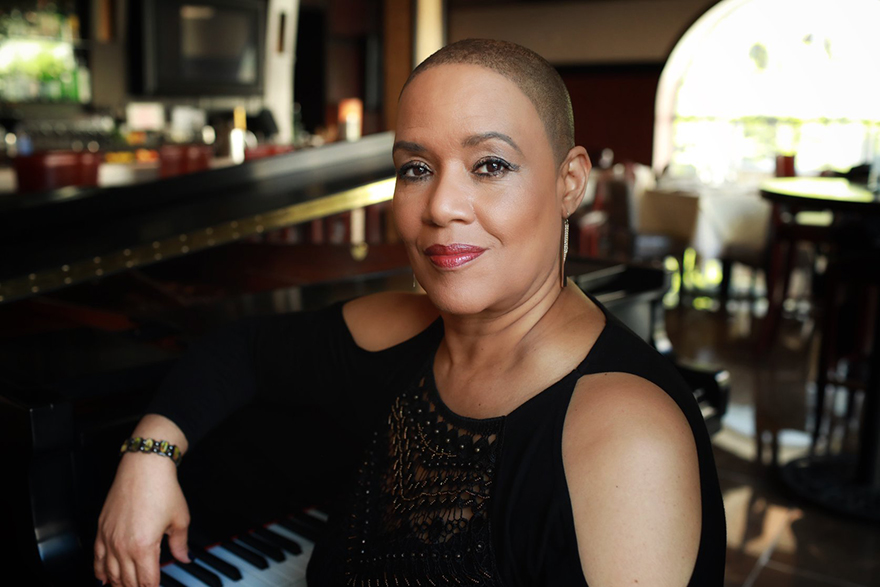
That’s how Margaret Murphy-Webb’s mother described secular music in their Seventh Day Adventist household. Margaret joined the Chicago police force in 1994 but left after suffering a knee injury while responding to a potential suicide call. Following her departure, she embraced her passion for music, becoming a full-time jazz singer and founding the South Side Jazz Coalition in 2015.
Now, at 69, Margaret, known as Chicago’s “jazz cop,” brings free music to underserved communities, demonstrating that sometimes the paths we’re not meant to take lead us exactly where we need to be.
Your jazz journey began in your father’s record store, listening to Carmen McRae. Tell us about those early moments.
Growing up as a Seventh-day Adventist, I wasn’t allowed to listen to secular music. However, in my dad’s shop, I would listen to Carmen McRae and Cleo Laine on repeat. Their voices captivated me.
In my church, everything revolved around harmony, but there was no gospel music. This gave me a strong foundation in harmony and tuned my ear to the nuances of singing. Jazz has always resonated with me. I realized my voice was suited for it—I could never be Aretha Franklin because I’m not a belter. I fell in love with what I could do.
Do you believe that being in good health shapes longevity as a singer?
Absolutely. My mom lived to 88, walking two miles a day, and my dad reached about 102. I tell people to prioritize their health because seniors are living longer. It’s essential to watch what you eat and exercise—you don’t want to end up in a nursing home. I work out with a community of seniors, and one lady, who’s 78, looks amazing. You don’t have to be broken down.
How did you balance being a Chicago police officer with your jazz career?
I was known as the “jazz cop.” Music is a powerful communicator that brings people together. I was a professional singer before joining the police force, so I integrated that into my work. I organized concerts in the park, offered piano lessons at a school on my beat that lacked a music program, and started an after-school choir. Music became part of my ministry as a police officer, allowing me to connect with the community.
On my beat at Sheridan and Broadway, which had the largest homeless population in the city, I would sing at the funerals of those who passed away. Music provided me with a softer touch.
What led you to found the South Side Jazz Coalition in 2015?
When Von Freeman, who held weekly jazz sessions, fell ill, he urged me to keep the tradition alive. After his passing in 2012, I started sessions at the 50 Yard Line, but the owner claimed they weren’t profitable. That’s when I decided to establish the South Side Jazz Coalition.
Moving to the South Side was a culture shock—there were no grocery stores, and you had to drive to find fresh fruit. I believe the arts should be accessible to everyone. Every community deserves free access to music, dance, and other art forms. Von often said that sometimes people can’t afford the $10 cover charge to hear music. At our sessions, entry is free, and we offer a $5 holler—a complete meal for just $5.
Who are your greatest musical inspirations?
Sherry Scott is my she-ro. She was the original singer for Earth, Wind & Fire before they decided to go without a female vocalist. When I was a young singer, she advised me, “You need more than a pretty face and beautiful voice; you must entertain. Tell a story and engage your audience.” That was the best advice I ever received.
My she-roes are incredible Chicago women who often go unrecognized: Paula Greer, Donna Swope, Charlotte Foster, and Teddy Thomas. These amazing performers still refer to me as “the baby,” even as I approach 70!
What does “aging with attitude” mean to you?
There’s nothing you can’t overcome. As a breast cancer survivor, I know that positive energy and the determination to prevail are crucial. I live my life in moments. I understand that a bad moment can change in an hour or even tomorrow.
I tell my grandkids: if there’s something you truly want, go for it. If you don’t achieve it, pursue something else—it simply wasn’t meant for you. It’s always a lesson, never a mistake.
Photo by Sara Shoman
 NaBeela Washington, an emerging Black writer, holds a Master’s in Creative Writing and English from Southern New Hampshire University and a Bachelor’s in Visual Advertising from The University of Alabama at Birmingham. She has been published in Eater, The Cincinnati Review, and others. Learn more at nabeelawashington.com
“Butt switching, finger-snapping music.”
That’s how Margaret Murphy-Webb’s mother described secular music in their Seventh Day Adventist household. Margaret joined the Chicago police force in 1994 but left after suffering a knee injury while responding to a potential suicide call. Following her departure, she embraced her passion for music, becoming a full-time jazz singer and founding the South Side Jazz Coalition in 2015.
Now, at 69, Margaret, known as Chicago’s “jazz cop,” brings free music to underserved communities, demonstrating that sometimes the paths we’re not meant to take lead us exactly where we need to be.
Your jazz journey began in your father’s record store, listening to Carmen McRae. Tell us about those early moments.
Growing up as a Seventh-day Adventist, I wasn’t allowed to listen to secular music. However, in my dad’s shop, I would listen to Carmen McRae and Cleo Laine on repeat. Their voices captivated me.
In my church, everything revolved around harmony, but there was no gospel music. This gave me a strong foundation in harmony and tuned my ear to the nuances of singing. Jazz has always resonated with me. I realized my voice was suited for it—I could never be Aretha Franklin because I’m not a belter. I fell in love with what I could do.
Do you believe that being in good health shapes longevity as a singer?
Absolutely. My mom lived to 88, walking two miles a day, and my dad reached about 102. I tell people to prioritize their health because seniors are living longer. It’s essential to watch what you eat and exercise—you don’t want to end up in a nursing home. I work out with a community of seniors, and one lady, who’s 78, looks amazing. You don’t have to be broken down.
How did you balance being a Chicago police officer with your jazz career?
I was known as the “jazz cop.” Music is a powerful communicator that brings people together. I was a professional singer before joining the police force, so I integrated that into my work. I organized concerts in the park, offered piano lessons at a school on my beat that lacked a music program, and started an after-school choir. Music became part of my ministry as a police officer, allowing me to connect with the community.
On my beat at Sheridan and Broadway, which had the largest homeless population in the city, I would sing at the funerals of those who passed away. Music provided me with a softer touch.
What led you to found the South Side Jazz Coalition in 2015?
When Von Freeman, who held weekly jazz sessions, fell ill, he urged me to keep the tradition alive. After his passing in 2012, I started sessions at the 50 Yard Line, but the owner claimed they weren’t profitable. That’s when I decided to establish the South Side Jazz Coalition.
Moving to the South Side was a culture shock—there were no grocery stores, and you had to drive to find fresh fruit. I believe the arts should be accessible to everyone. Every community deserves free access to music, dance, and other art forms. Von often said that sometimes people can’t afford the $10 cover charge to hear music. At our sessions, entry is free, and we offer a $5 holler—a complete meal for just $5.
Who are your greatest musical inspirations?
Sherry Scott is my she-ro. She was the original singer for Earth, Wind & Fire before they decided to go without a female vocalist. When I was a young singer, she advised me, “You need more than a pretty face and beautiful voice; you must entertain. Tell a story and engage your audience.” That was the best advice I ever received.
My she-roes are incredible Chicago women who often go unrecognized: Paula Greer, Donna Swope, Charlotte Foster, and Teddy Thomas. These amazing performers still refer to me as “the baby,” even as I approach 70!
What does “aging with attitude” mean to you?
There’s nothing you can’t overcome. As a breast cancer survivor, I know that positive energy and the determination to prevail are crucial. I live my life in moments. I understand that a bad moment can change in an hour or even tomorrow.
I tell my grandkids: if there’s something you truly want, go for it. If you don’t achieve it, pursue something else—it simply wasn’t meant for you. It’s always a lesson, never a mistake.
Photo by Sara Shoman
NaBeela Washington, an emerging Black writer, holds a Master’s in Creative Writing and English from Southern New Hampshire University and a Bachelor’s in Visual Advertising from The University of Alabama at Birmingham. She has been published in Eater, The Cincinnati Review, and others. Learn more at nabeelawashington.com