Medicare Chooses Botox and Trulicity for Latest Round of Price Negotiations
Johnson & Johnson executive vice president and CFO Joseph Wolk discusses the company’s performance and President Donald Trump’s healthcare agenda on ‘The Claman Countdown.’
In a significant move, Botox and the GLP-1 drug Trulicity are now part of the latest group of prescription drugs that will be subject to price controls by Medicare.
The Centers for Medicare & Medicaid Services (CMS), the federal agency overseeing Medicare, has identified 15 high-cost prescription drugs for government price negotiations. Notably, this marks the first time that the list includes drugs administered in doctors’ offices, expanding beyond those typically picked up at pharmacies.
Negotiations with the participating drug companies are set to commence in 2026, with any agreed-upon prices taking effect in January 2028. While companies have the option to opt out of these negotiations, the financial implications of doing so are severe, as they would incur a hefty federal excise tax, making the choice to abstain from negotiations financially impractical.
TRUMP TAKES AIM AT PRESCRIPTION DRUG ‘MIDDLEMEN’ WITH NEW HEALTHCARE PLAN
Under the Inflation Reduction Act (IRA), enacted in 2022, Medicare was empowered to set lower prices for certain high-cost drugs covered by the program.

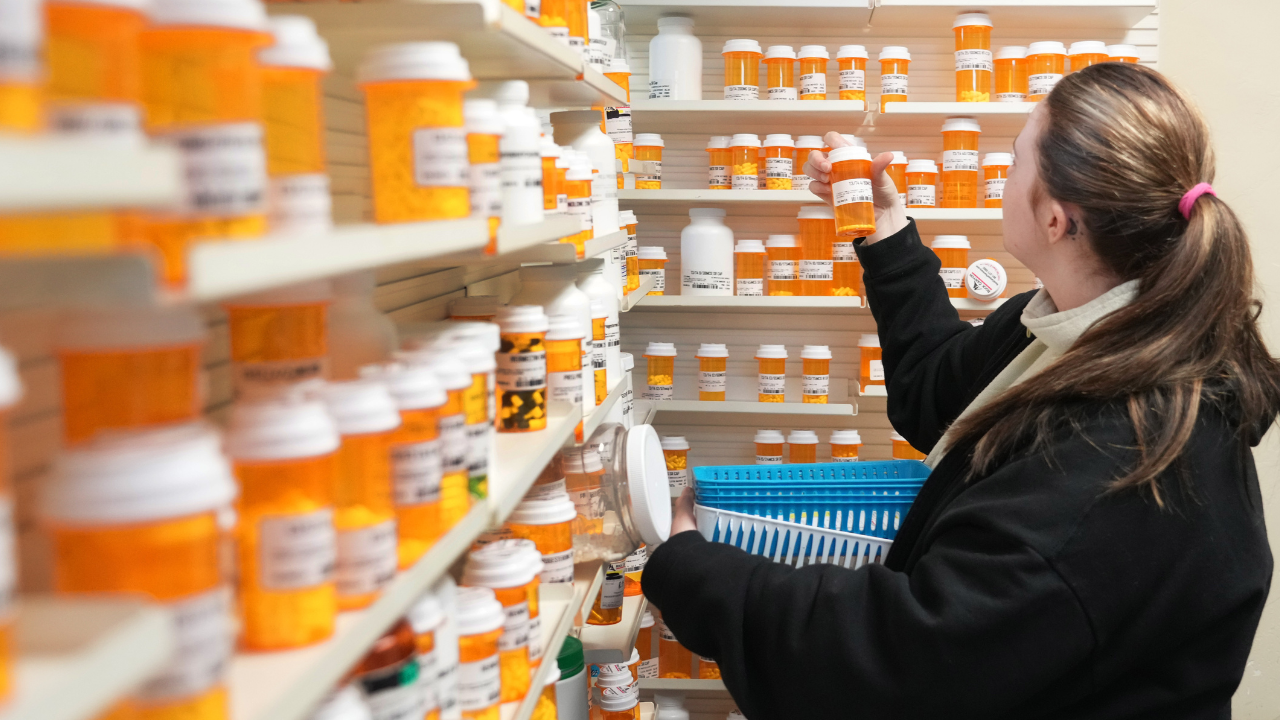
Negotiations with participating drug companies will take place in 2026. (George Frey/Bloomberg via Getty Images)
While the IRA uses the term “negotiation,” the legislation allows CMS to set a “maximum fair price” for a drug. If a pharmaceutical company does not agree to this price, they will incur a daily excise tax on every drug sold above the “maximum fair price.”
This initiative has drawn criticism from drug manufacturers. For instance, Novo Nordisk expressed its opposition to government price setting through the IRA, voicing concerns about how the law is being implemented, particularly regarding the aggregation of multiple products that individually would not meet the statute’s requirements.
TRUMP SAYS DRUG PRICES WILL BE CUT BY AS MUCH AS 90%: WHAT TO KNOW
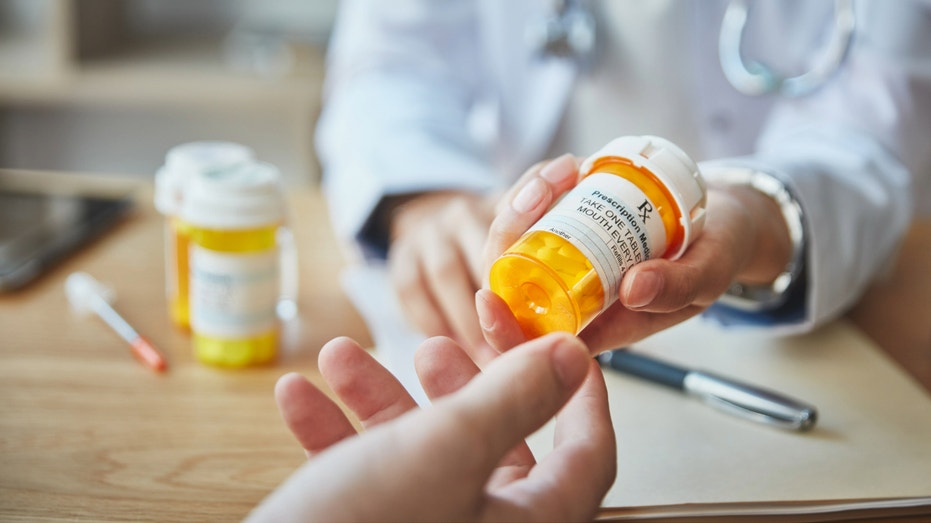
The Centers for Medicare & Medicaid Services has selected 15 high-cost prescription drugs for government price negotiations. (Getty Images)
During the previous negotiation cycle, announced in January 2025, CMS released a list of 15 high-cost Medicare Part D drugs selected for price negotiations. The negotiated prices are set to take effect in January 2027. If these prices had been in place in 2024, Medicare would have saved an estimated $8.5 billion in net covered prescription drug costs, translating to a 36% reduction in total net spending.
CMS Administrator Dr. Mehmet Oz stated that “seniors and taxpayers have paid the price for skyrocketing prescription drug costs” for too long. He emphasized that the agency is “taking strong action to target the most expensive drugs in Medicare, negotiate fair prices, and ensure the system works for patients—not special interests.”
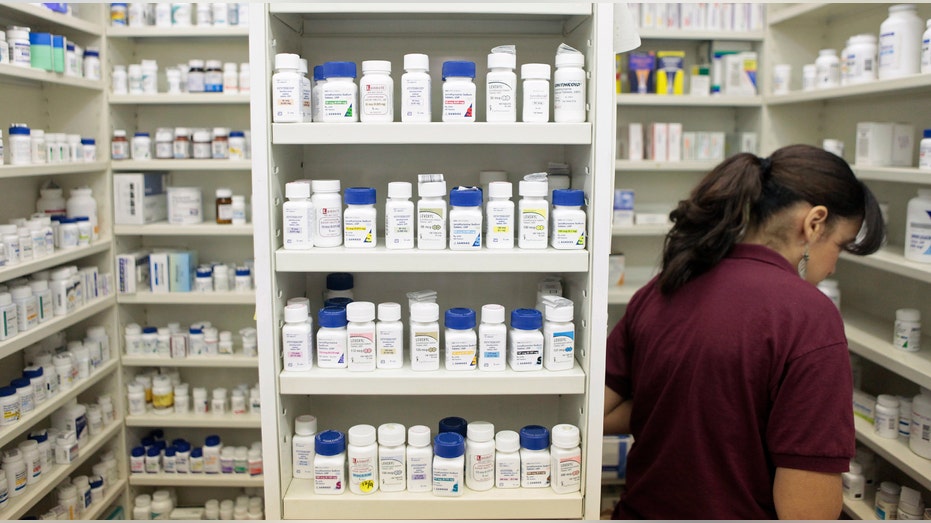
Botox and the GLP-1 drug Trulicity are among the latest group of prescription drugs subject to price controls by Medicare. (Lucas Jackson/Reuters)
CMS is also publishing a list of 50 drugs that incur the highest costs for Medicare. For the third round of negotiations, CMS has selected the 15 most expensive drugs from this overall list.
TRUMP SIGNS EXECUTIVE ORDER AIMED AT BOOSTING US PRESCRIPTION DRUG MANUFACTURING
Drug companies have until February 28, 2026, to comply with these regulations or face significant tax penalties.
The selected drugs for the third cycle of negotiations include:
- Anoro Ellipta
- Biktarvy
- Botox; Botox Cosmetic
- Cimzia
- Cosentyx
- Entyvio
- Erleada
- Kisqali
- Lenvima
- Orencia
- Rexulti
- Trulicity
- Verzenio
- Xeljanz; Xeljanz XR
- Xolair
GET FOX BUSINESS ON THE GO BY CLICKING HERE
The selected drug for renegotiation is:
Johnson & Johnson executive vice president and CFO Joseph Wolk discusses the company’s performance and President Donald Trump’s healthcare agenda on ‘The Claman Countdown.’
In a significant move, Botox and the GLP-1 drug Trulicity are now part of the latest group of prescription drugs that will be subject to price controls by Medicare.
The Centers for Medicare & Medicaid Services (CMS), the federal agency overseeing Medicare, has identified 15 high-cost prescription drugs for government price negotiations. Notably, this marks the first time that the list includes drugs administered in doctors’ offices, expanding beyond those typically picked up at pharmacies.
Negotiations with the participating drug companies are set to commence in 2026, with any agreed-upon prices taking effect in January 2028. While companies have the option to opt out of these negotiations, the financial implications of doing so are severe, as they would incur a hefty federal excise tax, making the choice to abstain from negotiations financially impractical.
TRUMP TAKES AIM AT PRESCRIPTION DRUG ‘MIDDLEMEN’ WITH NEW HEALTHCARE PLAN
Under the Inflation Reduction Act (IRA), enacted in 2022, Medicare was empowered to set lower prices for certain high-cost drugs covered by the program.
Negotiations with participating drug companies will take place in 2026. (George Frey/Bloomberg via Getty Images)
While the IRA uses the term “negotiation,” the legislation allows CMS to set a “maximum fair price” for a drug. If a pharmaceutical company does not agree to this price, they will incur a daily excise tax on every drug sold above the “maximum fair price.”
This initiative has drawn criticism from drug manufacturers. For instance, Novo Nordisk expressed its opposition to government price setting through the IRA, voicing concerns about how the law is being implemented, particularly regarding the aggregation of multiple products that individually would not meet the statute’s requirements.
TRUMP SAYS DRUG PRICES WILL BE CUT BY AS MUCH AS 90%: WHAT TO KNOW
The Centers for Medicare & Medicaid Services has selected 15 high-cost prescription drugs for government price negotiations. (Getty Images)
During the previous negotiation cycle, announced in January 2025, CMS released a list of 15 high-cost Medicare Part D drugs selected for price negotiations. The negotiated prices are set to take effect in January 2027. If these prices had been in place in 2024, Medicare would have saved an estimated $8.5 billion in net covered prescription drug costs, translating to a 36% reduction in total net spending.
CMS Administrator Dr. Mehmet Oz stated that “seniors and taxpayers have paid the price for skyrocketing prescription drug costs” for too long. He emphasized that the agency is “taking strong action to target the most expensive drugs in Medicare, negotiate fair prices, and ensure the system works for patients—not special interests.”
Botox and the GLP-1 drug Trulicity are among the latest group of prescription drugs subject to price controls by Medicare. (Lucas Jackson/Reuters)
CMS is also publishing a list of 50 drugs that incur the highest costs for Medicare. For the third round of negotiations, CMS has selected the 15 most expensive drugs from this overall list.
TRUMP SIGNS EXECUTIVE ORDER AIMED AT BOOSTING US PRESCRIPTION DRUG MANUFACTURING
Drug companies have until February 28, 2026, to comply with these regulations or face significant tax penalties.
The selected drugs for the third cycle of negotiations include:
- Anoro Ellipta
- Biktarvy
- Botox; Botox Cosmetic
- Cimzia
- Cosentyx
- Entyvio
- Erleada
- Kisqali
- Lenvima
- Orencia
- Rexulti
- Trulicity
- Verzenio
- Xeljanz; Xeljanz XR
- Xolair
GET FOX BUSINESS ON THE GO BY CLICKING HERE
The selected drug for renegotiation is: