Megan Deaton Honored with Memory Care Innovation Award as Program Manager at Community First Solutions
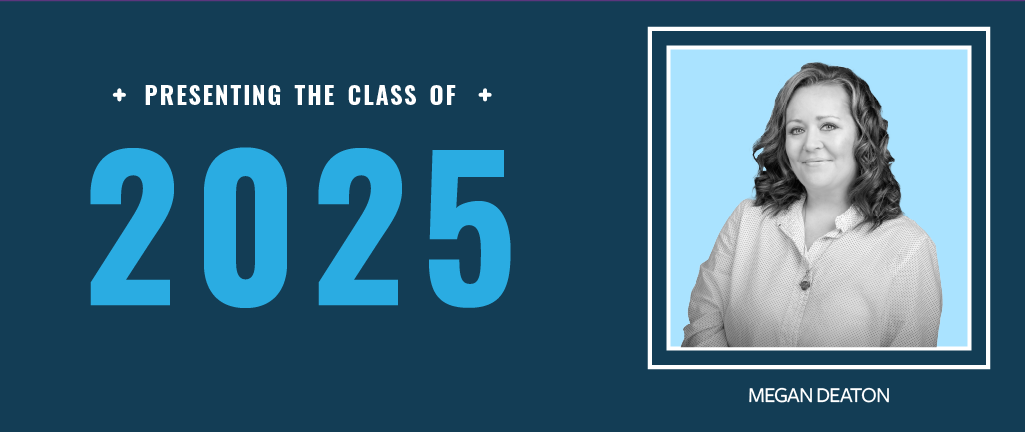
Megan Deaton, Memory Care Program Manager at Community First Solutions, has been honored as a 2025 Memory Care Innovation Award winner by Senior Housing News. This prestigious recognition highlights individuals who are making significant contributions to the field of cognitive care across various sectors, including behavioral health, home health, hospice, senior housing, and skilled nursing.
The Memory Care Innovation Awards program aims to celebrate passionate and innovative professionals who are shaping the future of cognitive care. To be considered for this award, candidates must be nominated by their peers and demonstrate exceptional performance in advocating for individuals living with memory-related disorders, as well as the dedicated professionals who support their well-being.
In an insightful conversation with Senior Housing News, Deaton shared her journey in caring for patients with cognitive needs, her vision for the future of cognitive care, and much more. For further details about the Memory Care Innovation Awards and to view this year’s winners, visit https://innovation.memorycarebusiness.com/.
SHN: How long have you been a part of the memory care, senior housing & senior living industry?
Deaton: I began my career as a State Tested Nursing Assistant (STNA) in 2002. Over the years, I progressed through nursing school to become a Licensed Practical Nurse (LPN), and I have dedicated the last 23 years to senior living.
SHN: What drew you to caring for patients/residents with cognitive care needs?
Deaton: My journey began with my grandfather. Witnessing someone I loved face the challenges of memory loss profoundly impacted me. It opened my heart to the strength and vulnerability inherent in this stage of life. I realized how simple moments of connection—holding a hand, sharing a smile, or playing a familiar song—could bring comfort and spark recognition, even when words were lost.
This experience ignited a passion within me to create similar moments for others, ensuring that everyone living with cognitive changes is treated with dignity, compassion, and purpose. The desire to foster connections continues to drive my work, reminding me that even as memories fade, the heart knows how to feel loved and continue its story.
SHN: If you could change one thing about cognitive care in the memory care, senior housing & senior living industry, what would it be?
Deaton: I would shift the perspective on those living with cognitive changes. Too often, the focus is on what has been lost rather than what remains. I wish our industry would transition from managing symptoms to nurturing experiences, creating environments that honor individuality and bring genuine joy to everyday moments.
Cognitive care should not merely be about safety; it should be about helping individuals feel alive. Every resident deserves opportunities to connect, belong, and be understood beyond words. When we prioritize the person over the diagnosis, we create not just care, but meaning.
SHN: If you had a crystal ball, what do you think will most impact your ability to provide cognitive care in the next five years?
Deaton: I believe the future of cognitive care will hinge on balancing innovation with human connection. While technology will advance, aiding in understanding behaviors and personalizing care, the real impact will come from using it to strengthen relationships rather than replace them.
As a nurse who has walked this journey with my grandfather, I’ve learned that the most powerful tools in care are compassion, creativity, and presence. I envision our industry moving toward sensory-rich, emotionally intelligent environments that honor each individual’s story. The communities that thrive will be those that see beyond the diagnosis, recognizing that every resident has a name, a past, and a story still to tell.
SHN: If you could describe cognitive care in one word, what would it be and why?
Deaton: Human.
Memory care is fundamentally about connection—it’s about people, not charts or schedules. It involves recognizing the human being behind the diagnosis, honoring their story, emotions, and need to belong. Each moment of care is an opportunity to affirm their worth and remind them that they still matter. When we approach memory care with humanity first, compassion, dignity, and joy naturally follow.
SHN: What’s been the biggest lesson you have learned throughout your career?
Deaton: The most significant lesson I’ve learned is that success in this field isn’t measured by titles or outcomes; it’s measured in moments. It’s in the smile of a resident who hasn’t spoken all day, the relief on a family member’s face when they see their loved one at peace, or the pride of a team member who feels they’ve made a difference.
When we take the time to truly see the person in front of us—their history, heart, and humanity—everything changes. Care transforms into connection, tasks become purposeful, and every day becomes an opportunity to restore dignity, one interaction at a time.
SHN: If you could give yourself advice on your first day in the industry, what would it be and why?
Deaton: I would advise myself to slow down and embrace every moment—the joy, heartbreak, laughter, and lessons—because they are all part of something greater than I realize. It’s easy to get caught up in tasks and schedules, but the real magic happens in the in-between moments: when a resident reaches for your hand, when a family member entrusts you with their loved one, or when you witness a spark of recognition in someone’s eyes.
This work will change you in profound ways, teaching you patience, perspective, and the power of presence. Even on the hardest days, love and connection are what truly matter. Someday, you’ll look back and realize that you didn’t just find a career; you found your calling.
SHN: What qualities should all Memory Care Innovation Award winners possess?
Deaton: Anyone recognized for innovation in memory care should lead with heart. It requires compassion, creativity, and a deep understanding that every person we care for has a story worth honoring. Innovation isn’t solely about grand changes or elaborate programs; it’s about the courage to challenge the status quo and the imagination to envision what care can be. The best leaders in this field never lose sight of their purpose, as memory care innovation is ultimately about changing lives.
Megan Deaton, Memory Care Program Manager at Community First Solutions, has been honored as a 2025 Memory Care Innovation Award winner by Senior Housing News. This prestigious recognition highlights individuals who are making significant contributions to the field of cognitive care across various sectors, including behavioral health, home health, hospice, senior housing, and skilled nursing.
The Memory Care Innovation Awards program aims to celebrate passionate and innovative professionals who are shaping the future of cognitive care. To be considered for this award, candidates must be nominated by their peers and demonstrate exceptional performance in advocating for individuals living with memory-related disorders, as well as the dedicated professionals who support their well-being.
In an insightful conversation with Senior Housing News, Deaton shared her journey in caring for patients with cognitive needs, her vision for the future of cognitive care, and much more. For further details about the Memory Care Innovation Awards and to view this year’s winners, visit https://innovation.memorycarebusiness.com/.
SHN: How long have you been a part of the memory care, senior housing & senior living industry?
Deaton: I began my career as a State Tested Nursing Assistant (STNA) in 2002. Over the years, I progressed through nursing school to become a Licensed Practical Nurse (LPN), and I have dedicated the last 23 years to senior living.
SHN: What drew you to caring for patients/residents with cognitive care needs?
Deaton: My journey began with my grandfather. Witnessing someone I loved face the challenges of memory loss profoundly impacted me. It opened my heart to the strength and vulnerability inherent in this stage of life. I realized how simple moments of connection—holding a hand, sharing a smile, or playing a familiar song—could bring comfort and spark recognition, even when words were lost.
This experience ignited a passion within me to create similar moments for others, ensuring that everyone living with cognitive changes is treated with dignity, compassion, and purpose. The desire to foster connections continues to drive my work, reminding me that even as memories fade, the heart knows how to feel loved and continue its story.
SHN: If you could change one thing about cognitive care in the memory care, senior housing & senior living industry, what would it be?
Deaton: I would shift the perspective on those living with cognitive changes. Too often, the focus is on what has been lost rather than what remains. I wish our industry would transition from managing symptoms to nurturing experiences, creating environments that honor individuality and bring genuine joy to everyday moments.
Cognitive care should not merely be about safety; it should be about helping individuals feel alive. Every resident deserves opportunities to connect, belong, and be understood beyond words. When we prioritize the person over the diagnosis, we create not just care, but meaning.
SHN: If you had a crystal ball, what do you think will most impact your ability to provide cognitive care in the next five years?
Deaton: I believe the future of cognitive care will hinge on balancing innovation with human connection. While technology will advance, aiding in understanding behaviors and personalizing care, the real impact will come from using it to strengthen relationships rather than replace them.
As a nurse who has walked this journey with my grandfather, I’ve learned that the most powerful tools in care are compassion, creativity, and presence. I envision our industry moving toward sensory-rich, emotionally intelligent environments that honor each individual’s story. The communities that thrive will be those that see beyond the diagnosis, recognizing that every resident has a name, a past, and a story still to tell.
SHN: If you could describe cognitive care in one word, what would it be and why?
Deaton: Human.
Memory care is fundamentally about connection—it’s about people, not charts or schedules. It involves recognizing the human being behind the diagnosis, honoring their story, emotions, and need to belong. Each moment of care is an opportunity to affirm their worth and remind them that they still matter. When we approach memory care with humanity first, compassion, dignity, and joy naturally follow.
SHN: What’s been the biggest lesson you have learned throughout your career?
Deaton: The most significant lesson I’ve learned is that success in this field isn’t measured by titles or outcomes; it’s measured in moments. It’s in the smile of a resident who hasn’t spoken all day, the relief on a family member’s face when they see their loved one at peace, or the pride of a team member who feels they’ve made a difference.
When we take the time to truly see the person in front of us—their history, heart, and humanity—everything changes. Care transforms into connection, tasks become purposeful, and every day becomes an opportunity to restore dignity, one interaction at a time.
SHN: If you could give yourself advice on your first day in the industry, what would it be and why?
Deaton: I would advise myself to slow down and embrace every moment—the joy, heartbreak, laughter, and lessons—because they are all part of something greater than I realize. It’s easy to get caught up in tasks and schedules, but the real magic happens in the in-between moments: when a resident reaches for your hand, when a family member entrusts you with their loved one, or when you witness a spark of recognition in someone’s eyes.
This work will change you in profound ways, teaching you patience, perspective, and the power of presence. Even on the hardest days, love and connection are what truly matter. Someday, you’ll look back and realize that you didn’t just find a career; you found your calling.
SHN: What qualities should all Memory Care Innovation Award winners possess?
Deaton: Anyone recognized for innovation in memory care should lead with heart. It requires compassion, creativity, and a deep understanding that every person we care for has a story worth honoring. Innovation isn’t solely about grand changes or elaborate programs; it’s about the courage to challenge the status quo and the imagination to envision what care can be. The best leaders in this field never lose sight of their purpose, as memory care innovation is ultimately about changing lives.