Meijer Recalls Water Bottles Due to Contamination Concerns
HHS Secretary Robert F. Kennedy Jr. discusses efforts to phase out petroleum-based synthetic dyes in the nation’s food supply on ‘Jesse Watters Primetime.’
Tens of thousands of gallons of bottled water are currently under recall due to the discovery of a floating black foreign substance. This alarming situation has prompted officials to take swift action to ensure consumer safety.
The recall affects 38,043 gallons of Meijer Steam Distilled Water, packaged in 128 fluid-ounce (1 gallon) plastic jugs with red lids. These products were distributed across several states, including Illinois, Indiana, Kentucky, Ohio, Michigan, and Wisconsin, as noted in a notice from the Food and Drug Administration (FDA).
Meijer Distribution Inc., based in Michigan, distributed the affected products in cases of four. The sell-by date for this water is October 4, 2026, and the lot code associated with the recall is 39-222 #3.
45 SICKENED WITH SALMONELLA IN CONNECTION WITH RECALL OF SUPER GREENS DIET SUPPLEMENT POWDER
Meijer voluntarily initiated this recall in November 2025, and officials are still investigating the matter. However, the company has not provided additional details regarding how the foreign object was discovered or what the substance actually is. There have been no reported incidents related to this recall as of now.

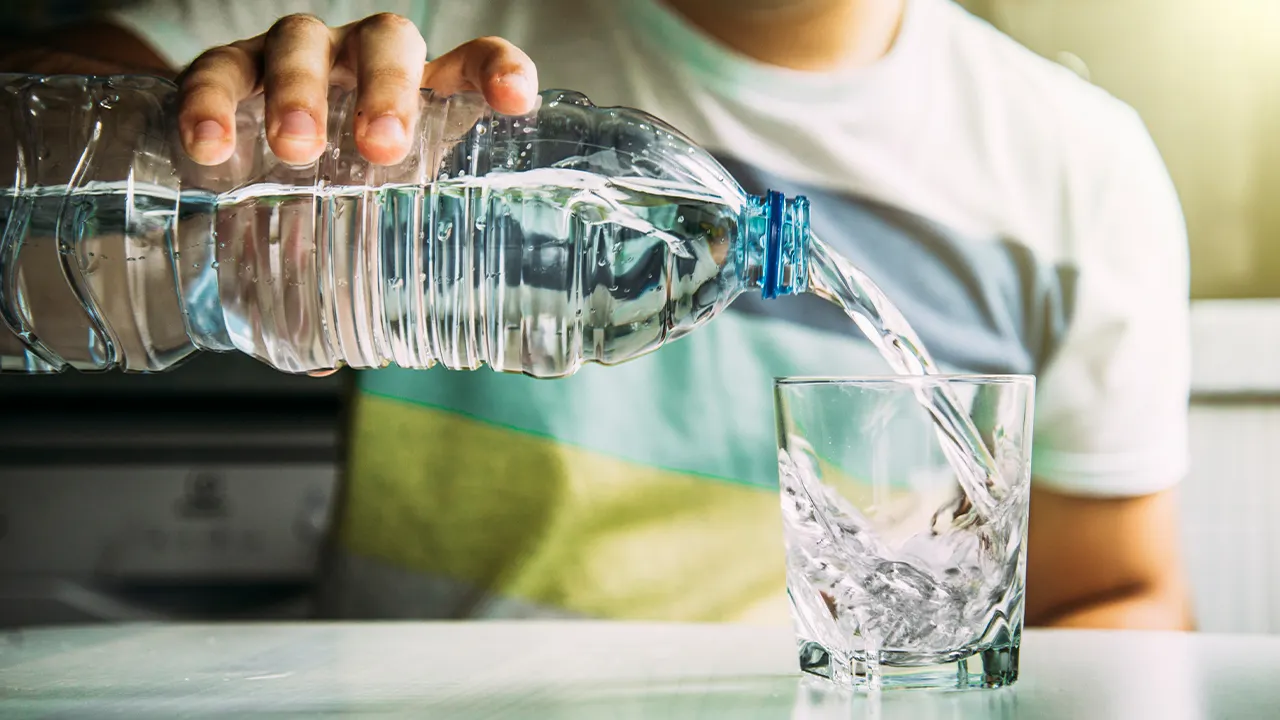
Tens of thousands of gallons of water were recalled after a foreign substance was found. (iStock)
In addition, the FDA has upgraded the recall of cheese products to the highest danger level due to listeria-causing bacteria.
Interestingly, the FDA has not assigned a recall classification for the Meijer water recall, which typically indicates the severity of the health risk to consumers. There are three levels of classification:
- Class I: This indicates a reasonable probability that the use of or exposure to the product will cause serious adverse health consequences or even death.
- Class II: This classification suggests that the FDA believes the use of or exposure to the product may cause temporary or medically reversible adverse health consequences, or where the probability of serious adverse health consequences is remote.
- Class III: This level indicates that the FDA believes the use of or exposure to the product is not likely to cause adverse health consequences.
HHS Secretary Robert F. Kennedy Jr. discusses efforts to phase out petroleum-based synthetic dyes in the nation’s food supply on ‘Jesse Watters Primetime.’
Tens of thousands of gallons of bottled water are currently under recall due to the discovery of a floating black foreign substance. This alarming situation has prompted officials to take swift action to ensure consumer safety.
The recall affects 38,043 gallons of Meijer Steam Distilled Water, packaged in 128 fluid-ounce (1 gallon) plastic jugs with red lids. These products were distributed across several states, including Illinois, Indiana, Kentucky, Ohio, Michigan, and Wisconsin, as noted in a notice from the Food and Drug Administration (FDA).
Meijer Distribution Inc., based in Michigan, distributed the affected products in cases of four. The sell-by date for this water is October 4, 2026, and the lot code associated with the recall is 39-222 #3.
45 SICKENED WITH SALMONELLA IN CONNECTION WITH RECALL OF SUPER GREENS DIET SUPPLEMENT POWDER
Meijer voluntarily initiated this recall in November 2025, and officials are still investigating the matter. However, the company has not provided additional details regarding how the foreign object was discovered or what the substance actually is. There have been no reported incidents related to this recall as of now.
Tens of thousands of gallons of water were recalled after a foreign substance was found. (iStock)
In addition, the FDA has upgraded the recall of cheese products to the highest danger level due to listeria-causing bacteria.
Interestingly, the FDA has not assigned a recall classification for the Meijer water recall, which typically indicates the severity of the health risk to consumers. There are three levels of classification:
- Class I: This indicates a reasonable probability that the use of or exposure to the product will cause serious adverse health consequences or even death.
- Class II: This classification suggests that the FDA believes the use of or exposure to the product may cause temporary or medically reversible adverse health consequences, or where the probability of serious adverse health consequences is remote.
- Class III: This level indicates that the FDA believes the use of or exposure to the product is not likely to cause adverse health consequences.