Moderna and Merck Achieve Milestone in Melanoma Cancer Vaccine Trial
Moderna CEO Stéphane Bancel discusses positive cancer vaccine trial results and the impact GLP-1 drugs on ‘Mornings with Maria.’
A breakthrough personalized mRNA cancer vaccine is making waves in the medical community. This innovative treatment trains the immune system to target unique tumor mutations in patients, and recent five-year trial data reveals that the risk of recurrence or death in melanoma patients was reduced by nearly 50% when combined with Merck’s Keytruda. Stéphane Bancel, CEO of Moderna, shared these promising results during an interview with FOX Business on Wednesday.
“The results are really exciting,” Bancel stated on FOX Business’ “Mornings with Maria.”
“We observed a significant improvement in recurrence-free survival, meaning patients are not succumbing to the disease or experiencing a relapse. At the five-year mark, we noted a 50% improvement compared to those receiving Keytruda alone, which has already saved countless lives,” he added.
COMMON VITAMIN SHOWN TO SLASH SKIN CANCER RISK IN SOME GROUPS, STUDY SUGGESTS
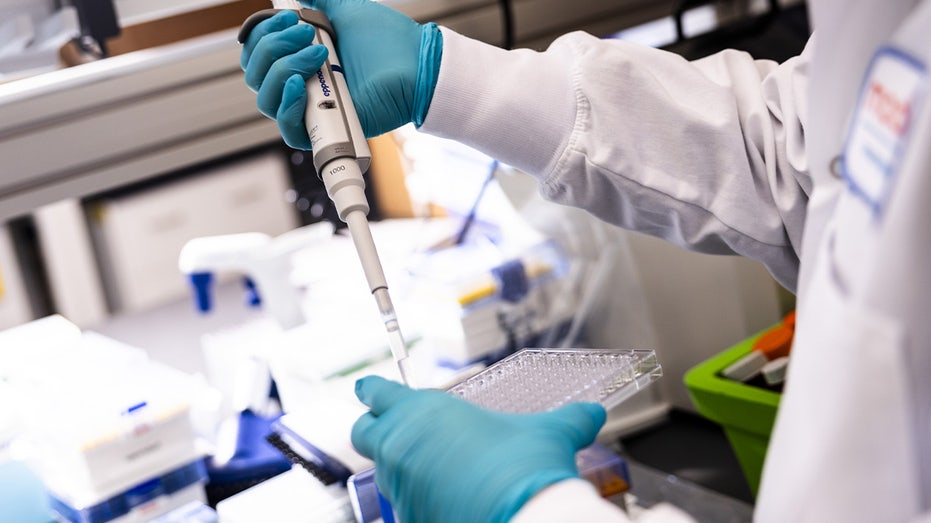
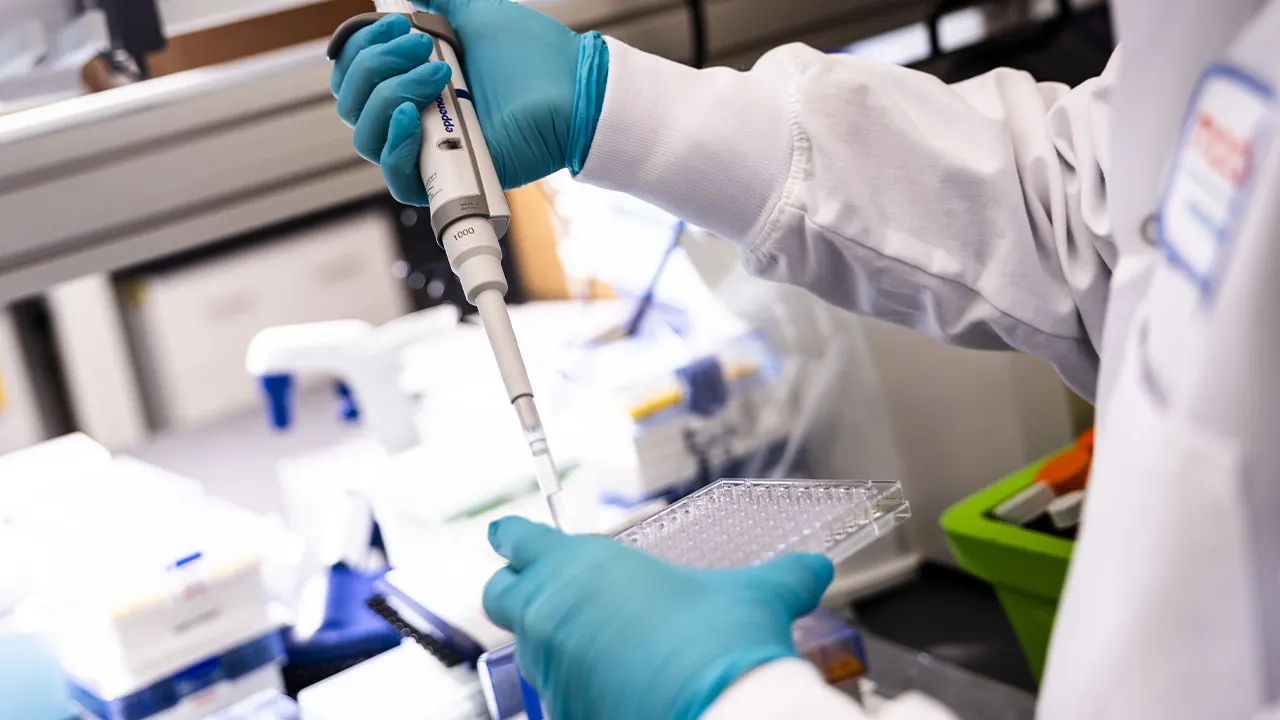
An assistant conducts cancer vaccine research in the lab at the Moderna Inc. headquarters in Cambridge, Mass., on Tuesday, Mar. 26, 2024. (Adam Glanzman/Bloomberg via Getty Images / Getty Images)
Bancel expressed optimism about the future of this treatment, stating, “This is very meaningful for patients. We are eagerly awaiting the phase three study results for this medicine, and if they are positive, we plan to file quickly with the FDA to make this available to the American public and help them combat their disease.”
Melanoma is recognized as the deadliest form of skin cancer, with the American Cancer Society estimating that approximately 8,500 Americans will die from this disease in 2026.
NUCLEAR WASTE BEING TRANSFORMED INTO PROMISING CANCER TREATMENT AT FORMER MANHATTAN PROJECT SITE
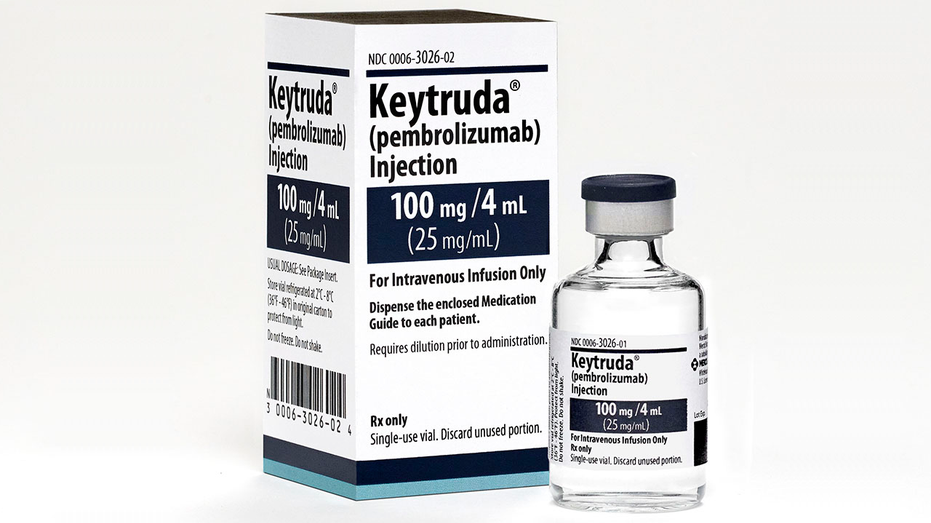
KEYTRUDA is a prescription medicine used to treat a kind of skin cancer called melanoma. This image shows a Keytruda 100mg/4mL vial and carton. (Merck)
Bancel elaborated on the individualized nature of intismeran autogene (formerly known as mRNA-4157), stating that Moderna can create a tailored treatment for each patient based on their specific tumor mutations. This allows the immune system to more effectively target cancer cells.
“If you and I were diagnosed on the same day by the same doctor with skin cancer, Moderna would develop a different medicine for your cancer and a different one for mine,” he explained to Maria Bartiromo, noting that the personalized vaccine can be manufactured in approximately 30 days.
Importantly, Bancel mentioned that the treatment does not present any additional safety risks or side effects compared to Keytruda alone.
GET FOX BUSINESS ON THE GO BY CLICKING HERE
FOX Business’ Geri Willis and ‘The Big Money Show’ panel discuss the application of artificial intelligence in the medical field and people flocking to the technology for health information.
“You see a huge benefit for the patients and their families with no downside of side effects, which is why this is so exciting,” he remarked.
Beyond melanoma, Moderna’s collaboration with Merck is expanding, with nine ongoing studies examining the personalized mRNA therapy in various cancers, including kidney, bladder, and gastric cancer, among others.
Moderna CEO Stéphane Bancel discusses positive cancer vaccine trial results and the impact GLP-1 drugs on ‘Mornings with Maria.’
A breakthrough personalized mRNA cancer vaccine is making waves in the medical community. This innovative treatment trains the immune system to target unique tumor mutations in patients, and recent five-year trial data reveals that the risk of recurrence or death in melanoma patients was reduced by nearly 50% when combined with Merck’s Keytruda. Stéphane Bancel, CEO of Moderna, shared these promising results during an interview with FOX Business on Wednesday.
“The results are really exciting,” Bancel stated on FOX Business’ “Mornings with Maria.”
“We observed a significant improvement in recurrence-free survival, meaning patients are not succumbing to the disease or experiencing a relapse. At the five-year mark, we noted a 50% improvement compared to those receiving Keytruda alone, which has already saved countless lives,” he added.
COMMON VITAMIN SHOWN TO SLASH SKIN CANCER RISK IN SOME GROUPS, STUDY SUGGESTS
An assistant conducts cancer vaccine research in the lab at the Moderna Inc. headquarters in Cambridge, Mass., on Tuesday, Mar. 26, 2024. (Adam Glanzman/Bloomberg via Getty Images / Getty Images)
Bancel expressed optimism about the future of this treatment, stating, “This is very meaningful for patients. We are eagerly awaiting the phase three study results for this medicine, and if they are positive, we plan to file quickly with the FDA to make this available to the American public and help them combat their disease.”
Melanoma is recognized as the deadliest form of skin cancer, with the American Cancer Society estimating that approximately 8,500 Americans will die from this disease in 2026.
NUCLEAR WASTE BEING TRANSFORMED INTO PROMISING CANCER TREATMENT AT FORMER MANHATTAN PROJECT SITE
KEYTRUDA is a prescription medicine used to treat a kind of skin cancer called melanoma. This image shows a Keytruda 100mg/4mL vial and carton. (Merck)
Bancel elaborated on the individualized nature of intismeran autogene (formerly known as mRNA-4157), stating that Moderna can create a tailored treatment for each patient based on their specific tumor mutations. This allows the immune system to more effectively target cancer cells.
“If you and I were diagnosed on the same day by the same doctor with skin cancer, Moderna would develop a different medicine for your cancer and a different one for mine,” he explained to Maria Bartiromo, noting that the personalized vaccine can be manufactured in approximately 30 days.
Importantly, Bancel mentioned that the treatment does not present any additional safety risks or side effects compared to Keytruda alone.
GET FOX BUSINESS ON THE GO BY CLICKING HERE
FOX Business’ Geri Willis and ‘The Big Money Show’ panel discuss the application of artificial intelligence in the medical field and people flocking to the technology for health information.
“You see a huge benefit for the patients and their families with no downside of side effects, which is why this is so exciting,” he remarked.
Beyond melanoma, Moderna’s collaboration with Merck is expanding, with nine ongoing studies examining the personalized mRNA therapy in various cancers, including kidney, bladder, and gastric cancer, among others.