Mortgage Rates Over 6% Surpass Those Below 3% for the First Time
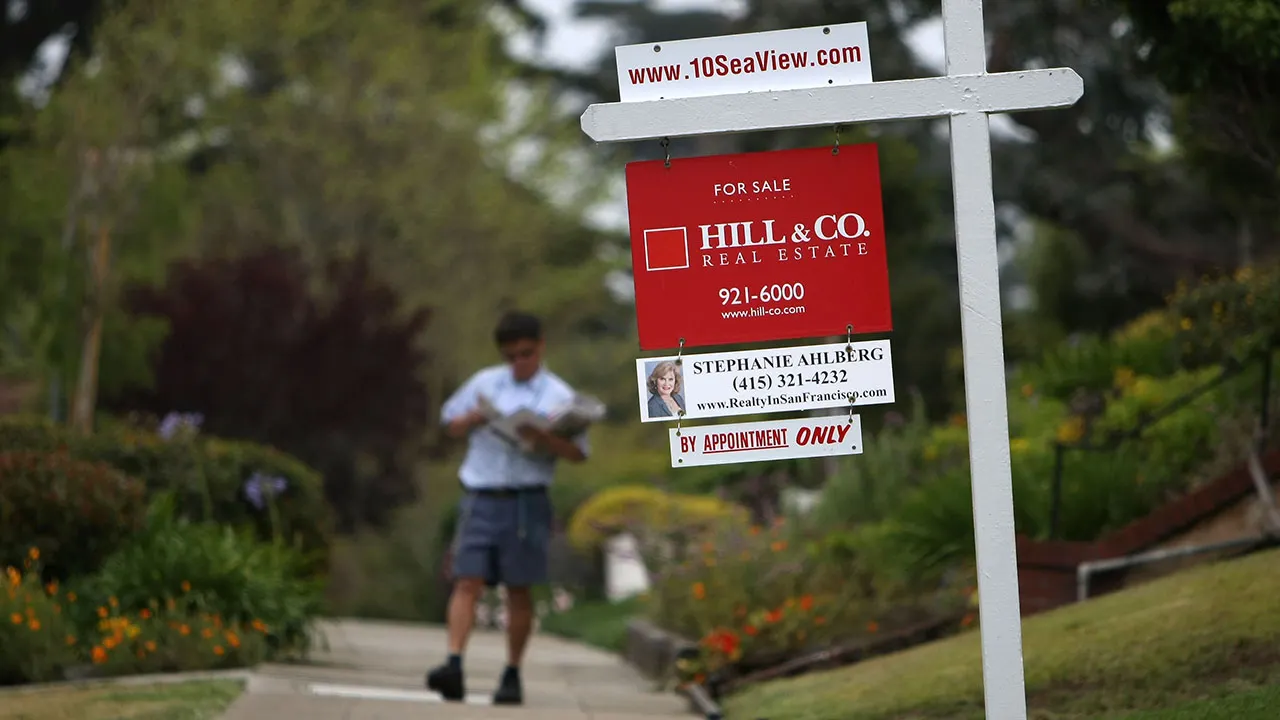
American Real Estate Association co-founder Jason Haber unpacks the state of the housing market and assesses Redfin’s announcement of a ‘great housing reset’ coming in 2026 on ‘The Claman Countdown.’
In a significant shift, the number of homeowners with mortgages above 6% has now surpassed those with borrowing rates under 3%. This trend is highlighted in Realtor.com’s latest report on the lock-in effect, which has been a defining characteristic of the current housing market.
The last time mortgage rates dipped below the 3% mark was between July 2020 and September 2021. Since then, rates have not fallen below this threshold since 1971. As of September 2022, rates have consistently remained above 6%, effectively locking many potential sellers into their current mortgages and sidelining prospective buyers. This situation has contributed to a constrained U.S. housing supply, leading to elevated home prices and exacerbating affordability challenges.
However, this dynamic is beginning to shift. According to Realtor.com senior economist Hannah Jones, by the third quarter of 2025, only 20% of outstanding mortgages had an interest rate below 3%. In contrast, 21.2% of mortgages had rates exceeding 6% during the same period.
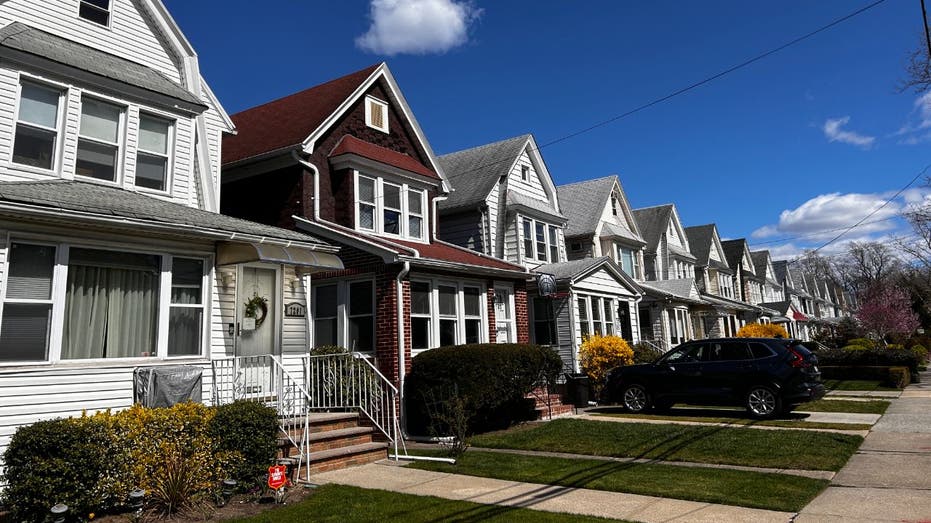
The last time rates were under the 3% threshold was between July 2020 and September 2021. (Lindsey Nicholson/UCG/Universal Images Group via Getty Images)
Currently, about 31.5% of outstanding mortgages carry interest rates between 3% and 4%, while 17.1% fall within the 4% to 5% range. Additionally, 10.2% of mortgages are between 5% and 6%. This data illustrates how homeowners are increasingly opting for higher-rate mortgages rather than holding onto older loans with ultra-low rates, gradually diminishing the pandemic-era “lock-in effect.”
Jones notes that this rebalancing indicates that some households, which had previously delayed moving in anticipation of lower rates, are now seizing the opportunity to act as rates soften. This shift may have allowed some buyers to lock in or refinance below 6%, thereby increasing the share of mortgages in the 5%–6% range.
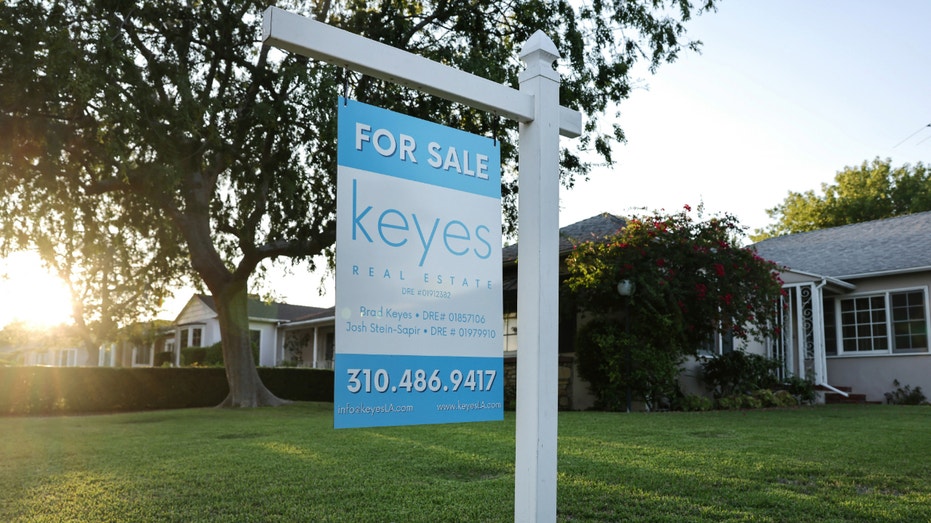
About 31.5% of outstanding mortgages carry interest rates between 3% and 4%. (Mario Tama/Getty Images)
Despite these changes, there remains a significant distance to cover before achieving a meaningful increase in housing supply. Jones emphasizes that approximately 80% of outstanding loans still carry below-market rates, which means that homeowners would face considerably higher monthly payments if they sold and bought again. This reluctance to move continues to impact the market.
“Until a much larger proportion of homeowners cycle out of ultra-low-rate loans or rates materially decline, the market will continue to feel the impact of this prolonged lock-in,” Jones stated.
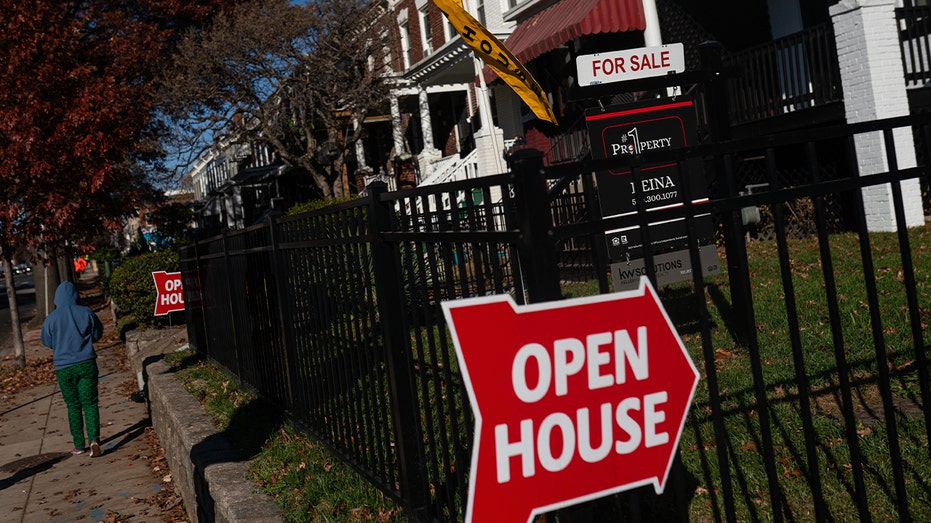
An “Open House” sign outside of a home in Washington, DC, US, on Sunday, Nov. 19, 2023. (Nathan Howard/Bloomberg)
On a positive note, the market is showing signs of improvement, with housing supply gradually increasing over the past year, which is beginning to alleviate the affordability crunch.
GET FOX BUSINESS ON THE GO BY CLICKING HERE
In fact, the additional supply has shifted the national market into “balanced” territory, with some local markets being classified as a “buyer’s market,” according to Jones. She attributes this positive trend to new-construction inventory and the share of new homes exceeding pre-pandemic levels, which has helped fill the existing gap.
American Real Estate Association co-founder Jason Haber unpacks the state of the housing market and assesses Redfin’s announcement of a ‘great housing reset’ coming in 2026 on ‘The Claman Countdown.’
In a significant shift, the number of homeowners with mortgages above 6% has now surpassed those with borrowing rates under 3%. This trend is highlighted in Realtor.com’s latest report on the lock-in effect, which has been a defining characteristic of the current housing market.
The last time mortgage rates dipped below the 3% mark was between July 2020 and September 2021. Since then, rates have not fallen below this threshold since 1971. As of September 2022, rates have consistently remained above 6%, effectively locking many potential sellers into their current mortgages and sidelining prospective buyers. This situation has contributed to a constrained U.S. housing supply, leading to elevated home prices and exacerbating affordability challenges.
However, this dynamic is beginning to shift. According to Realtor.com senior economist Hannah Jones, by the third quarter of 2025, only 20% of outstanding mortgages had an interest rate below 3%. In contrast, 21.2% of mortgages had rates exceeding 6% during the same period.
The last time rates were under the 3% threshold was between July 2020 and September 2021. (Lindsey Nicholson/UCG/Universal Images Group via Getty Images)
Currently, about 31.5% of outstanding mortgages carry interest rates between 3% and 4%, while 17.1% fall within the 4% to 5% range. Additionally, 10.2% of mortgages are between 5% and 6%. This data illustrates how homeowners are increasingly opting for higher-rate mortgages rather than holding onto older loans with ultra-low rates, gradually diminishing the pandemic-era “lock-in effect.”
Jones notes that this rebalancing indicates that some households, which had previously delayed moving in anticipation of lower rates, are now seizing the opportunity to act as rates soften. This shift may have allowed some buyers to lock in or refinance below 6%, thereby increasing the share of mortgages in the 5%–6% range.
About 31.5% of outstanding mortgages carry interest rates between 3% and 4%. (Mario Tama/Getty Images)
Despite these changes, there remains a significant distance to cover before achieving a meaningful increase in housing supply. Jones emphasizes that approximately 80% of outstanding loans still carry below-market rates, which means that homeowners would face considerably higher monthly payments if they sold and bought again. This reluctance to move continues to impact the market.
“Until a much larger proportion of homeowners cycle out of ultra-low-rate loans or rates materially decline, the market will continue to feel the impact of this prolonged lock-in,” Jones stated.
An “Open House” sign outside of a home in Washington, DC, US, on Sunday, Nov. 19, 2023. (Nathan Howard/Bloomberg)
On a positive note, the market is showing signs of improvement, with housing supply gradually increasing over the past year, which is beginning to alleviate the affordability crunch.
GET FOX BUSINESS ON THE GO BY CLICKING HERE
In fact, the additional supply has shifted the national market into “balanced” territory, with some local markets being classified as a “buyer’s market,” according to Jones. She attributes this positive trend to new-construction inventory and the share of new homes exceeding pre-pandemic levels, which has helped fill the existing gap.