Mortgage Rates Reach 2025 Low, Providing Relief for Homebuyers in Search of Loans
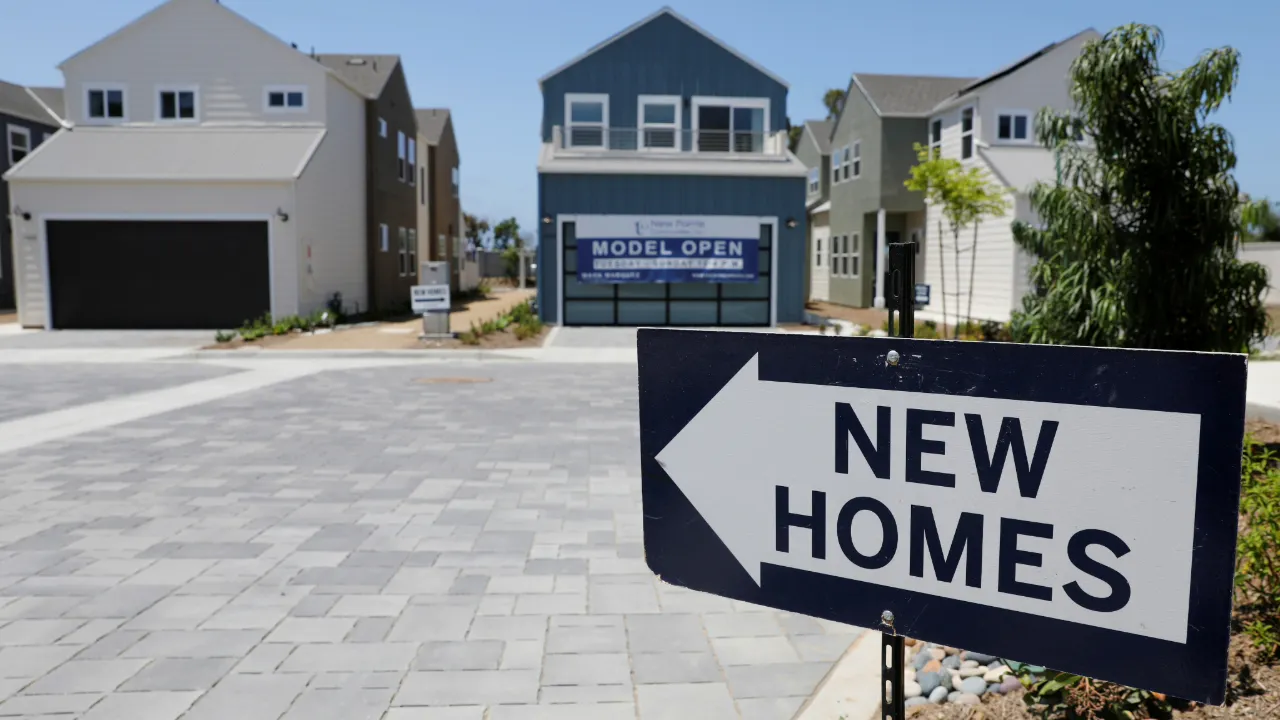
Sotheby’s International Realty broker Jenna Stauffer joins ‘Mornings with Maria’ to break down why housing affordability will remain a top issue in 2026 as mortgage rates stay elevated and inventory slowly improves.
As we approach 2026, homebuyers can find a glimmer of hope with mortgage rates dipping to their lowest levels of 2025 in the year’s final report. This shift is crucial for those looking to navigate the housing market.
According to Freddie Mac’s latest Primary Mortgage Market Survey, released on Wednesday, the average rate on the benchmark 30-year fixed mortgage has decreased to 6.15%, down from last week’s 6.18%. At the beginning of the year, the average rate hovered around 7%.
Sam Khater, Freddie Mac’s chief economist, remarked, “After starting the year close to 7%, the average 30-year fixed-rate mortgage moved to its lowest level in 2025 this week, an encouraging sign for potential homebuyers heading into the new year.”
While mortgage rates are not directly influenced by the Federal Reserve’s interest rate decisions, they closely track the 10-year Treasury yield. As of Wednesday afternoon, the 10-year yield was around 4.14%, just ahead of the New Year’s holiday.
In a positive sign for the housing market, the National Association of Realtors reported a 3.3% increase in home sales for November, with gains across all U.S. regions: Northeast, Midwest, South, and West. This trend indicates a gradual improvement in the market.
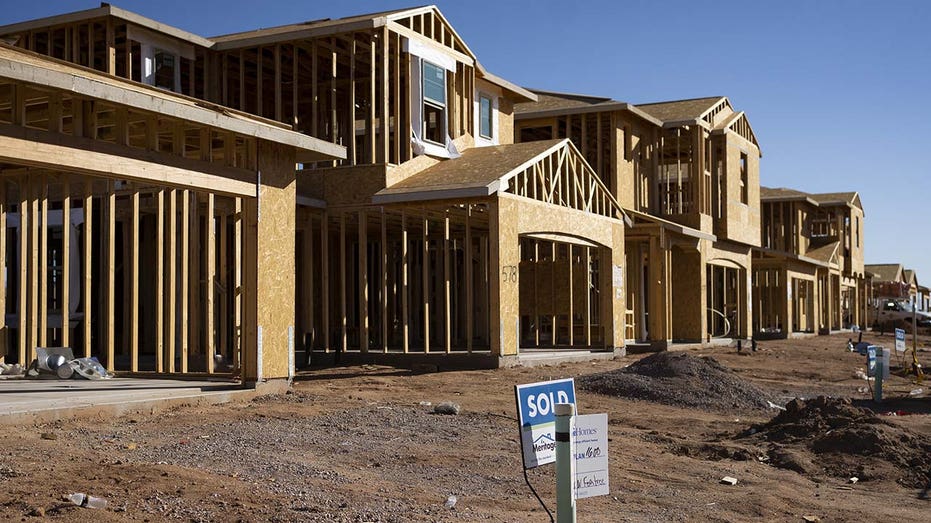
A “Sold” sign outside a new home under construction in Tucson, Arizona, U.S., on Tuesday, Feb. 22, 2022. (Photographer: Rebecca Noble/Bloomberg via Getty Images / Getty Images)
Lower borrowing costs may enhance housing affordability, a pressing issue for the economy. Recent metrics indicate improvements under President Donald Trump’s administration. Earlier this month, the Bureau of Economic Analysis released its initial estimate of third-quarter GDP, revealing a growth rate of 4.3% for the three-month period encompassing July, August, and September. This figure surpassed economists’ expectations of 3.3% growth.
HOME DELISTINGS SURGE AS SELLERS STRUGGLE TO GET THEIR PRICE
Inflation, while still above the Federal Reserve’s 2% target, is showing signs of decline. The Bureau of Labor Statistics reported that the consumer price index rose by 0.2% in November compared to the previous month, with a year-over-year increase of 2.7%. Both figures fell short of economists’ projections of a 0.3% monthly rise and a 3.1% annual increase.
FED MINUTES SHOW A SHARPLY DIVIDED CENTRAL BANK
However, the job market remains unpredictable, with hiring slowing across various sectors. In November, employers added 64,000 jobs, while the unemployment rate rose to 4.6%, the highest level since September 2021.
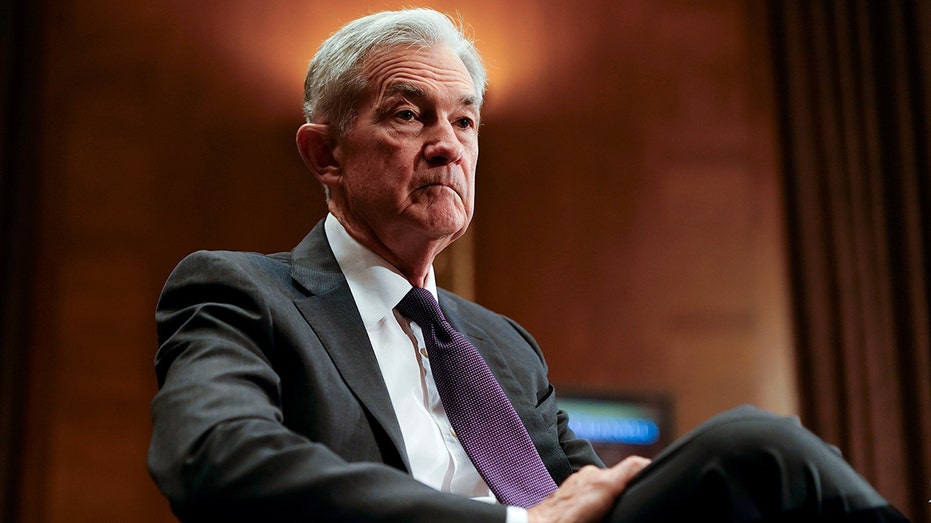
Federal Reserve Chairman Jerome Powell testifies before the Senate Committee on Banking, Housing, and Urban Affairs during a hearing to “examine the Semiannual Monetary Policy Report to the Congress” on Capitol Hill on June 25, 2025 in Washington, D.C. (Kent Nishimura/Getty Images / Getty Images)
The minutes from the Federal Reserve’s December meeting revealed a divided committee, with two voting members dissenting against leaving rates unchanged and one advocating for a larger 50 basis point cut. Six officials expressed opposition to a cut, while “most participants” favored a reduction. Some policymakers argued that a cut would stabilize the labor market amid a slowdown in job creation, while others were concerned about stalled progress towards the 2% inflation objective.
At their December meeting, the Fed cut rates by 25 basis points for the third consecutive time, bringing the benchmark federal funds rate down to a range of 3.5% to 3.75%. This decision was made against the backdrop of a slowing labor market and inflation remaining elevated above the Fed’s target, posing risks to both sides of the central bank’s dual mandate.
This week, Trump criticized Chairman Powell, labeling him a “fool” for the central bank’s headquarters renovations exceeding budget. Trump has indicated plans to appoint a new Fed chair to replace Powell in January.
Sotheby’s International Realty broker Jenna Stauffer joins ‘Mornings with Maria’ to break down why housing affordability will remain a top issue in 2026 as mortgage rates stay elevated and inventory slowly improves.
As we approach 2026, homebuyers can find a glimmer of hope with mortgage rates dipping to their lowest levels of 2025 in the year’s final report. This shift is crucial for those looking to navigate the housing market.
According to Freddie Mac’s latest Primary Mortgage Market Survey, released on Wednesday, the average rate on the benchmark 30-year fixed mortgage has decreased to 6.15%, down from last week’s 6.18%. At the beginning of the year, the average rate hovered around 7%.
Sam Khater, Freddie Mac’s chief economist, remarked, “After starting the year close to 7%, the average 30-year fixed-rate mortgage moved to its lowest level in 2025 this week, an encouraging sign for potential homebuyers heading into the new year.”
While mortgage rates are not directly influenced by the Federal Reserve’s interest rate decisions, they closely track the 10-year Treasury yield. As of Wednesday afternoon, the 10-year yield was around 4.14%, just ahead of the New Year’s holiday.
In a positive sign for the housing market, the National Association of Realtors reported a 3.3% increase in home sales for November, with gains across all U.S. regions: Northeast, Midwest, South, and West. This trend indicates a gradual improvement in the market.
A “Sold” sign outside a new home under construction in Tucson, Arizona, U.S., on Tuesday, Feb. 22, 2022. (Photographer: Rebecca Noble/Bloomberg via Getty Images / Getty Images)
Lower borrowing costs may enhance housing affordability, a pressing issue for the economy. Recent metrics indicate improvements under President Donald Trump’s administration. Earlier this month, the Bureau of Economic Analysis released its initial estimate of third-quarter GDP, revealing a growth rate of 4.3% for the three-month period encompassing July, August, and September. This figure surpassed economists’ expectations of 3.3% growth.
HOME DELISTINGS SURGE AS SELLERS STRUGGLE TO GET THEIR PRICE
Inflation, while still above the Federal Reserve’s 2% target, is showing signs of decline. The Bureau of Labor Statistics reported that the consumer price index rose by 0.2% in November compared to the previous month, with a year-over-year increase of 2.7%. Both figures fell short of economists’ projections of a 0.3% monthly rise and a 3.1% annual increase.
FED MINUTES SHOW A SHARPLY DIVIDED CENTRAL BANK
However, the job market remains unpredictable, with hiring slowing across various sectors. In November, employers added 64,000 jobs, while the unemployment rate rose to 4.6%, the highest level since September 2021.
Federal Reserve Chairman Jerome Powell testifies before the Senate Committee on Banking, Housing, and Urban Affairs during a hearing to “examine the Semiannual Monetary Policy Report to the Congress” on Capitol Hill on June 25, 2025 in Washington, D.C. (Kent Nishimura/Getty Images / Getty Images)
The minutes from the Federal Reserve’s December meeting revealed a divided committee, with two voting members dissenting against leaving rates unchanged and one advocating for a larger 50 basis point cut. Six officials expressed opposition to a cut, while “most participants” favored a reduction. Some policymakers argued that a cut would stabilize the labor market amid a slowdown in job creation, while others were concerned about stalled progress towards the 2% inflation objective.
At their December meeting, the Fed cut rates by 25 basis points for the third consecutive time, bringing the benchmark federal funds rate down to a range of 3.5% to 3.75%. This decision was made against the backdrop of a slowing labor market and inflation remaining elevated above the Fed’s target, posing risks to both sides of the central bank’s dual mandate.
This week, Trump criticized Chairman Powell, labeling him a “fool” for the central bank’s headquarters renovations exceeding budget. Trump has indicated plans to appoint a new Fed chair to replace Powell in January.